Share this:





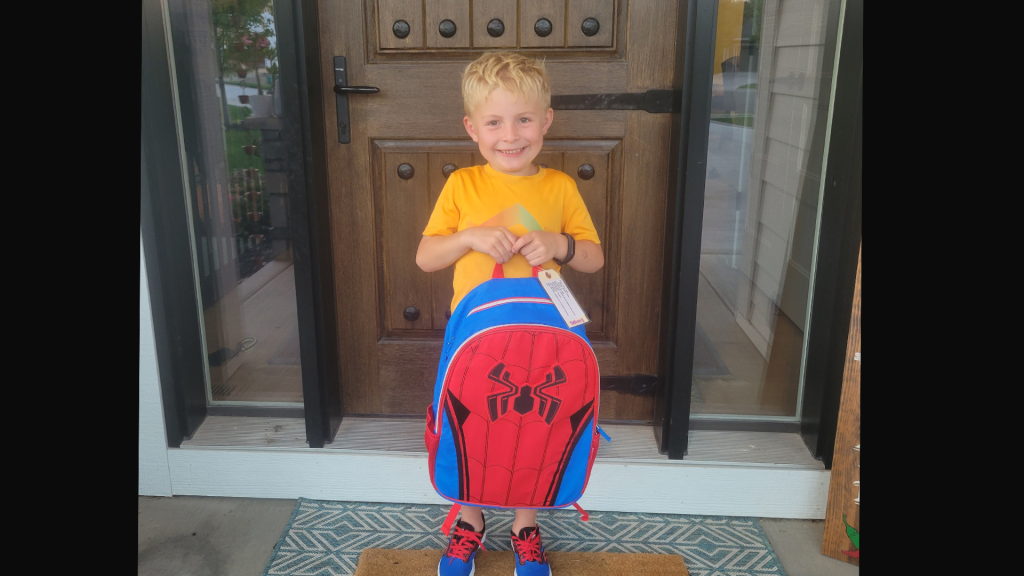
Evenings in the Staal household often carried a delicate unpredictability. After a full school day — and as Ethan's medication began to wear off — the shift from playful to overwhelmed could happen in seconds. Ethan has attention-deficit/hyperactivity disorder (ADHD), a condition that can make emotional regulation especially challenging.
Ethan's feelings sometimes escalated faster than he could manage. In those difficult moments, his parents say, he became "not accessible" — often needing close to an hour before they could help guide him back to calm.

Their search for specialized care led them to Mayo Clinic, where child and adolescent psychiatrist Magdalena Romanowicz, M.D., introduced the family to Parent-Child Interaction Therapy. She also invited them to participate in a first-of-its-kind study powered by a smartwatch and artificial intelligence (AI).
The smartwatch technology was designed to help anticipate when a child was nearing emotional overload, giving parents a chance to step in and defuse the situation before it escalated. For the Staals, the technology offered a clear sense of what was happening inside Ethan just early enough to help him through it.
"It was a game-changer," Jared Staal says. "We still have challenges, but now we see them coming and we see them through a whole different lens — we didn't always know how to support him in those moments, and now we do."
A window into the moments before escalation
During the four-month study, Ethan wore a smartwatch that tracked his heart rate, movement and sleep. When the system detected patterns that suggested his stress was building, it sent an alert to Sarah or Jared's phone.
"It gave us a warning that something was coming," Sarah says. Instead of reacting at the peak of Ethan's distress, they could intervene earlier with calm reassurance, redirection and other techniques they learned in their 12 Parent-Child Interaction Therapy sessions.
"We could help him recover in 5 to 10 minutes," she says. "And we could have our evenings again as a family."
What the study revealed
The Staals' experience reflects the study's overall findings. In the clinical trial, smartwatch alerts prompted parents to respond within four seconds on average to early signs of escalating stress. Their children's severe tantrums were shortened by about 11 minutes — roughly half the duration seen with standard therapy alone.
The broader context underscores the need for new approaches. Nearly 1 in 5 U.S. children lives with a mental, behavioral or emotional health disorder, yet the number of pediatric mental health specialists has not kept pace with demand. Smartwatch technology represents one possible way to extend support into the home by helping families recognize early changes in a child's stress levels.
Across a shared wall

The technology behind the alerts emerged from an unexpected spark.
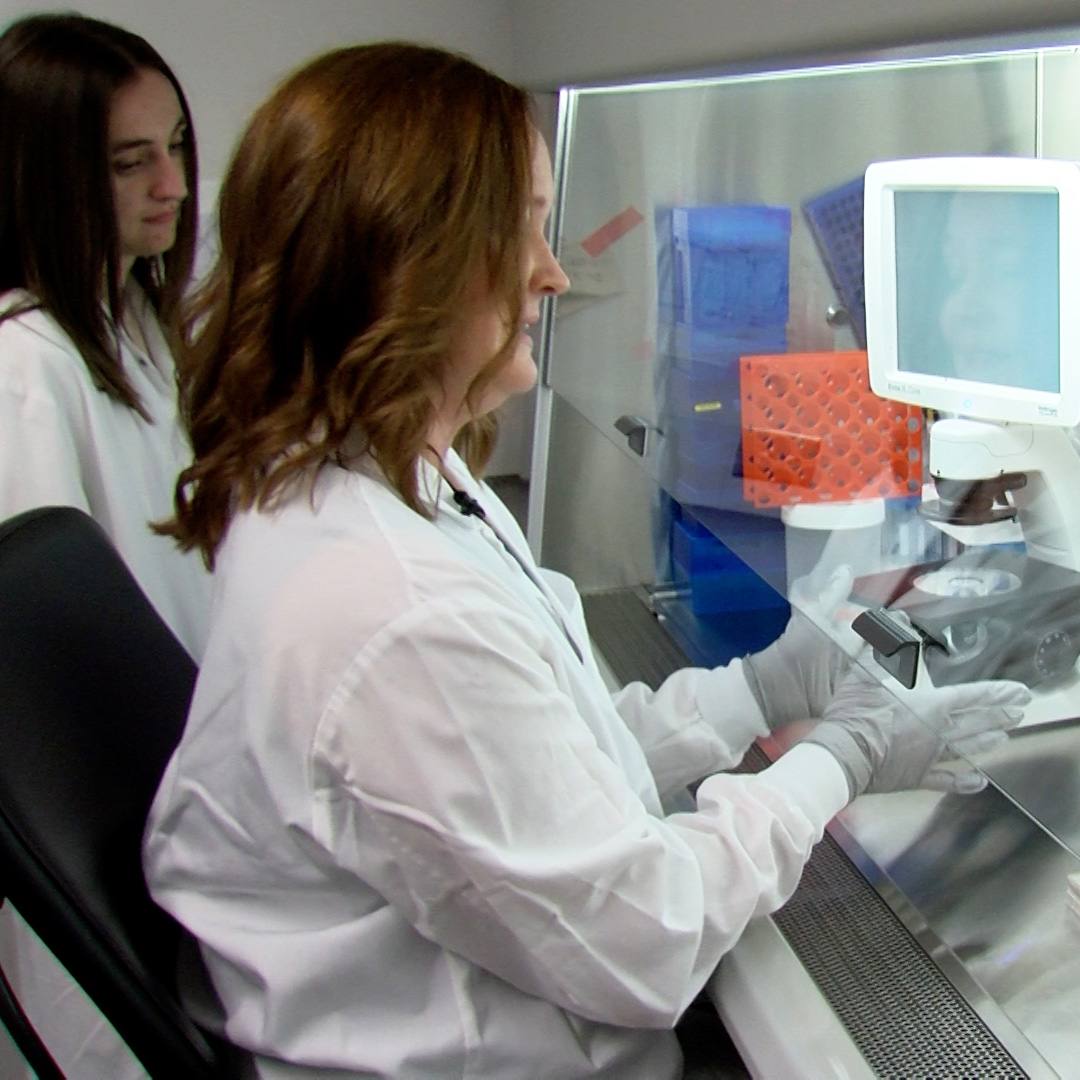
Electrical and computer engineer Arjun Athreya, Ph.D., worked just steps from the Children's Hospital Psychiatry Unit at Mayo Clinic — a single shared wall separating his world of algorithms and data from the clinical rooms where children and their families experienced some of their hardest moments.
Passing conversations with the psychiatrists next door became more formal collaborations as the team began to ask: What happens inside a child's body in the minutes before an outburst? And could those invisible shifts be measured?
With support from Julia Shekunov, M.D., Medical Director of the inpatient unit, and help from the nursing staff, the team launched a small pilot to explore those questions.
From that work, Dr. Athreya and his team developed an AI model designed to recognize the earliest physiological changes that precede escalating behavior. That work became the foundation for the smartwatch system now being explored with families.
A family's early role in the research
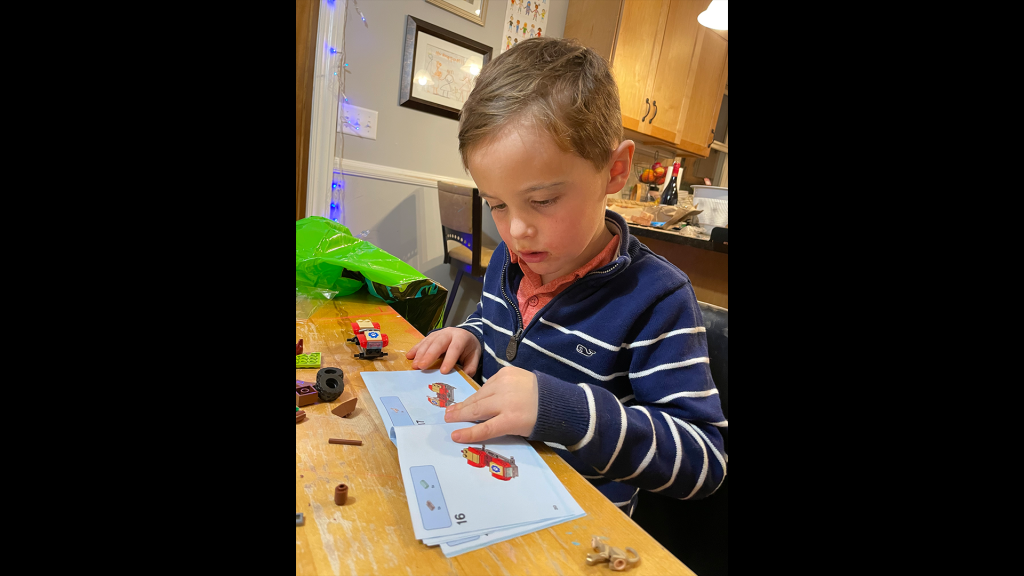
One of the first families to try out the smartwatch system was Sawra and Matthew Maurer and their son, Theo.
For the Maurers, the challenges with Theo were mounting. Calls from kindergarten had become a near-weekly routine: "Theo is having a hard time. Could you come get him?" Around that same time, Theo was diagnosed with ADHD, which helped explain the emotional dysregulation and sudden behavioral shifts they were seeing.
Theo could slide from being engaged in an activity to overwhelmed in an instant — sweeping crayons off tables or having severe tantrums that sometimes required teachers to guide classmates out of the room. "It was a very difficult year," Sawra recalls.
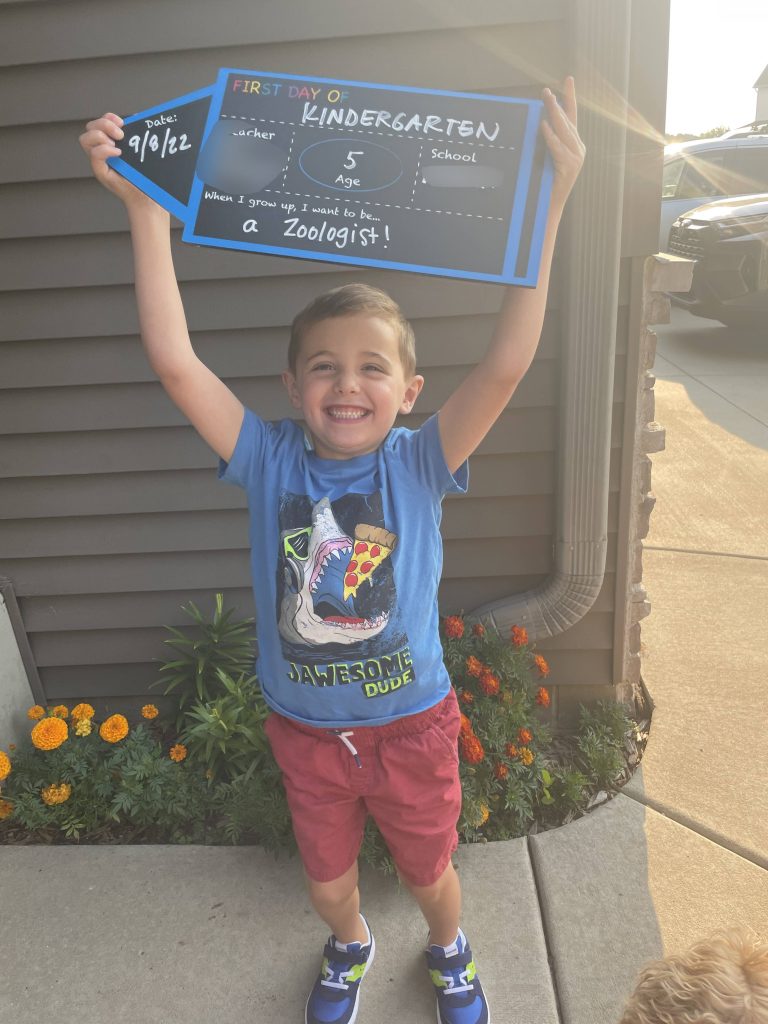
Enrolling in the early smartwatch feasibility study gave her new insight.
During the study, Theo wore a watch each day that collected his physiological data — heart rate, movement, sleep patterns — while the family logged episodes in an AI-powered app.
That data helped researchers understand what Theo's body was doing in the moments before he became dysregulated. By matching those physiological signals with what was happening behaviorally, the team could begin identifying the subtle shifts that happen as a child moves from calm toward distress and then back to calm.
Theo's data helped teach the system what those early changes look like in real-world settings.
Sawra didn't receive alerts in that early phase, but she could see the information the watch recorded. "The idea is wonderful," she says. "Being able to detect when a child is heading toward a severe tantrum would be a phenomenal thing for a parent."
Moving the research forward
Future studies will focus on improving the model, testing the system in larger groups and examining how real-time physiological data can inform care outside the clinic. As that work continues, the experiences of families like the Staals and the Maurers will help guide how the technology evolves and how it can support children in everyday life.
Related article

Mayo Clinic smartwatch system helps parents shorten, defuse children’s severe tantrums early
Mayo Clinic researchers have developed a smartwatch-based alert system that signals parents at the earliest signs of a tantrum in children with emotional and behavioral disorders — prompting them to intervene before it intensifies. Read more.