-
Cancer
Mayo Clinic Q&A: Why should I be concerned about radon?
Share this:





DEAR MAYO CLINIC: Our neighbors were selling their home and had it tested for radon. The test was positive. Why should we be concerned about radon, and should we have our home tested too?
ANSWER: The positive test for radon in your neighbors' home has given you a heads-up that your home should be tested as well.
Radon is an odorless, invisible radioactive gas. It's naturally released from rocks, soil and water — and it can get trapped inside your home, office or school. There's no known safe level of radon. Unfortunately, there are no symptoms associated with radon exposure, unlike with carbon monoxide poisoning.
Why radon is so dangerous
Breathing high levels of radon over time can lead to lung cancer since this gas is a Class A carcinogen. It's the No. 1 cause of lung cancer in nonsmokers and the second-leading cause of lung cancer overall. Nationwide, 21,000 people die from radon-caused lung cancer each year.
Smoking and secondhand smoke, combined with exposure to high radon levels, increase your risk of lung cancer. If you or your family are experiencing breathing issues, consult with a pulmonologist.
Radon can be found in any home — old or new — and typically enters through cracks in the foundation caused by natural settling and windows. Radon levels often are higher in lower levels and basements. Across the U.S., 1 in 15 homes have elevated radon levels, and levels are higher in the Midwest. For example, radon levels range from 4.7 picocuries per liter of air (pCi/L) in Indiana to 9.6 pCi/L in North Dakota. The nationwide average is 1.3 pCi/L.
Testing for radon
There's a simple solution to this close-to-home health hazard: testing. That's what the Environmental Protection Agency urges all homeowners to do, especially those in high-radon areas. Testing is the only way to determine the radon level in your home.
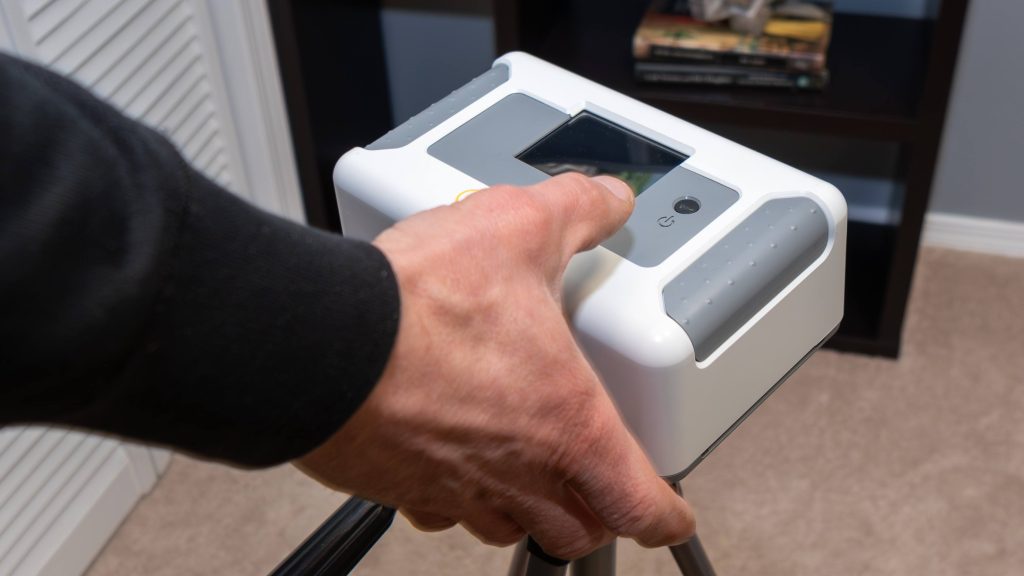
You can find radon testing kits at hardware or other home maintenance stores and online. They cost around $20 or less and are easy to use. It typically takes two to seven days for results. Although there's no safe level of radon, look for test results of 4.0 pCi/L or less.
If your home tests higher than 4.0 pCi/L, then you'll need to have a professional fix the radon issue, which includes installing venting equipment. The equipment looks like a big tube that reaches below the foundation of your home and vents radon up and out of the house.
The cost of a radon mitigation system varies according to the size and design of your home, as well as the system being installed. Costs average $1,000-$2,000. Check with your local city and county housing agencies to see if they have funds available for low-interest loans or grants for radon mitigation, and learn if you're eligible for these funds.
Once the mitigation system has been installed, your home should be tested again to make sure the fix is effective. Even if your home passes the first test, you should retest every two years.
Also, radon testing isn't required when selling a home. However, if you're a buyer, you should insist on it. If levels are high, you may be able to negotiate the costs of the mitigation with the seller.
Radon testing and mitigation are investments in your home — and in your health.
Elizabeth Morton, Physician Assistant, Pulmonology, Mayo Clinic Health System, Mankato, Minnesota