-
Orthopedics/Sports
Golf injuries are preventable — what to know as golfers return to the course during peak golf season
Share this:





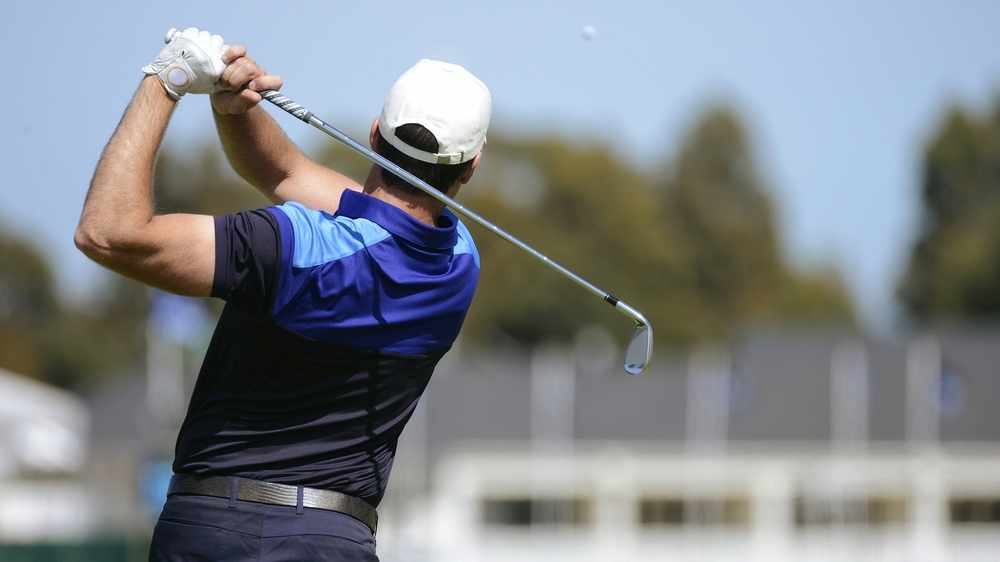
As golfers head back to the course during peak golf season, Mayo Clinic sports medicine and orthopedic experts are available to discuss the most common early-season golf injuries, how to prevent them, and when to seek medical attention.
While headlines may focus on injuries affecting professional golfers, including Achilles tendon, back and ankle issues, most golf injuries are not sudden. They develop over time and are often preventable with proper warm-up, strength and mechanics.
What causes most golf injuries?
"Golf may appear as low-impact, but the repetitive, rotational nature of the swing places stress on the spine, shoulders, hips and forearms," says John Tokish, M.D., a Mayo Clinic sports medicine specialist. "Over time, limited mobility, poor mechanics or lack of strength can lead to overuse injuries, especially early in the season when activity levels increase."
Common injuries include:
- Low back pain
- Shoulder and rotator cuff injuries
- Elbow injuries, including golfer’s elbow
- Wrist and forearm strain
- Hip and ankle instability
Many golf injuries are preventable
The majority of golf-related injuries are linked to doing too much, too soon or returning to play without proper preparation. Three key prevention strategies:
Warm up before every round
A dynamic warm-up prepares muscles and joints for the rotational demands of the golf swing. Learn more: Mayo Clinic Minute: Dynamic golf warmup to prevent injuries
Build strength off the course
Resistance training improves stability, balance and control. Strengthening the core, shoulders and lower body helps protect joints and supports a more efficient swing. Learn more: Mayo Clinic Minute: 4 physical therapist-recommended golf exercises
Focus on proper mechanics
Poor mechanics can increase wear and tear over time.
Golfers experiencing persistent or concerning symptoms should consult a qualified healthcare professional.
When is pain not normal?
Muscle soreness can be expected, especially early in the season. However, certain symptoms may indicate a more serious issue:
- Pain lasting more than a few days
- Pain that wakes you at night
- Pain that affects your swing or performance
- Sharp or worsening pain with activity
Early evaluation by a sports medicine or orthopedic specialist can help prevent minor issues from becoming more serious injuries. With proper preparation, golf remains a safe and lifelong sport for players of all ages.
Expert sources:
- Rochester, Minn.: Adam Tagliero, M.D., Sports medicine/orthopedic specialist, Mayo Clinic
- Phoenix: John Tokish, M.D., Sports medicine specialist
- Jacksonville: Matthew Crowe, M.D., Orthopedics and Sports Medicine
- Mayo Clinic Health System: Bradley Kruckeberg, M.D., Orthopedics and Sports Medicine
About Mayo Clinic
Mayo Clinic is a nonprofit organization committed to innovation in clinical practice, education and research, and providing compassion, expertise and answers to everyone who needs healing. Visit the Mayo Clinic News Network for additional Mayo Clinic news.
Media contacts:
Carey Stanton, Mayo Clinic Communications, newsbureau@mayo.edu
Related Articles