-
Cancer
Mayo Clinic Q&A: Advances in staging and surgical treatment of melanoma
Share this:





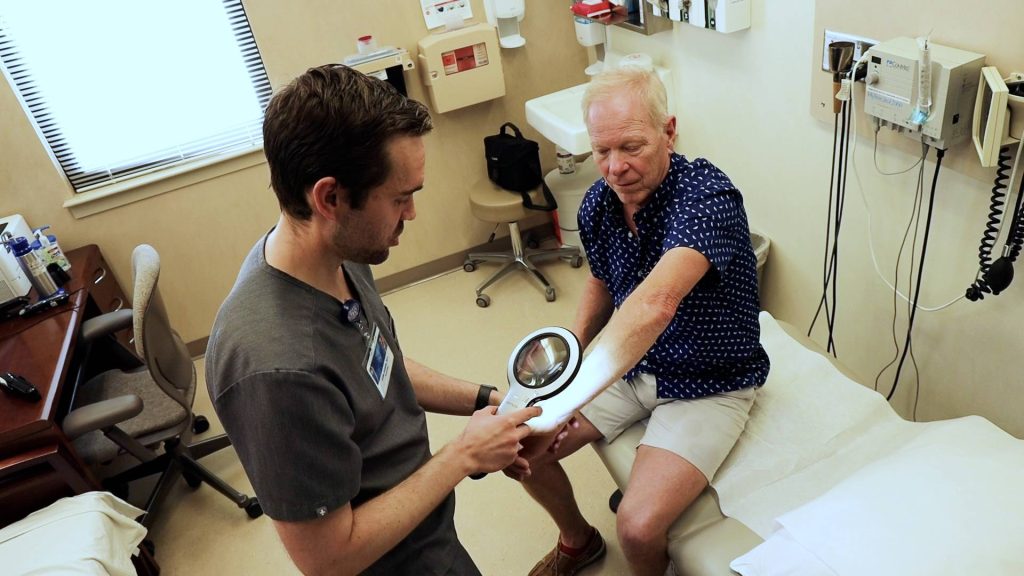
DEAR MAYO CLINIC: I was just diagnosed with early-stage melanoma, and I am being referred to an oncologist. What happens next? Will I need a lymph node biopsy, or are there cases where it can be safely avoided? What other surgical or nonsurgical treatment options might be recommended?
ANSWER: Melanoma is a type of skin cancer that begins in melanocytes, which are the pigment-producing cells. The pigment is called melanin. While it is less common than other types of skin cancer, it is more likely to metastasize, or spread, to other parts of the body. But when detected early, it is often highly treatable.
Early detection
After a biopsy confirms the diagnosis, your care team will evaluate details of the tumor, including its thickness, and other features seen under a microscope, along with a physical exam to determine the clinical stage and guide treatment recommendations.
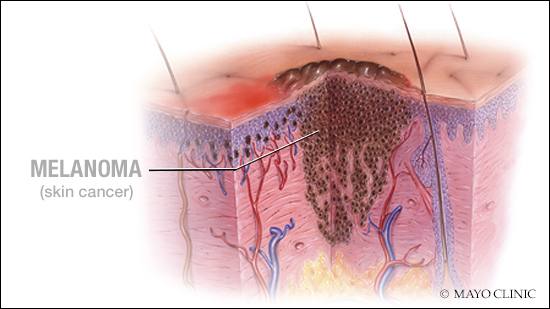
In most cases, a procedure called wide local excision, which removes the melanoma along with a 1- to 2-centimeter margin of surrounding healthy tissue, is performed to ensure all cancer cells are removed. Some patients also may be recommended to have sentinel lymph node surgery. This procedure looks for cancer in the first lymph node, or nodes, that drain the area where the melanoma developed.
For years, sentinel lymph node biopsy has been an important part of staging melanoma. It can help determine how advanced the cancer is and whether additional treatment might be beneficial. However, it's also a surgical procedure, and like any procedure, it carries some risks and isn't necessary for everyone.
In fact, recent studies show that most people who undergo this operation, nearly 80%, do not have cancer in their lymph nodes. Because of this, researchers have been working to better identify which patients are most likely to benefit from the procedure and which patients may be able to safely avoid it.
Advanced options for melanoma staging
One newer approach involves genomic testing of the melanoma tumor. This test analyzes the activity of the specific genes in the tumor, along with clinical factors such as age and tumor thickness, to estimate the likelihood that the cancer has spread to nearby lymph nodes.
For some people with early-stage melanoma, a low-risk result on this type of test may indicate that the chance of lymph node involvement is very small. In these cases, patients and their care teams may decide, through shared decision-making, to safely avoid lymph node biopsy.
At the same time, it's important to note that lymph node biopsy remains an appropriate and important option for patients with higher-risk features. The decision is individualized, based on both traditional staging and new tools that help refine risk.
For many people with early-stage melanoma, surgery is the only treatment needed and is often curative. In these cases, follow-up care and regular skin checks are an important part of long-term management.
However, additional therapies may be recommended in certain situations. If melanoma is found in the lymph nodes or has higher-risk features, your care team may discuss adjuvant therapy, which is systemic treatment given after surgery to reduce the risk of recurrence. This may be immunotherapy or targeted therapy, depending on your individual situation.
Melanoma care is increasingly moving toward a more personalized approach. Traditional factors, such as tumor thickness and lymph node status, remain essential, and newer tools, such as genomic testing, are helping to refine decision-making.
This means that instead of a one-size-fits-all approach, treatment can be better tailored to each person's tumor biology. In some cases, that may mean avoiding unnecessary procedures, while still ensuring that higher-risk cancers are treated appropriately.
Tina Hieken, M.D., Breast and Melanoma Surgical Oncology, Mayo Clinic, Rochester, Minnesota