Share this:






After unexplained pain, stiffness and abnormal movements led to dystonia diagnoses, Mayo Clinic specialists tailored deep brain stimulation and ongoing care to Emma and Lauren Fink's individual symptoms and goals.
In September 2024, 14-year-old Emma Fink reached for a volleyball during gym class when something suddenly went wrong.
"I went to bump the ball, and my shoulder blade popped out of place," Emma says.
Her right shoulder blade shifted sharply upward and remained fixed in place. She describes the pain as feeling like "someone was punching me over and over."
At the emergency department, imaging showed that Emma's shoulder was not dislocated. The cause of her shoulder blade's fixed position remained unclear, and muscle relaxants provided no relief.
Watch: Deep brain stimulation helps sisters with dystonia return to the activities they love
Journalists: Broadcast-quality video (4:49) is in the downloads at the end of this post. Please courtesy: "Mayo Clinic News Network." Read the script.
When Emma's symptoms pointed to a movement disorder
For months, Emma could not raise her arm, sleep comfortably, write with her dominant hand or wash her hair. Emma, a normally laid-back teenager who loved drawing, archery and spending time with friends, had to relearn everyday tasks with her left hand while living with constant pain.

Emma was initially treated for a suspected sports injury. When her shoulder did not improve with treatment, Mayo Clinic sports medicine specialists in Rochester, Minnesota, contacted Dr. Amy Rabatin, a physical medicine and rehabilitation specialist at Mayo Clinic.
Before seeing Emma in person, Dr. Rabatin was brainstorming with the sports medicine team, reviewing photographs, considering ways to control Emma's pain and asking another question: Who else needed to be involved?
Suspecting a neurologic cause, Dr. Rabatin helped connect Emma with Dr. Keith A. Coffman, a Mayo Clinic neurologist who specializes in pediatric-onset movement disorders.
Dystonia diagnosis brings answers
When Dr. Coffman evaluated Emma, he recognized signs of dystonia, a movement disorder that can cause involuntary muscle contractions and painful, sustained tightening. He compares the sensation to a charley horse that does not release.
Dystonia can affect any voluntary muscle and can look very different from one person to the next. Emma's presentation was especially unusual, Dr. Coffman says, because her arm had remained locked in position for months.
The diagnosis brought clarity but not a quick fix. Drs. Rabatin and Coffman continued coordinating Emma's medication management, rehabilitation and evaluation of additional treatment options to address her pain, movement and function.
Considering deep brain stimulation for dystonia
When medications did not adequately control Emma’s worsening symptoms, Dr. Coffman recommended deep brain stimulation (DBS).
DBS uses implanted electrodes to deliver adjustable electrical stimulation to areas of the brain involved in movement. It can lessen symptoms of dystonia, but it is not a cure.
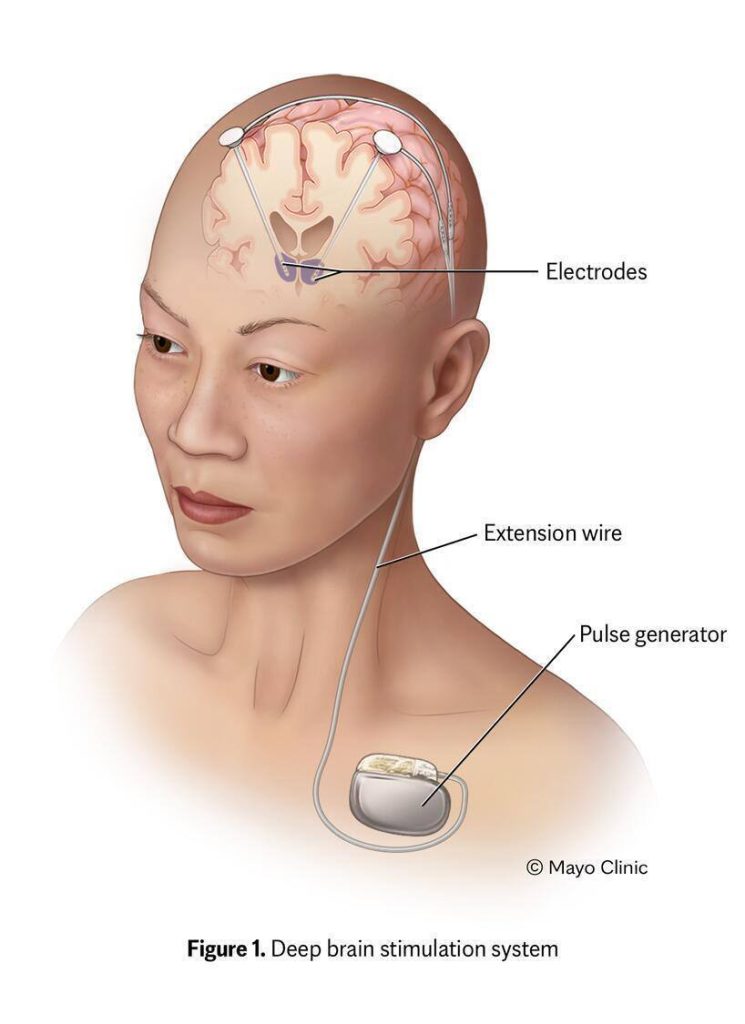
For Emma and her family, the next step did not require starting over with a new care team. Dr. Coffman could evaluate her for DBS alongside Dr. Kai Miller, a Mayo Clinic neurosurgeon, through Mayo Clinic's Pediatric Deep Brain Stimulation Program in Rochester.
At first, Emma was hesitant about brain surgery.
Dr. Coffman and Dr. Miller talked with Emma and her parents, Angie and Andy Fink, about the potential benefits, limitations and risks. They also addressed Emma's questions, including how much of her hair would need to be shaved. As the physicians answered her questions, Emma became more comfortable considering the procedure.
"I just wanted to be better," Emma says. "Anything to make me better."
Emma notices a change after DBS activation
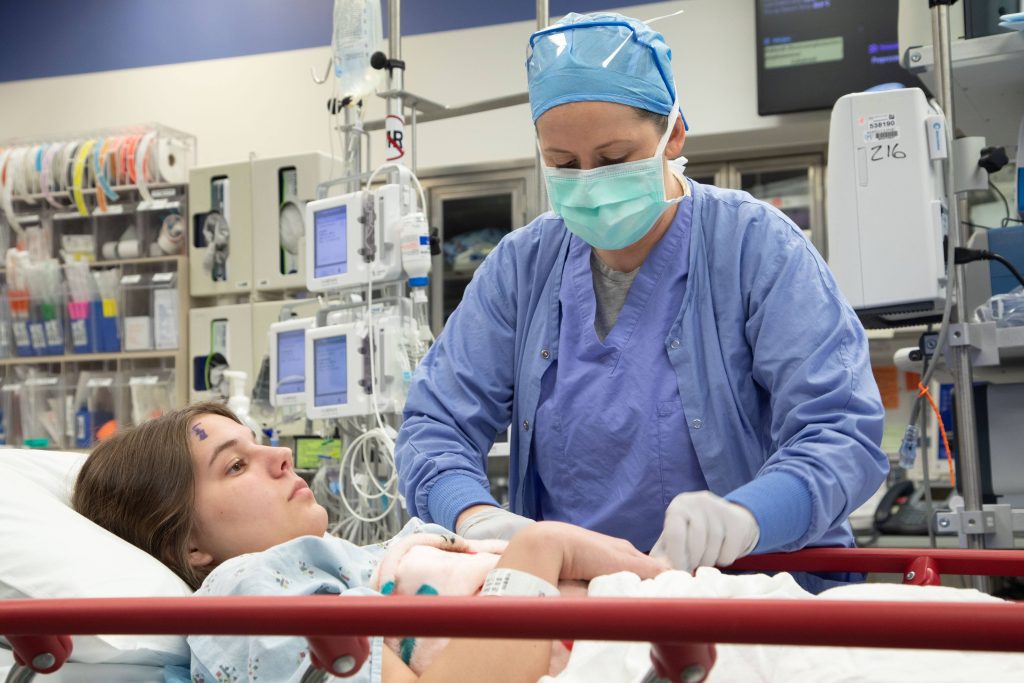
Dr. Miller performed Emma's DBS surgery in April 2025. When Dr. Coffman activated the device several weeks later, Emma felt the muscles around her shoulder release.
"I could feel my shoulder shift down, and then all my muscles finally relaxed," she says. "It felt like it was floating."
Within minutes, Emma could move an arm she had been unable to use for nearly eight months.
After watching Emma live with persistent pain, Angie struggled to believe the change could last.
"I remember thinking, 'We're going to wake up tomorrow, and it's going to be back to the way it was. This can't be real,'" Angie says. "I had some disbelief that it worked so well, so quickly, and then gratitude that we had the expert team to make it happen for her."
The moment affected Emma's care team too.
"When we turned Emma's device on and she got relief, we all cried," Dr. Coffman says.
A second dystonia diagnosis in the family
As Emma recovered and rebuilt her strength through occupational therapy with Katie Cossette, OT, and physical therapy, her younger sister, Lauren, began experiencing rapid blinking and unusual movements of her head and neck.
She also had a long history of tightness and pain in her legs that worsened with activity.
During one of Emma's DBS programming appointments, Angie described Lauren's symptoms. Dr. Coffman asked to see Lauren and later confirmed that she, too, had dystonia.
Their specific condition is classified as presumed monogenic dystonia, meaning it is likely tied to a change in a single gene that has not yet been identified. Dr. Coffman says this is the second most common form of dystonia in children.
Individualizing care for each sister
Sharing the same condition did not mean Lauren's treatment would mirror Emma's. Still, like her sister, Lauren wanted to try medication before considering DBS.
The team gave her time to make the decision on her own terms. But as Lauren's symptoms worsened, the effects became harder to ignore. Softball, a sport she loves, grew more difficult as her bat speed slowed and fatigue set in more quickly.
After watching her sister benefit from DBS and talking through her own concerns with her care team, Lauren underwent DBS surgery in February 2026.
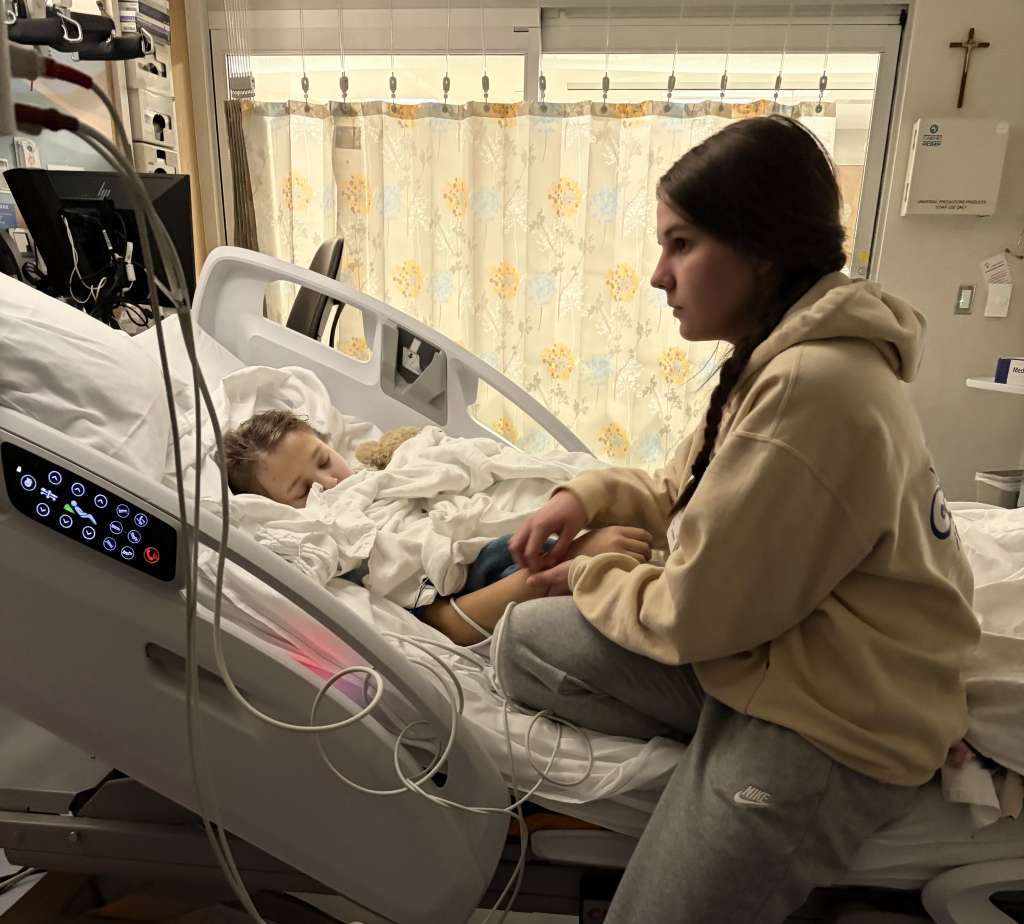
When her device was activated, Lauren noticed almost immediately that walking felt easier.
"I didn't realize I wasn't supposed to feel that uncomfortable tightness in my legs when I moved," she says.
Fine-tuning deep brain stimulation over time
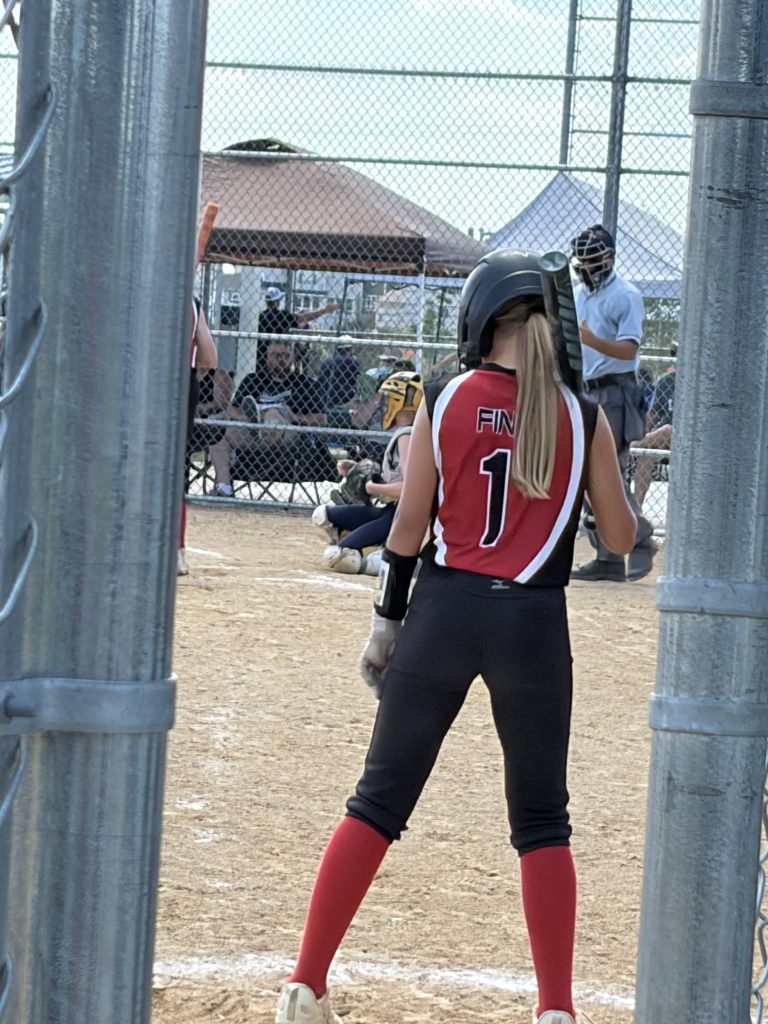
As Emma and Lauren grow and their symptoms change, they return to Dr. Coffman to fine-tune their DBS settings around the activities that matter most to them. For Lauren, that means softball.
During a recent appointment, she stood in the clinic swinging a bat while Dr. Coffman adjusted her DBS settings on a tablet. With each change, she described what she felt.
When the stiffness eased and her swing felt natural again, they knew they had found the right setting.
Returning to school, sports and everyday life
Across specialties, Emma and Lauren's care team continues to share updates about their symptoms, rehabilitation and personal goals, so their treatment can adjust as their needs evolve.
Although the family may meet with each specialist separately, Angie says their care has never felt divided.
"It feels like when we talk to one of them, we're talking to all of them," she says.
Today, Emma is returning to archery, drawing and time with friends. Lauren continues to practice softball, work on her strength training and has plenty of energy for her family and friends.
Looking back on how far both girls have come, Angie and Andy say they are grateful for the Mayo Clinic care teams that helped Emma and Lauren return to the rhythms of teenage life.
"Through this all, we felt like we were in good hands," Andy says. "If there’s any place in the world we would have wanted this done, it would have been right here."