Share this:





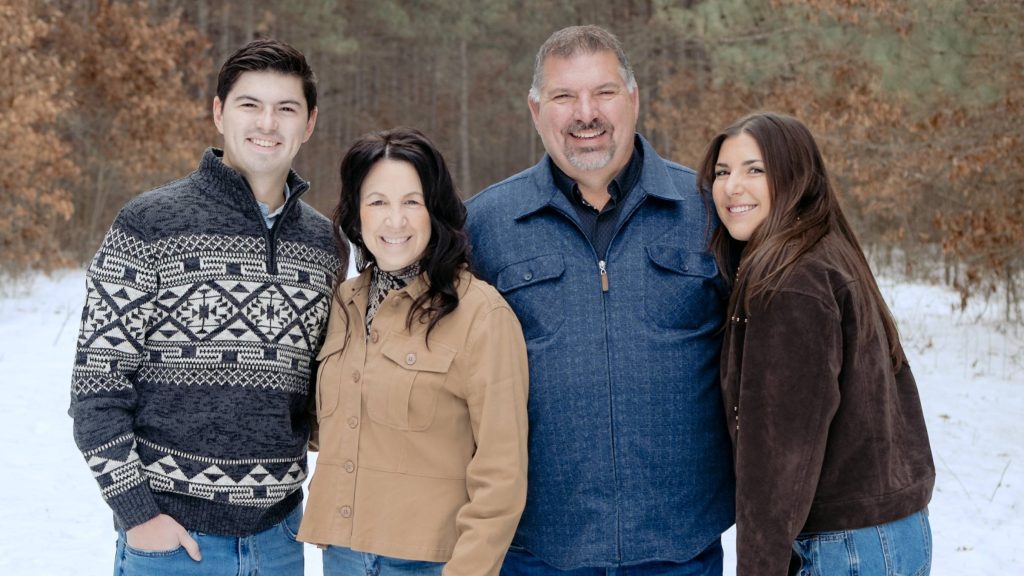
In the summer of 2024, Dawn Beaubien began experiencing symptoms she couldn't explain.
"I was waking up at night just vomiting profusely, once, maybe twice, three times a week," recalls Dawn.
At first, Dawn tried to push through it. But her husband, Brian, encouraged her to get it checked; something didn't seem right.
Dawn sought care from her local primary physician, and initial imaging revealed a cyst on her pancreas— an unexpected and concerning finding.
Living in Hudson, Wisconsin, Dawn was referred locally for additional testing. But as the results continued to point to a pancreatic cyst, Dawn knew she wanted answers from Mayo Clinic.
"If there is something going on, we have Mayo Clinic right here," says Dawn. "I'm going to Mayo."
Understanding the diagnosis
At Mayo Clinic, a comprehensive evaluation showed the cyst had high-risk features, meaning it had a significant likelihood of either already harboring cancer or progressing to cancer over time.
Dawn brought a unique perspective to this moment. Earlier in her career, she had trained as a nurse, so the medical terminology and its implications were not unfamiliar. That understanding, while helpful, also heightened her concern not just about the diagnosis but what it could mean for her life and her family.
"Being that my kids are still young, I think I was probably more consumed with wondering what is this, can they treat it and what are they going to do?" says Dawn.
She also understood the potential progression, that the cyst could grow quickly and entangle one of the nearby blood vessels, which would make it inoperable and require extensive chemotherapy or radiation down the road.
Given these risks, surgery was recommended to remove it. She was referred to Dr. Mark Truty, a hepatobiliary and pancreas surgical oncologist at Mayo Clinic in Rochester, Minnesota.
A complex surgical plan
When Dawn met with Dr. Truty, she was struck by his clarity and approach, which she appreciated even with her clinical background, given the enormity of the diagnosis.
"He was amazing in terms of writing everything out, drawing everything for me," says Dawn.
Even without a confirmed cancer, Dr. Truty's recommendation was clear — the cyst was concerning enough to require removal.
"The type of surgery depends on the location of the cystic tumor," says Dr. Truty. "Because Dawn's cyst was located in the head of the pancreas, she required a 'Whipple' operation."
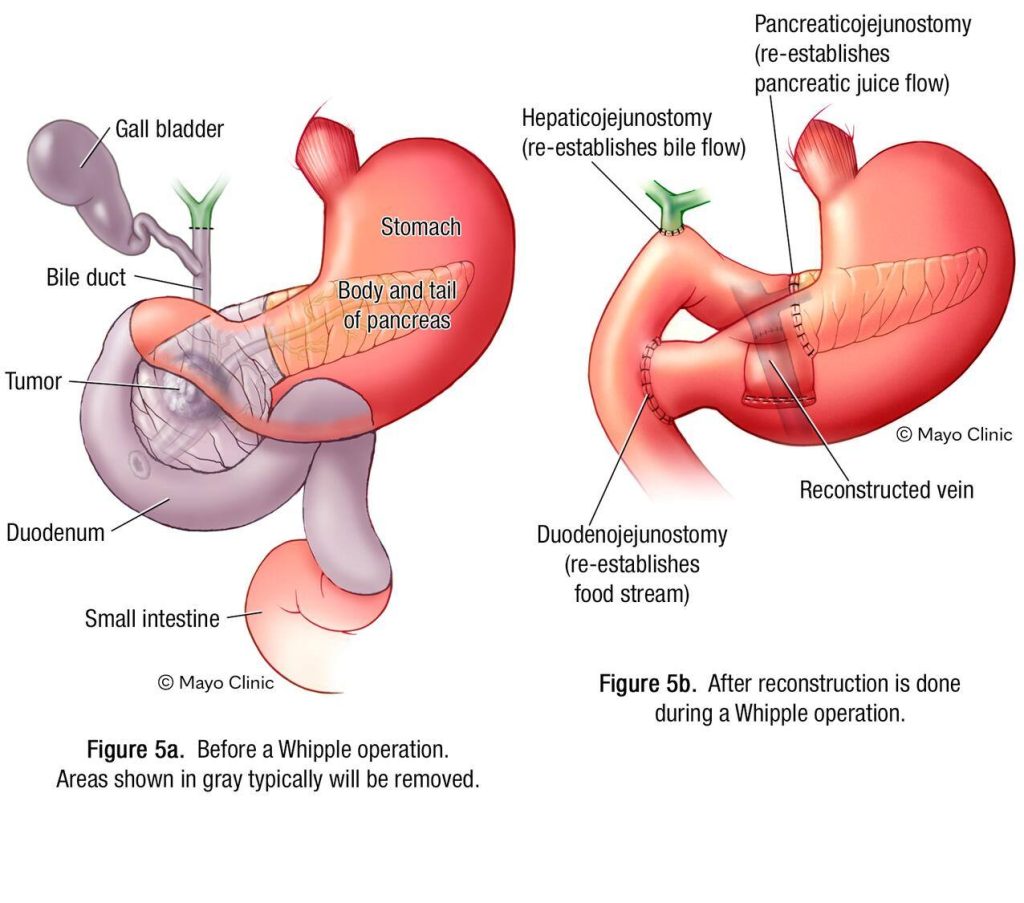
This complex procedure involves removing the head of the pancreas, bile duct and gallbladder, and parts of the stomach and intestine, followed by reconstruction to restore digestion.
Dawn underwent surgery in June 2025, and the cyst was successfully removed.
"Final pathology confirmed it was an intraductal papillary mucinous neoplasm with high-risk features," says Dr. Truty. "Fortunately, there was no cancer present, and all the lymph nodes were negative, so Dawn did not require further treatment. However, this was a type of pancreatic cystic tumor that would have become cancer over time."
Recovery and healing
Recovery required time and patience. Dawn experienced digestive changes as her body adjusted after surgery. According to Dr. Truty, these changes are not uncommon after this type of surgery and, fortunately, are temporary if managed proactively and with the right care.
Throughout this period, her care team guided her through each step of recovery, adjusting care as needed and helping her steadily regain strength.
"I can't say enough about the team at Mayo," says Dawn. "From the nurses at the bedside at 2:00 a.m. to the one sending me off when I was discharged, everyone was very thorough,very kind and very competent."
Family at the center
Throughout it all, Dawn's family remained at the center of her experience and a constant source of strength.
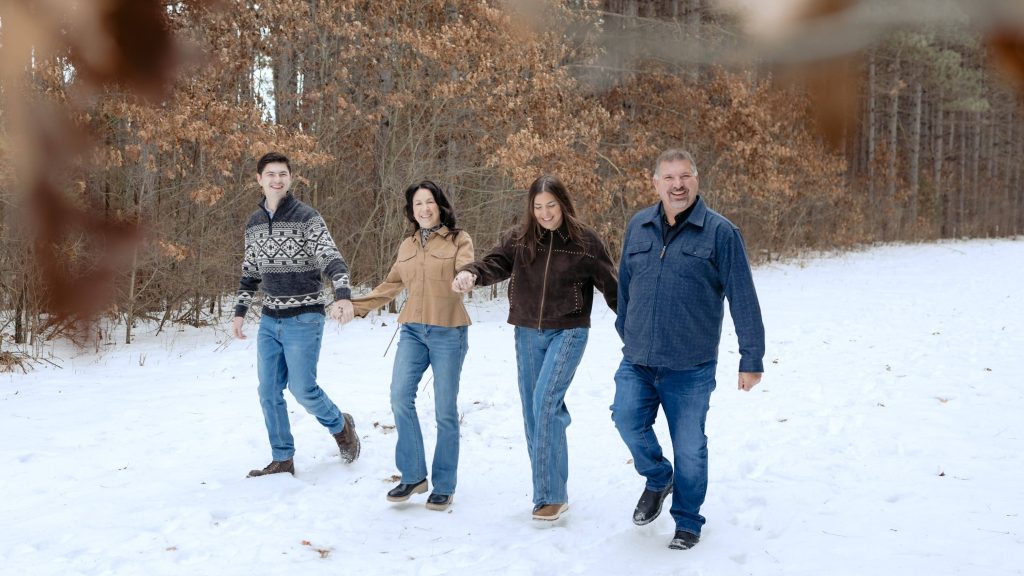
Brian was by her side nearly the entire time. Her daughter stayed with her in the hospital, even sleeping overnight during the earliest days of recovery. Her son visited frequently, and her extended family traveled from afar to support her during the most difficult weeks.
Looking back, Dawn credits her recovery not just to the surgery, but to the combination of expert medical care and unwavering family support.
"I couldn't have done it without all of you," says Dawn of her family. "I couldn't have done what I did last year and went through without them."
As her strength returned, so did the life she had been working to get back to — time with her family, staying active and moving forward.
Dawn remembers Brian describing her recovery in simple terms: she pushed through it with determination, not only for herself but for their family.
Trusting the signs
Dawn believes she is fortunate that her symptoms led to early detection. Many pancreatic conditions are not identified until they are far more advanced.
"I was grateful, the cyst was found when it was in a state that surgery was still an option, and my family doctor dug in to find out exactly what was going on," she says.
Her advice reflects what she learned through experience: pay attention to your body and don’t ignore persistent changes.
"Trust your body, trust your intuition," says Dawn. "If something's not feeling right or feels concerning, go get checked."