-
Gastroenterology
Get to know your microbiome: It can improve gut health and more, Mayo Clinic expert explains
Share this:






ROCHESTER, Minn. — Resolutions to improve health typically include measures such as more exercise, a healthier diet and stopping smoking. But what about your gut microbiome? Taking steps to protect and improve it can benefit digestive health and more, says Purna Kashyap, M.B.B.S., a gastroenterologist at Mayo Clinic who specializes in the gut microbiome and gastrointestinal disorders.
"The microbiome is essentially a community of bacteria, fungi, viruses and all of their genes," Dr. Kashyap explains. "The skin, lungs and reproductive system each have their own microbiomes. The gut microbiome is probably the most diverse in our body. Its microbes perform several functions. The body's other microbiomes tend to be more specialized."
Your gut microbiome is as unique as your fingerprint. These bacteria perform important jobs, including breaking down fiber and starches; synthesizing vitamins and amino acids, such as vitamins B and K; and producing short-chain fatty acids (SCFA) that help prevent disease. They also maintain the intestinal barrier, a protective gut lining.
"For example, when you eat an apple, your stomach and small intestine break down some of it. The rest of the apple goes to your colon, where bacteria do the rest of the work for you," says Dr. Kashyap, the Bernard and Edith Waterman Director of the Microbiomics Program at the Mayo Clinic Center for Individualized Medicine.
"As the bacteria break down the apple's fiber, they produce substances that are good for the cells of the colon and the body."
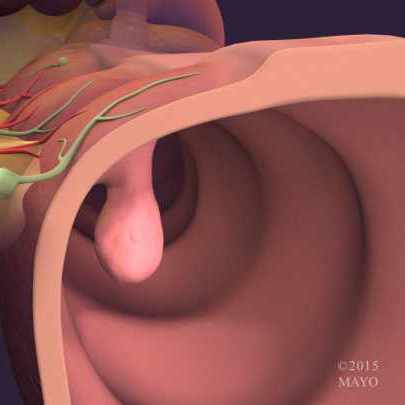
If you lose these healthy bacteria, it creates an opportunity for some of the bacteria that cause disease to thrive. One example is Clostridioides difficile, or C. diff, a bacterium that can infect the colon, the longest part of the large intestine. Symptoms can range from diarrhea to life-threatening damage to the colon. Risk factors for C. diff infection include antibiotic use, hospitalization and certain medications that affect the immune system.
"If you take antibiotics, your microbiome might change for a short time, but it usually goes back to its original state," Dr. Kashyap says. "The same thing can happen with other changes or behaviors, such as traveling or eating a lot of fast food. Think of your microbiome like a rubber band. You can stretch it a bit, and it bounces back. But if you stretch it too much, it might get disrupted."
In addition to gut infections like C. diff, microbial imbalances are thought to play a role in other diseases and symptoms, including colon cancer; diabetes; depression and other mood disorders; Alzheimer's disease; Parkinson's disease; and cardiovascular disease. More research is needed to understand ties between the gut microbiome and these diseases, Dr. Kashyap says.
How far you can stretch your microbiome depends on several factors. Those include how long the disruption lasts. This is one reason it's important to avoid overusing antibiotics, Dr. Kashyap says.
Some underlying diseases, such as inflammatory intestinal diseases can affect which communities of bacteria can thrive in your gut and which can't. These include inflammatory bowel diseases such as Crohn's disease and ulcerative colitis.
Dr. Kashyap is studying the interactions between gut bacteria and dietary carbohydrates and how they influence the gastrointestinal system. His long-term goal is to develop new biomarkers and microbiota-targeted therapies for treatment of functional gastrointestinal disorders, including irritable bowel syndrome and chronic bloating, also known as functional bloating.
Lifestyle can also play an important role in the health of your gut microbiome, Dr. Kashyap adds: "Gut bacteria eat what you eat. If you eat a lot of sugary, salty, fatty foods such as snacks, sweets and highly processed foods or consume a lot of alcohol, you'll starve bacteria. As a result, they will try to get nutrients from your gut lining and will damage it in the process."
On the other hand, if your diet is loaded with a diverse array of fruits, vegetables and fiber, you'll nourish a diverse microbial community in your gut.
"The more diverse your gut microbes, the farther you can stretch things before you experience disruption," Dr. Kashyap says. "Happy bugs, happy life."
Other lifestyle habits will help to protect gut health:
- Drink plenty of healthy fluids such as water and limit or avoid alcohol.
- Exercise for at least 30 minutes most days.
- Don't smoke.
- Manage stress.
For more information about the microbiome and microbiome research at Mayo Clinic, visit Mayo Clinic Press and the Mayo Clinic Center for Individualized Medicine.
###
About Mayo Clinic
Mayo Clinic is a nonprofit organization committed to innovation in clinical practice, education and research, and providing compassion, expertise and answers to everyone who needs healing. Visit the Mayo Clinic News Network for additional Mayo Clinic news.
Media contact:
- Sharon Theimer, Mayo Clinic Communications, newsbureau@mayo.edu