Share this:





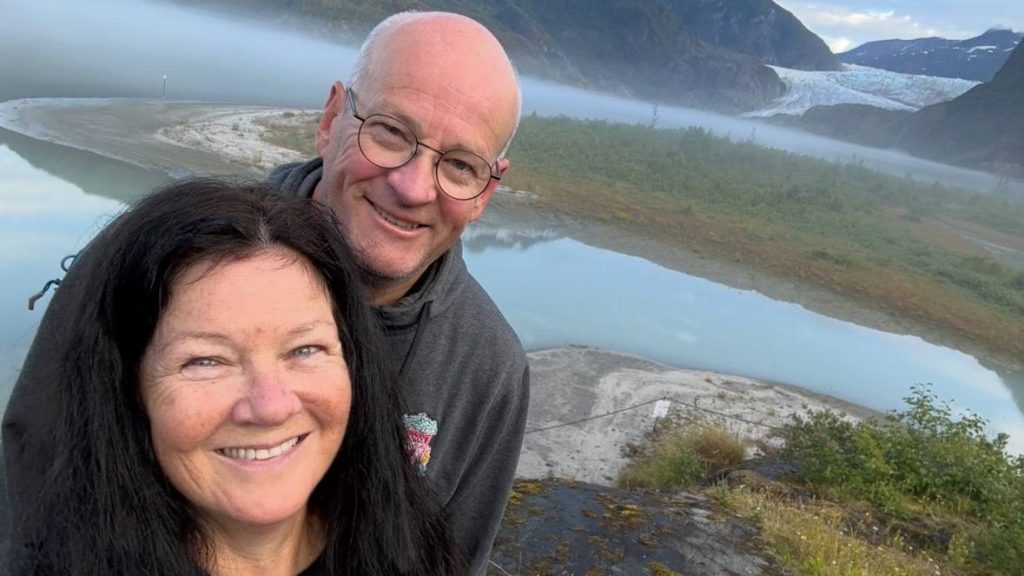
Fainting became commonplace for Brenda in 2021. She and her husband, John, were so accustomed to what they called "blood pressure crashes" that they developed a routine.
"I would feel dizzy, nauseated and sweaty, and (I would) alert my husband. He would run for a bucket and a cold compress. I would lie on the ground and get my feet up," Brenda shares.
John would check her blood pressure. Once she stabilized, they would go about their day.
Brenda, then 53, attributed the episodes to traveling too much for work or not drinking enough water, especially because many occurred on hot days in her home state of Arkansas.
"I had an excuse every time," she says.
But in 2023, as she headed out for a run with John — her favorite leisure activity — Brenda fainted and couldn't get back up. John called an ambulance.
Watch: Dr. Guru Kowlgi explain cardioneural ablation
Journalists: Broadcast-quality sound bites are available in the downloads at the end of the post. Please courtesy: "Mayo Clinic News Network." Name super/CG: Guru Kowlgi, M.B.B.S./Cardiovascular Medicine/Mayo Clinic.
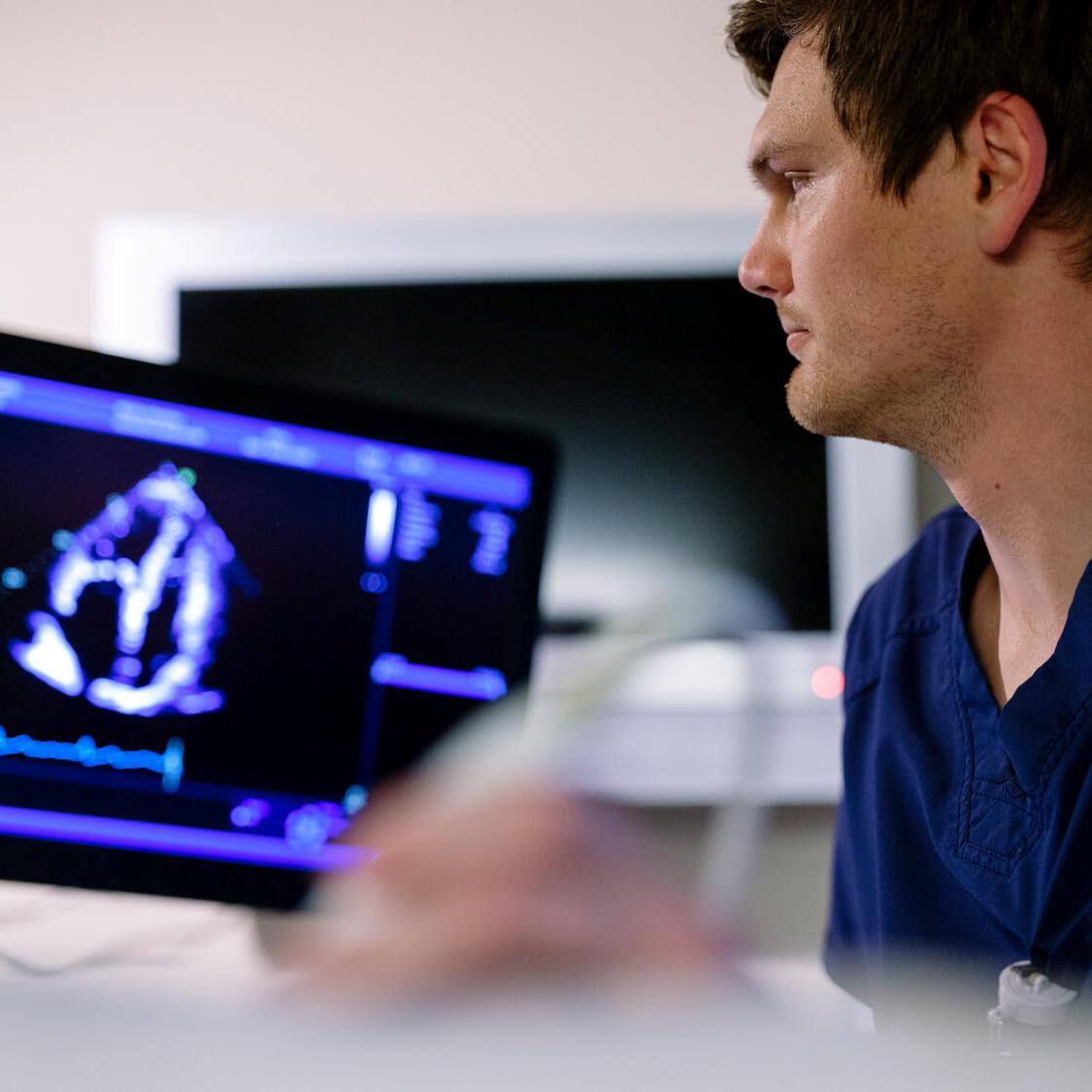
After extensive testing at the hospital and a review of Brenda's smartwatch health data, her physician found that the fainting episodes coincided with drops in her heart rate. Brenda received a pacemaker, a device implanted under the skin that sends small electrical impulses to the heart to keep it from beating too slowly or pausing too long.
But the fainting episodes continued. Brenda also experienced fatigue, brain fog, hair loss and inflammation throughout her body.
"I'd gone from a person with great energy and vitality to someone who struggled to walk. I was trying every remedy possible," Brenda says.
She tried cold plunges, gluten-free and dairy-free diets, and intermittent fasting. She took 13 different medications and multiple vitamins, and she stopped air travel. Nothing worked. She lived in constant fear that something was seriously wrong with her heart.
Brenda continued checkups with her local care team. Despite her symptoms, she kept receiving the same report: "Your heart is fine. Your pacemaker is working. You're good."
In April 2025, before Brenda left to visit her home country of Ireland, a nurse practitioner who had been part of her care team from the beginning expressed concern about Brenda's condition and advised her to seek care elsewhere. The nurse practitioner referred Brenda to Mayo Clinic, and soon afterward, Brenda and John made the 10-hour drive to Rochester, Minnesota.
Finding the cause of years of fainting
In September 2025, after months of extensive evaluations at Mayo Clinic, Brenda met Guru Kowlgi, M.B.B.S., a cardiologist and cardiac electrophysiologist.
She walked into the appointment with little hope, expecting him to deliver the same message she had heard from other physicians: "You're fine. Keep doing what you're doing."
Instead, Dr. Kowlgi said, "Brenda, we know exactly what the issue is, and we have a plan to solve it."
"I couldn't believe it. John and I felt relieved to finally have answers," Brenda says.
Brenda was diagnosed with vasovagal syncope, a common condition that causes fainting when the vagus nerve triggers a drop in heart rate and blood pressure.
"A pacemaker is usually the last treatment option for patients like Brenda, but it does not solve all their issues," says Dr. Kowlgi.
Pacemakers treat slow heart rates, which are the result of vasovagal syncope, but do not address the root cause. Thus, Dr. Kowlgi says patients may continue to have lightheadedness, and even faint, and the condition can significantly affect quality of life.
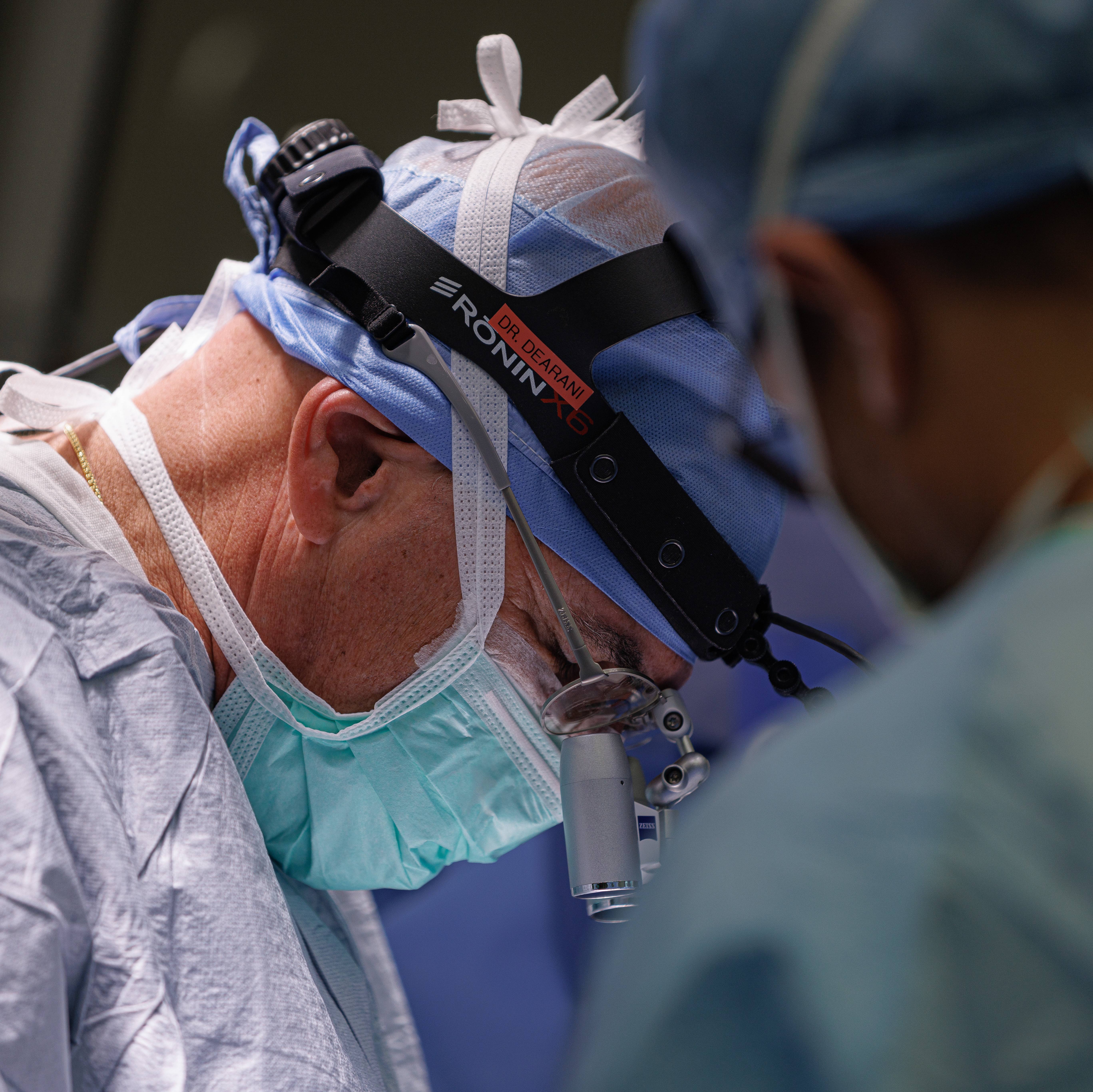
For Brenda, Dr. Kowlgi recommended a specialized procedure called cardioneuroablation, also referred to as cardioneural ablation. The procedure uses a catheter to target and ablate, or destroy, areas around the nerve cells in the heart that contribute to the abnormal reflex.
"It is like a recalibration," explains Dr. Kowlgi. "Since the vagus nerve activity is high, we are trying to blunt it and bring it closer to normal."
Using cardioneuroablation to target the cause
Dr. Kowlgi first performed cardioneuroablation at Mayo Clinic in 2022 and has helped advance its use for vasovagal syncope.
Cardioneuroablation builds on techniques used in cardiac ablation procedures to treat heart rhythm disorders. Dr. Kowlgi is among the physicians using the approach to treat vasovagal syncope, including in patients with pacemakers, such as Brenda.
In 2024, Dr. Kowlgi performed cardioneuroablation for the first time on a patient with an existing pacemaker. "We started building on that experience. I realized there was an opportunity to not only make patients' symptoms better but to remove pacemakers, which can cause a multitude of issues, especially when implanted in young patients who would otherwise live with them for life."
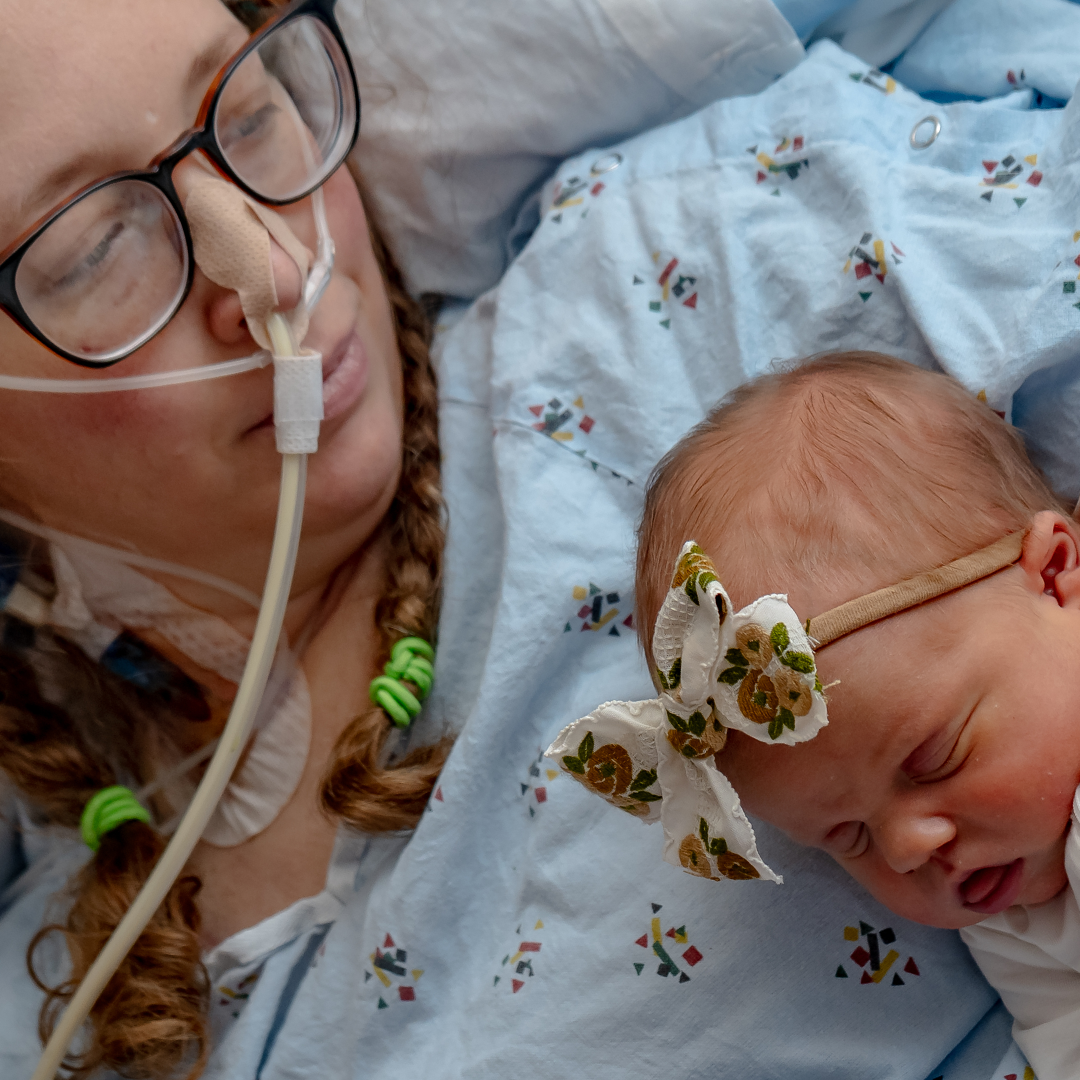
Brenda underwent the procedure in October 2025. "When I came off the operating table, I could feel my energy coming back. I was out walking within a week," Brenda says.
Within two months of the procedure, Brenda went from having her pacemaker provide pacing 40% of the time to no pacing, and her symptoms resolved.
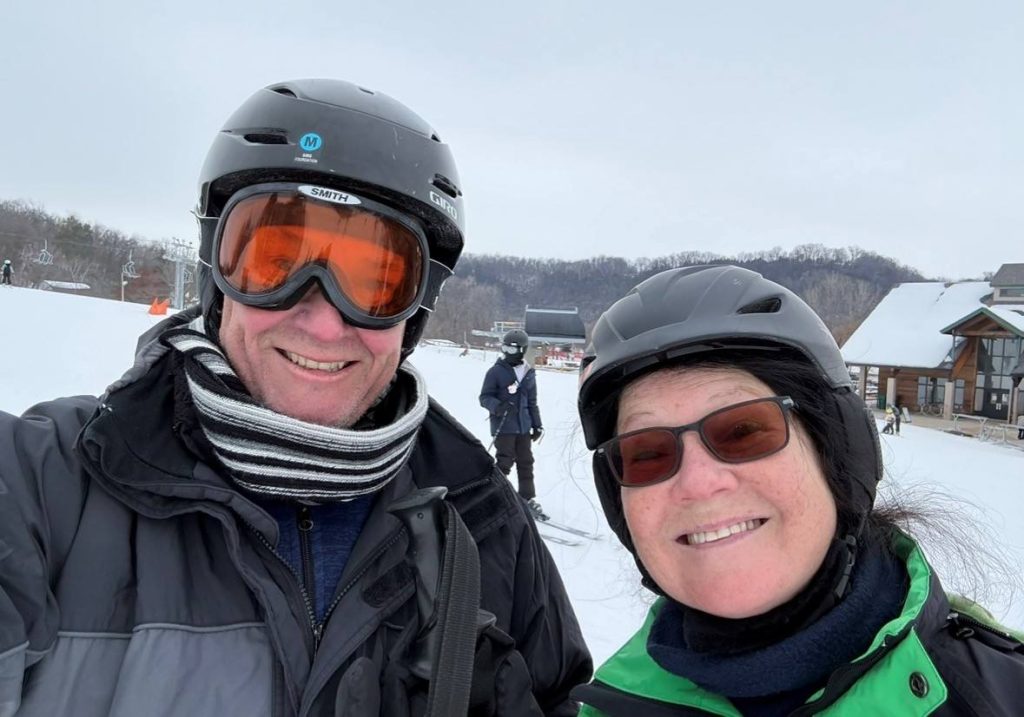
She spent Christmas in Rochester, skiing with her family for the first time in years. In February 2026, Brenda's pacemaker was removed.
Returning to running, traveling and family life
As Dr. Kowlgi continues clinical research on cardioneuroablation and its potential uses, Brenda and John are reclaiming their life together.
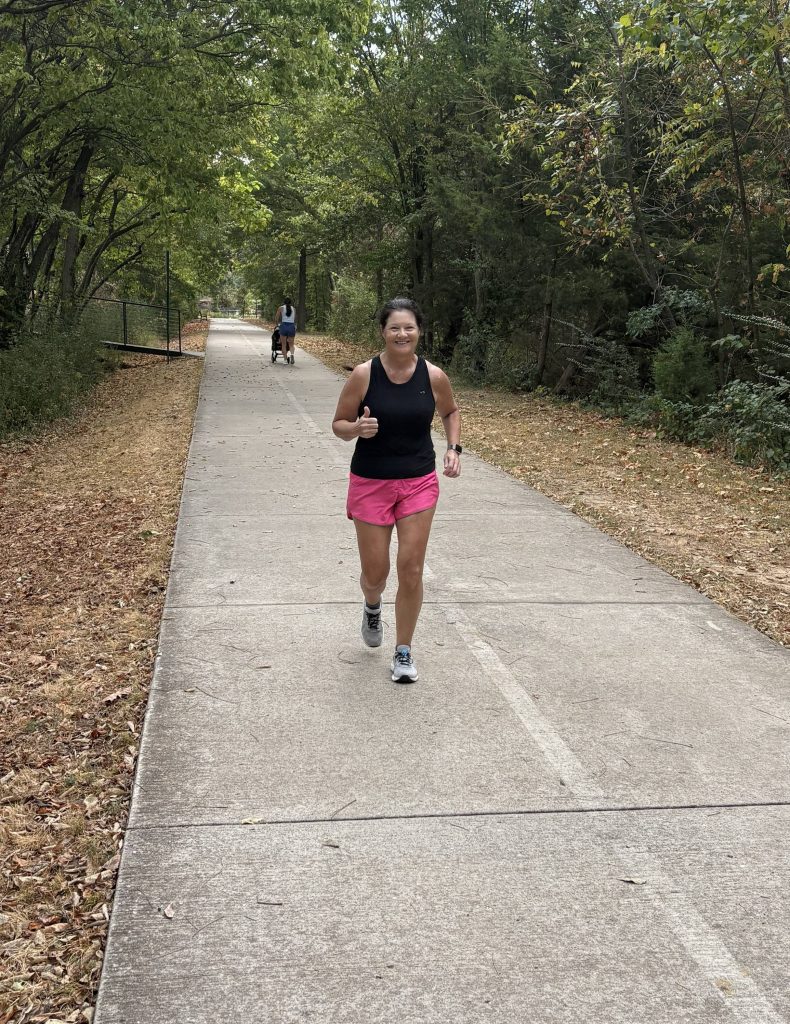
"I thought I'd never be able to run another marathon or plan travel with John to see my mum in Ireland, our sons in New York and Kentucky, and visit the last state on our bucket list," Brenda says. "Now I run 3 to 4 miles a day and am about to go on a cruise to Alaska. It's not just me who got my life back, but my family did too."