Share this:






Kim Brown was running on a treadmill — training for her next half-marathon — when she received a phone call that stopped her short.
What started as an evaluation of an ovarian mass, which was later determined to be benign, quickly revealed something far more serious: a large tumor deep in the center of her liver.
Just moments earlier, she had been focused on finishing her run.
"I had no symptoms, no risk factors at all," says Kim. "I literally went from training for a half-marathon to suddenly being dropped into cancer land."
Diagnosis
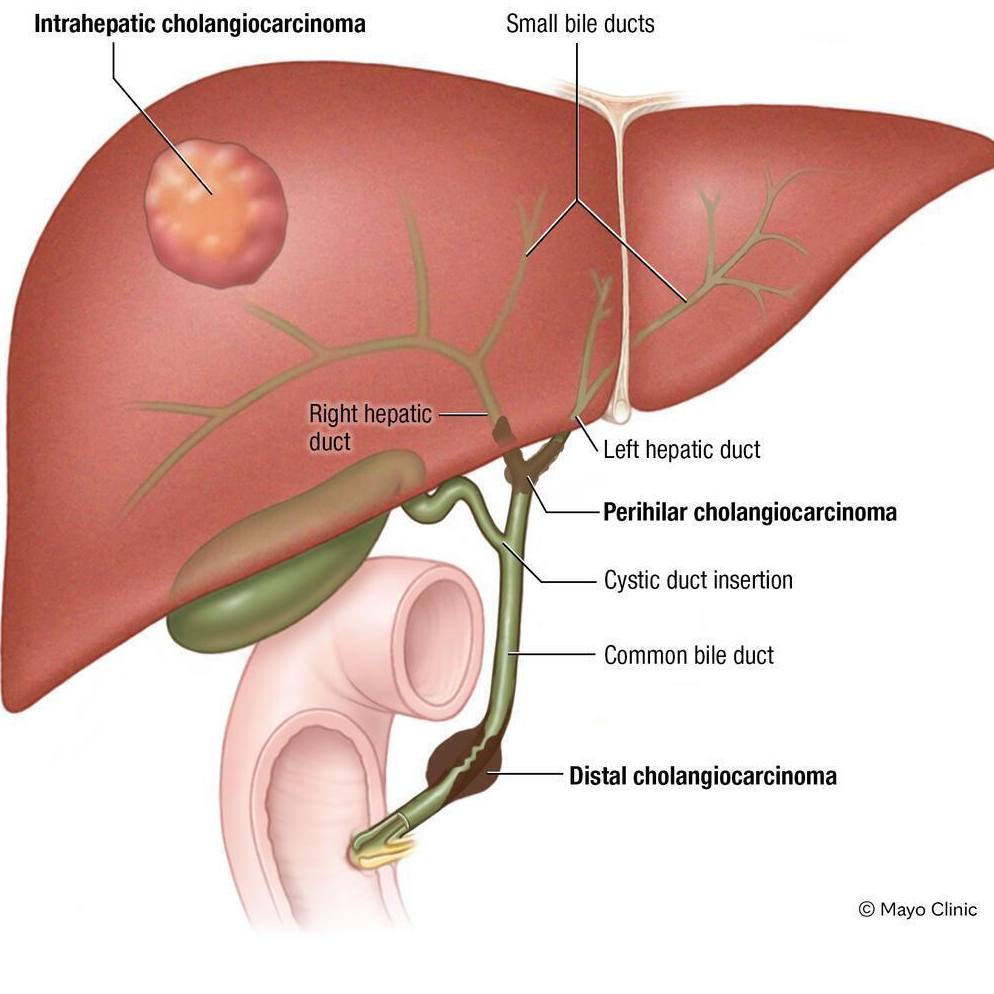
Further testing confirmed the diagnosis,intrahepatic cholangiocarcinoma, one of the most aggressive cancers of the liver, located in a particularly complex location.
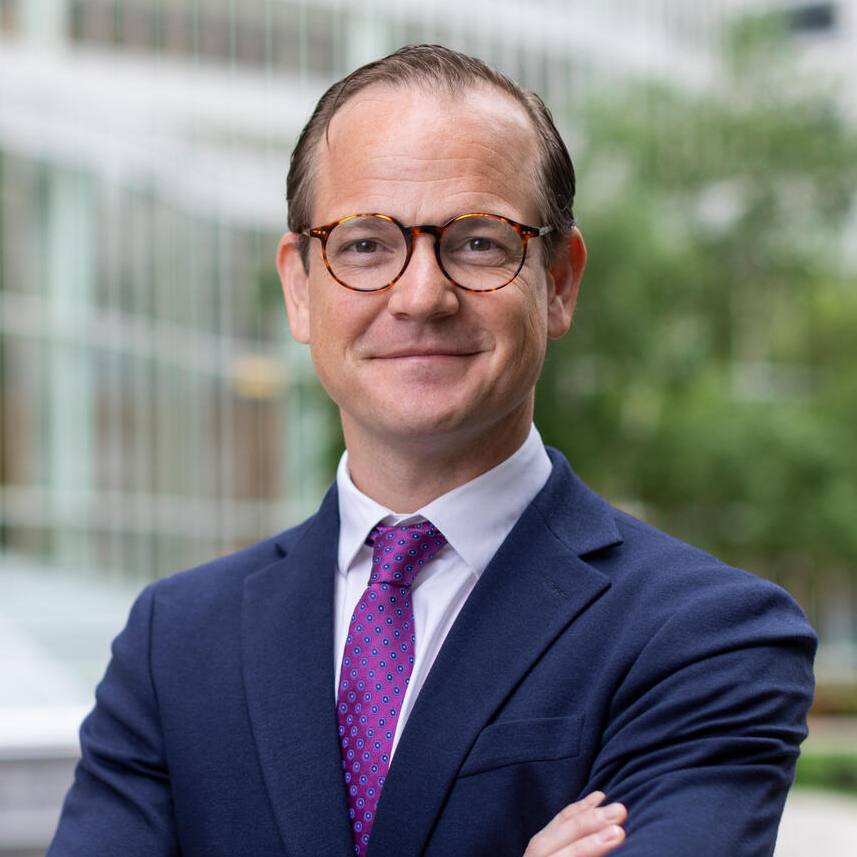
Because Kim was already being evaluated atMayo Clinic in Rochester, Minnesota, her team quickly expanded to include Patrick Starlinger, M.D., Ph.D., a hepatobiliary and pancreas surgeon.
The peach-sized tumor was in the center of Kim's liver and involved critical structures that supply blood and drain bile from the organ. This location can make surgery extremely difficult and sometimes impossible.
"I remember how shocked Kim was when I first met her and explained her diagnosis," says Dr. Starlinger. "She was such an active person — climbing ice, hiking mountains in the middle of her life, and now all of a sudden, she has one of the most aggressive cancers that we know."
A novel approach
Kim began chemotherapy in the fall of 2022.
During that time, Dr. Starlinger and the Mayo Clinic team used an innovative chemotherapy combination and advanced imaging to closely monitor the cancer's activity. One key tool was metabolic PET imaging, which measures how active a tumor is at the cellular level rather than simply how large it appears on a scan.
"By evaluating the tumor's metabolic response to chemotherapy, we could see that the cancer was responding exceptionally well," says Dr. Starlinger. "That allowed us to move forward with a very complex operation that otherwise might not have been possible."
Her treatment lasted several months and required determination and patience. But throughout, Kim stayed focused on maintaining her strength.
"I kept hiking and getting outside as much as I could," says Kim. "I wanted to be as strong as possible going into surgery."
Extensive liver cancer surgery
In January 2023, Kim underwent a complex liver surgery, called an extended left hepatectomy, that lasted more than nine hours.
During the operation, Dr. Starlinger and the surgical team removed about 70% of her liver to resect the tumor while preserving enough healthy tissue for the organ to regenerate.
The operation also required reconstructing the bile ducts with multiple, surgically created connections to the intestine, called bile duct anastomoses.
Shortly after surgery, the team identified narrowing at one of these newly constructed connection points — a known potential outcome of this type of complex reconstruction — which led to bile buildup.
In the months that followed, Kim experienced several serious infections related to the bile duct narrowing, requiring rapid evaluation and coordination across her care team. Even during this time, she continued to find strength and comfort in the outdoors. Just months after her operation, Kim and a group of friends embarked on a two-week hiking trip through national parks in the western United States.
"We hiked 4 to 6 miles almost every day," recalls Kim. "That was huge; mentally, that was a huge thing."
Ultimately, Kim's care team decided a second operation was necessary to remove the problematic bile duct and the associated portion of the liver, allowing her recovery to move forward.
Dr. Starlinger says Kim's care required careful coordination and timely decision-making across specialties.
"In Kim's case, close monitoring and collaboration allowed us to respond quickly and adjust her care as needed," he says. "Maintaining that connection to the care team is an important part of supporting patients through complex recoveries."
Throughout this period, Kim says the consistency and compassion of her care team made the difference. From physicians coordinating her return to Rochester when needed, to nursing staff who anticipated her needs during each hospitalization, she felt a deep sense of support.
"The team was incredibly invested in my recovery," says Kim. "The nursing staff took such thoughtful care of me — even small things, like saving a pillow I had forgotten so it would be there when I came back, meant a lot. We got to know each other well, and that made a hard experience easier."
Living out loud
Gradually, Kim regained her strength and checked off more adventure milestones, something that continues to inspire her care team.
"Kim's perspective and her attitude in this recovery have made all the difference," says Dr. Starlinger. "She is leading a life that is again filled with excitement and adventure."
Today, Kim continues to focus on living fully. She enjoys spending time with her family and is planning future adventures, from a whitewater rafting trip through the Grand Canyon to hiking ancient trails in Iceland.
Her philosophy remains simple.
"I've always said I live out loud."
Related post: