Share this:





September is Blood Cancer Awareness Month. This year alone, nearly 68,000 people in the U.S. will be diagnosed with leukemia. Mayo Clinic hematologist and oncologist Dr. Cecilia Arana Yi says treatment is changing, and it's giving patients more options.
Journalists: Broadcast-quality video (1:09) is in the downloads at the end of this post. Please courtesy: "Mayo Clinic News Network." Read the script.
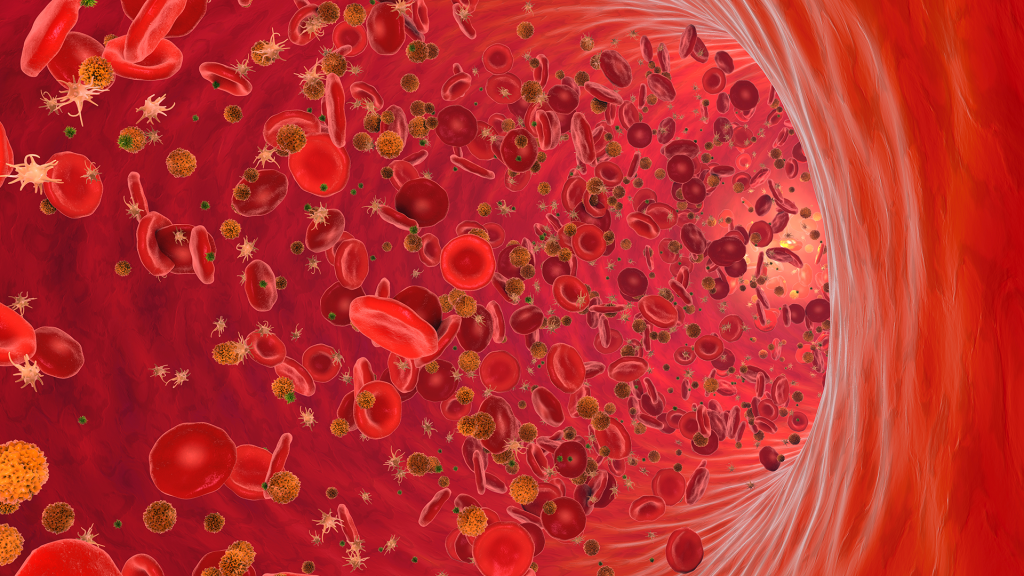
Unlike many cancers that form solid tumors, leukemia is a cancer of the blood-forming cells in the bone marrow.
Dr. Arana Yi says, "Leukemia affects the production of the blood cells and can circulate through all the body from the beginning."
Leukemia isn't a single disease. There are several types that can behave differently. According to Dr. Arana Yi, "It is a group of cancers with different subtypes. Some develop very quickly, while others progress slowly."
Leukemia can affect people of all ages. Symptoms can include persistent fatigue, unusual bruising or bleeding, frequent infections, fever, night sweats, unexplained weight loss and shortness of breath.
"If those are persistent, it is important to review and be evaluated by a doctor for a possibility of a blood count checkup," Dr. Arana Yi mentions.
Research is helping doctors identify genetic changes that may be driving a patient's leukemia. That information can help guide treatment.
Dr. Arana Yi says, "This allows us to use targeted medicines, immune-based therapies, sometimes with less traditional chemotherapy or chemo-free regimen."
Recognizing possible symptoms and seeking medical evaluation can help doctors diagnose leukemia and determine appropriate treatment.
"Recognizing symptoms since the beginning, and early evaluation with the doctors is key to diagnose the acute leukemia as soon as possible," Dr. Arana Yi concludes.