Share this:





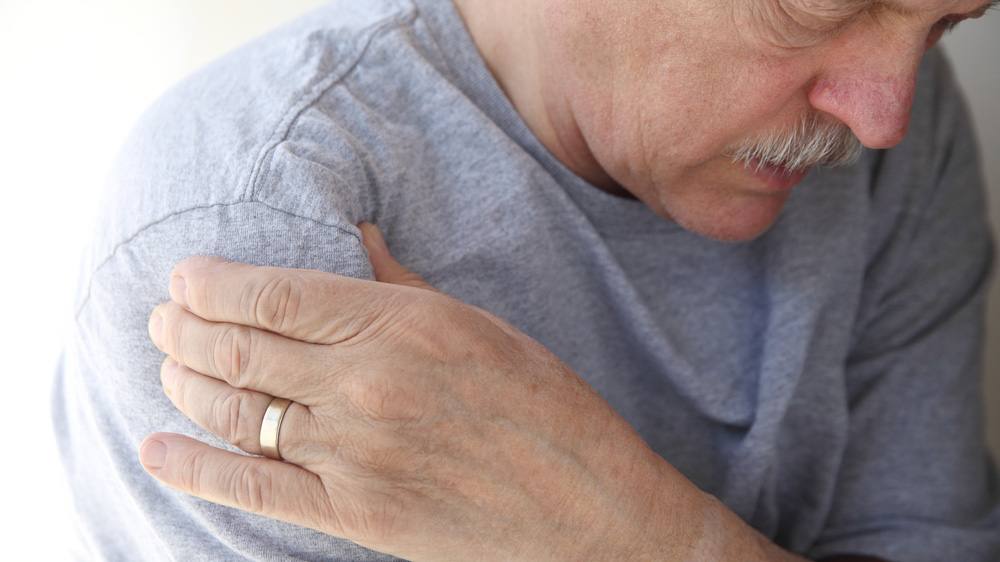
DEAR MAYO CLINIC: I've been diagnosed with a rotator cuff tear. What factors determine the best treatment approach, and what can I expect during recovery?
ANSWER: To better understand whether a rotator cuff tear may require surgery, it helps to first understand what the rotator cuff is and how it works.
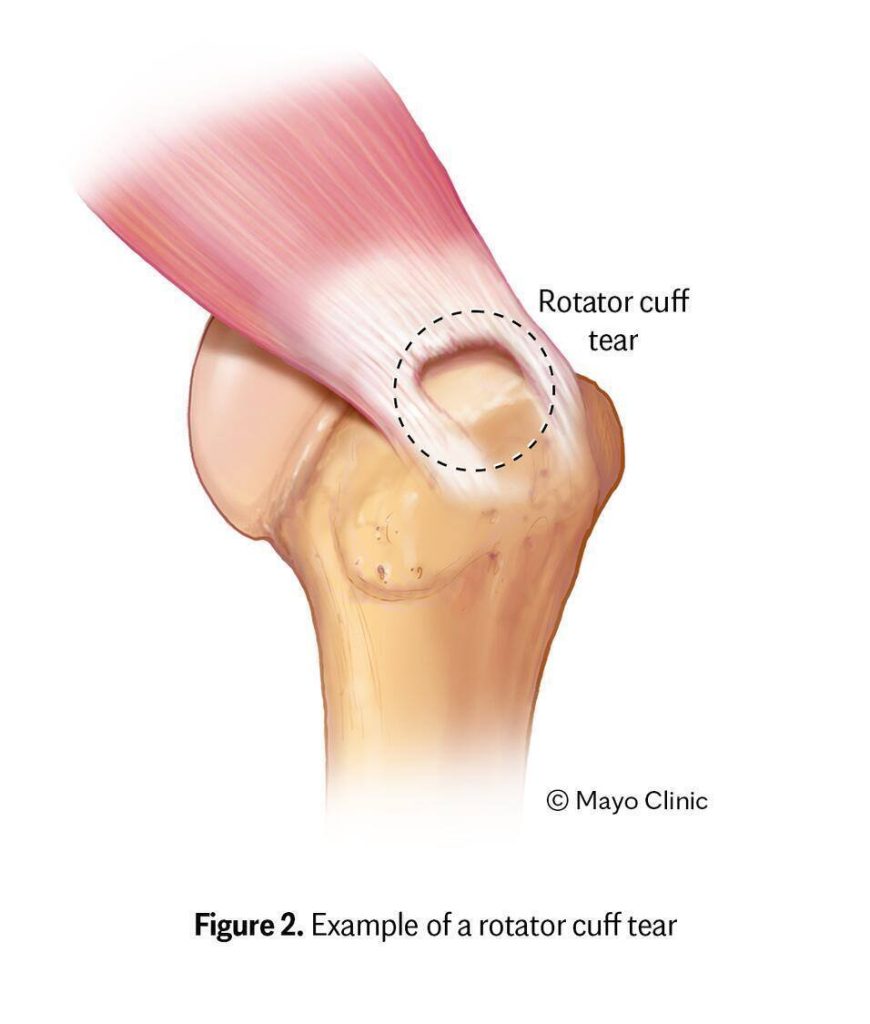
The rotator cuff is a group of muscles and tendons that connects the shoulder blade to the upper arm bone. Together, these muscles help provide shoulder motion, strength and stability. A rotator cuff tear occurs when one or more of these tendons partially or completely detach from the upper arm bone.
Such tears can vary considerably. Some are small and may cause few or no symptoms, while others can lead to substantial pain, weakness and limitations in shoulder function. The best treatment depends on several factors, including the type of tear, your symptoms and your specific circumstances.
What determines treatment for a rotator cuff tear?
How the tear occurred is one of the most important considerations. Tears that happen suddenly because of an injury, known as acute traumatic tears, generally are more likely to require surgical repair.
Chronic tears, which develop over time from wear and tear, often can improve without surgery. The torn tendon itself doesn't heal with nonsurgical treatment, but physical therapy can strengthen and retrain other muscles so they compensate for the damaged rotator cuff.
For a chronic tear, your healthcare professional will consider factors such as:
- How long you have had pain and limitations.
- The size and location of the tear.
- Your age and overall health.
- Whether the shoulder muscles have developed wasting, or atrophy, or have been partly replaced by fat.
Surgery may be recommended when pain and functional limitations continue despite several months of well-executed physical therapy. Surgery also may be considered for a large tear when the muscles remain in good condition, particularly in a younger person, because the goal may be to repair the tendon before progressive muscle loss occurs.
Can a rotator cuff tear heal without surgery?
Physical therapy is the most important element of nonsurgical treatment. Exercises focus on restoring shoulder motion and improving strength to help rebalance the shoulder and compensate for the torn rotator cuff.
Pain can make therapy difficult at first. Over-the-counter anti-inflammatory medicines may help with discomfort for some people. A cortisone injection also may help some shoulders, although multiple repeated cortisone injections should be avoided.
You and your healthcare professional can judge whether treatment is working by assessing improvement in:
- Pain.
- Shoulder motion.
- Strength.
Within about three to four months after beginning a therapy program, you generally should have a better sense of whether this approach is helping.
The most common surgical procedure is a tendon repair, typically performed arthroscopically, meaning through small incisions using a camera and specialized instruments. Some large tears can't be repaired. In those cases, other operations, such as transferring another tendon or performing a reverse shoulder replacement, may be considered.
Recovery after rotator cuff repair takes patience. Typical milestones include:
- First six weeks: Most people protect the shoulder in a sling-like immobilizer.
- After six weeks: Physical therapy focuses first on restoring motion and later, the focus is on rebuilding strength.
- Four to six months: Many patients feel substantially recovered.
- Up to one year: Complete recovery often takes this long.
Protecting the shoulder during the first six weeks and completing the prescribed physical therapy program are particularly important. An injury to the shoulder during early healing can damage the repair.
Before deciding on surgery, ask whether your tear can be repaired and, if so, whether delaying repair could make it irreparable over time. Understanding the type of tear, the condition of the shoulder muscles and the expected recovery can help you and your healthcare professional choose the treatment approach that best fits your situation.
Joaquin Sanchez-Sotelo, M.D., Ph.D., Orthopedic Surgery, Mayo Clinic, Rochester, Minnesota