Share this:






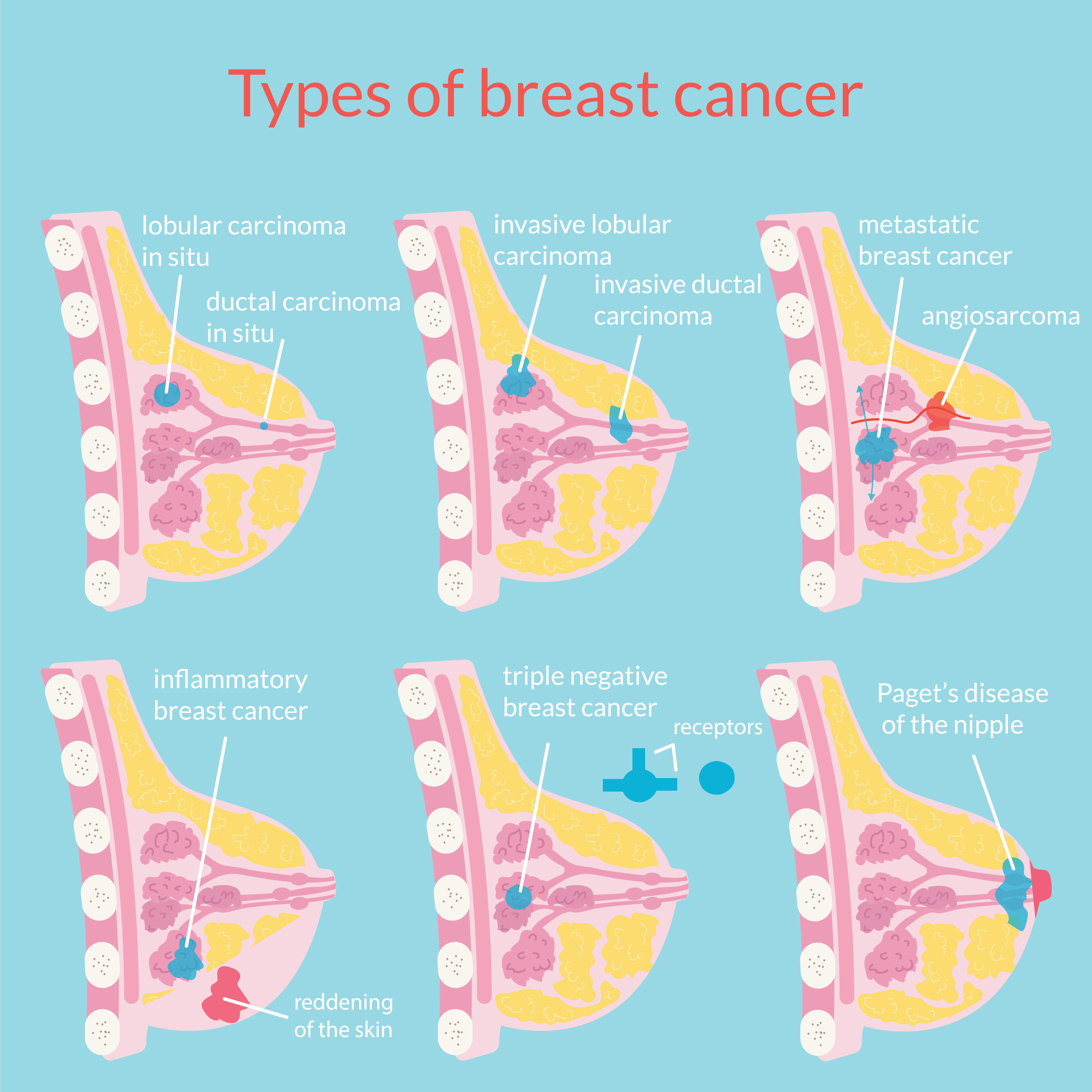
DEAR MAYO CLINIC: My mother was recently diagnosed with breast cancer. Given my family history, when should I consider preventive surgical options, and what do those look like? Are there other risk factors I should be aware of?
ANSWER: Given your family history, it's understandable to think proactively about your breast cancer risk. The good news is that today we have more tools than ever to help people understand their personal risk and choose prevention strategies that fit their goals, health needs and stage of life.
An important first step is meeting with a healthcare clinician experienced in breast cancer risk assessment, such as a breast health specialist at a high-risk breast clinic. Clinicians use a combination of personal history, family history, genetic testing and validated risk-prediction models to estimate your lifetime risk of developing breast cancer.
What factors increase breast cancer risk?
Risk factors may include:
- Age.
- Genetic mutations, such as BRCA 1 or BRCA 2.
- Family history of breast or ovarian cancer.
- Hormonal factors, including age at first menstrual period, pregnancy history and breastfeeding.
- Prior breast biopsies or certain benign breast conditions.
- Breast density on imaging.
Reviewing risk, family history and any genetic results of family members with a genetic counselor may be helpful to determine whether genetic testing may be appropriate for you.
Once your risk is better defined, your care team can recommend a personalized screening plan. For people at higher risk, this may include earlier and more frequent screening, often using breast MRI or other imaging options in addition to mammography.
What are the options for reducing breast cancer risk?
Prevention strategies generally fall into three categories:
Lifestyle approaches. Maintaining a healthy weight, staying physically active, limiting alcohol intake and avoiding smoking can help reduce breast cancer risk. Research shows that combining regular aerobic exercise with strength training offers the most significant benefit.
Risk-reducing medications. Certain medications can lower breast cancer risk by about 50%-70% in select people. These are typically taken daily for several years and may be an option depending on your age, menopausal status and individual risk profile.
Risk-reducing surgery. For some people at very high risk, including those with BRCA mutations, preventive surgery may be considered. A bilateral (double) mastectomy can reduce the risk of developing breast cancer by approximately 90%-95%, although no surgery can eliminate risk entirely. This is a permanent decision that affects appearance, sensation and quality of life, so it’s essential to carefully discuss this with your care team.
When should preventive mastectomy be considered?
Risk-reducing mastectomy can be performed with or without breast reconstruction. There are different approaches to both mastectomy and reconstruction, and eligibility for a particular approach will be discussed by your care team. Options include:
- Total mastectomy, which removes the breast tissue and results in a flat chest wall.
- Skin-sparing mastectomy, which preserves most of the breast skin.
- Nipple-sparing mastectomy, which preserves the skin and nipple-areola complex for select patients.
Robotic-assisted nipple-sparing mastectomy can also be an option for select patients with increased risk of breast cancer who are considering a prophylactic (preventive) mastectomy. This approach also may be used for patients who have early-stage breast cancer with tumors located away from the nipple and skin.
The minimally invasive approach allows the surgeon to remove breast tissue through a small incision near the side of the breast under the arm while preserving the skin and nipple-areola complex. Early experience suggests this technique may reduce visible scarring, improve cosmetic outcomes and improve patient-reported outcomes, such as postoperative physical well-being, while maintaining the same cancer-control principles as other surgical options.
Ongoing evaluation and research continue to refine patient selection and outcomes for this innovative technique.
How do you decide which prevention option is right for you?
Choosing whether, and when, to pursue medication or surgery to reduce breast cancer risk is a deeply personal decision. It also can change over time as circumstances evolve. Factors such as age, menopausal status, plans for pregnancy, family responsibilities and personal values all matter.
Meeting with a breast surgical oncologist, genetic counselor and reconstructive plastic surgeon can help you fully understand your options and feel confident in your decision.
Being proactive about your health is an important step. With individualized care and a thoughtful approach, you and your healthcare team can develop a plan that best supports your long-term well-being.
Jeffrey E. Johnson, M.D., Breast and Melanoma Surgical Oncology, Mayo Clinic, Rochester, Minnesota, and Mara Piltin, D.O., Surgical Oncology, Mayo Clinic, Jacksonville, Florida