-
Research
Small team, big impact: Automation helps relieve symptoms to keep cancer patients out of the ER
Share this:






ROCHESTER, Minn. — For many people living with cancer, symptoms such as pain, anxiety or insomnia can quickly spiral into an emergency room visit. Such visits can be financially costly and take an emotional toll on patients and their caregivers.
A new study led by Mayo Clinic researchers found that using digital check-ins and a remote care team can help patients manage symptoms before they reach a crisis point.
"Our goal was simple but ambitious," says study lead Andrea Cheville, M.D., professor of Physical Medicine and Rehabilitation in the Mayo Clinic Comprehensive Cancer Center. "We wanted to see if automating symptom check-ins and care through the electronic health record could improve patients' lives without adding to the burden on oncology teams. What we found is that this approach not only eased symptoms like anxiety and depression but also kept thousands of patients out of the hospital. That tells us technology can help us successfully extend the reach and efficacy of care."
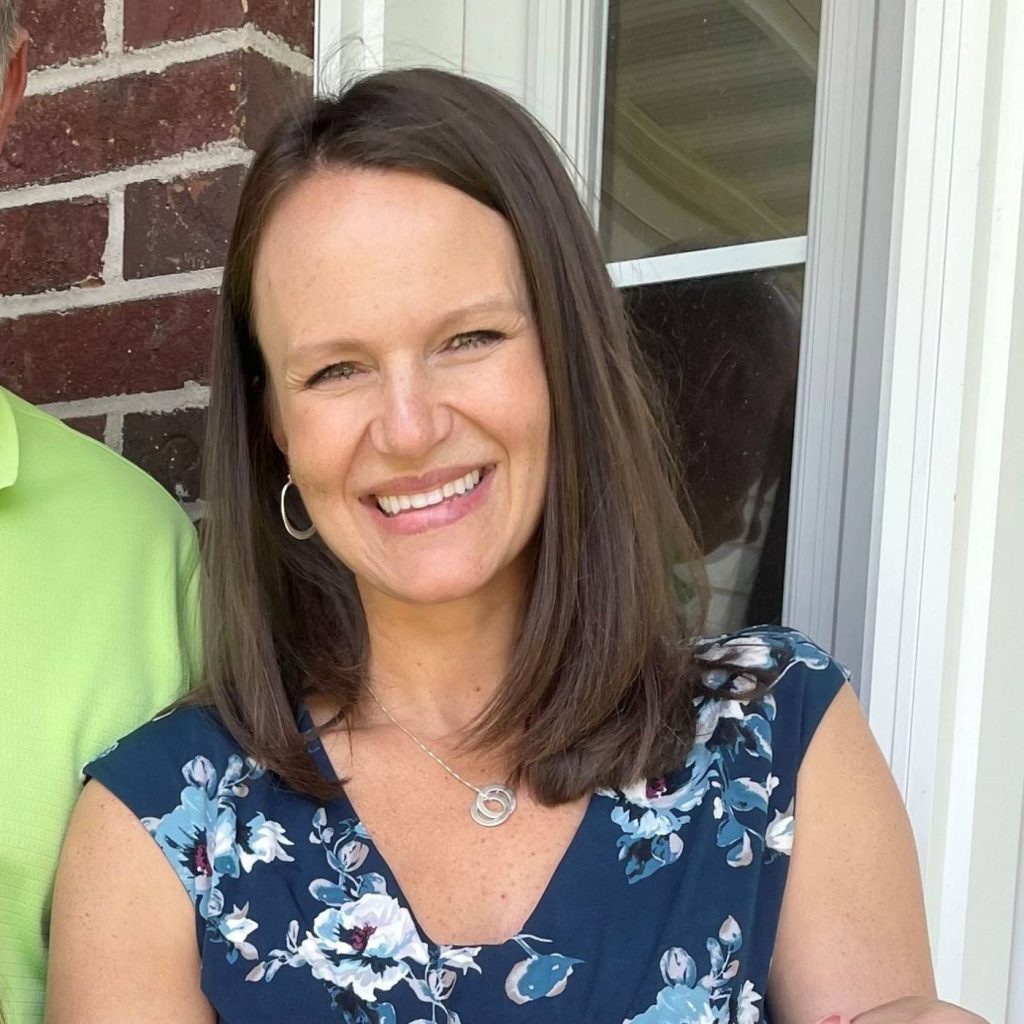
For Becky Johnson, participating in the Enhanced EHR-Facilitated Cancer Symptom Control Trial (E2C2) meant better sleep — despite the anxiety she felt about her double breast cancer diagnosis in 2022 at the age of 40.
"I was continually Googling for more information about treatments, prognosis, new terminology and the experiences of others. And the steroid medications I took for treatment prior to chemo messed with my ability to sleep, too. It got to a point where my body's norm was to wake in the middle of the night and not fall back asleep, taking a toll on my ability to heal," says Johnson, program director for the Mayo Clinic School of Health Sciences Sonography Program.
As part of the trial, Johnson regularly submitted digital surveys about various aspects of her health. Insomnia quickly rose to the top, prompting a phone call from a nurse, who counseled Johnson on ways to get a better night's rest. The nurse also gave Johnson a link to a self-paced online class with sleep strategies based in cognitive behavioral therapy.
"A virtual or phone call visit, especially when I didn't have anything physically wrong, was so convenient and efficient," says Johnson. The intervention helped, and her sleep improved.
To make such interventions possible, the researchers developed automations in the Plummer Chart, the software system that manages patients' electronic health records (EHRs) and helps Mayo teams coordinate care. Between 2019 and 2023, just over 50,200 patients across 15 cancer specialties at Mayo Clinic enrolled in the E2C2 trial. Like Johnson, they filled out short surveys about pain, fatigue, sleep, anxiety and other symptoms before clinic visits or monthly between visits. The system automatically sorted their responses. Mild scores were simply logged, moderate ones triggered the system to send the patient self-care tips, and severe scores prompted outreach by a remote symptom care manager — a nurse or social worker who could work with patients via phone or video.
Behind the scenes, the software became both an automated traffic controller and safety net. For care teams, it routed information to patients automatically so they could focus on the work that required their expertise. For patients, it made getting support easier, with no additional appointments or travel.
The trial results showed that the automated surveys and responses built into the EHR made care more efficient and, ultimately, improved patients' symptoms.
- Patients reported less anxiety and depression, with modest improvements in other symptoms.
- Patients had 40% to 60% fewer acute care encounters, including emergency visits, hospitalizations, and ICU admissions.
All of this was achieved with just 2-3 full-time care managers plus 20 percent of one physician's time supporting more than 50,000 study participants.

The E2C2 trial showcases a new approach to using digital tools in cancer care. By automating routine monitoring and triaging of patient symptoms and well-being through the patient's electronic health record, a small care team can support a large patient population.
"The gains we saw are encouraging and point to a scalable way to extend supportive oncology care beyond the clinic walls, meeting patients where they are," says Dr. Cheville. "The next step is to ensure that these tools are available to healthcare teams, enabling them to efficiently reach every patient who needs supportive care."
The E2C2 trial was funded by the National Institutes of Health, National Cancer Institute (NCI) as part of the Cancer Moonshot℠. The study was conducted as part of NCI’s IMPACT Consortium. Review the study for a complete list of authors, disclosures and additional funding.
###
About Mayo Clinic
Mayo Clinic is a nonprofit organization committed to innovation in clinical practice, education and research, and providing compassion, expertise and answers to everyone who needs healing. Visit the Mayo Clinic News Network for additional Mayo Clinic news.
Media contact:
- Julie Ferris-Tillman, Ph.D., Mayo Clinic Communications, newsbureau@mayo.edu