-
Research
Mayo Clinic uses DNA screening to prevent life-threatening reactions during anesthesia (VIDEO)
Share this:





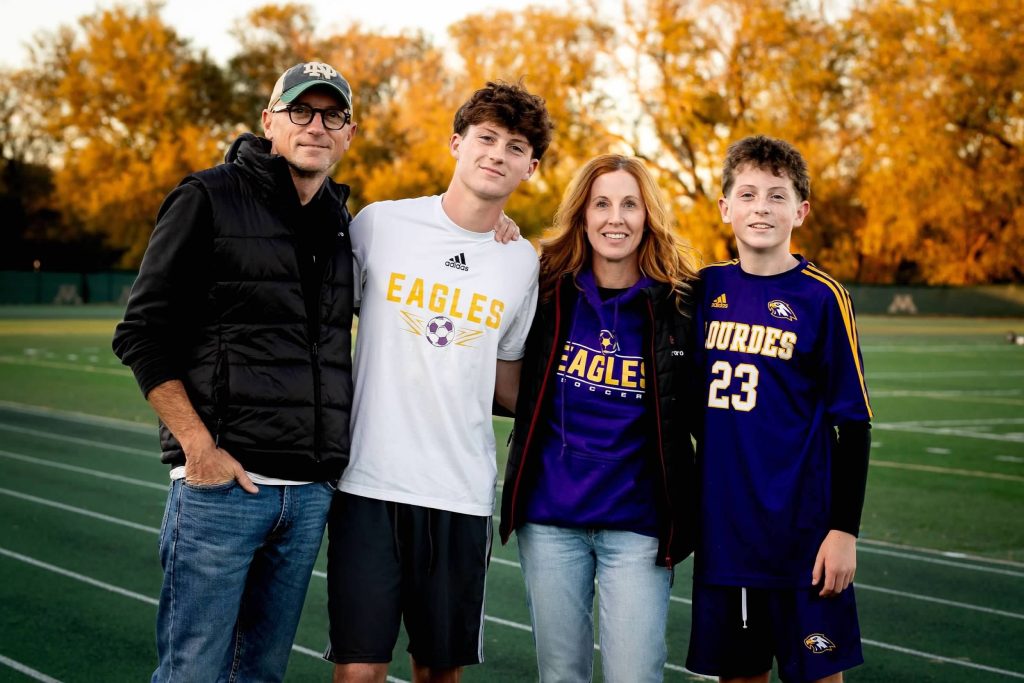
Dr. Adam Jacob has spent his career keeping patients safe in the operating room. As a Mayo Clinic anesthesiologist, he closely monitors every heartbeat and breath, adjusting anesthesia and responding to subtle changes in the body during surgery.
Watch: Mayo Clinic uses DNA screening to prevent life-threatening reactions during anesthesia
Journalists: Broadcast-quality video (3:31) is in the downloads at the end of this post. Please courtesy: "Mayo Clinic News Network." Read the script.
But one risk does not appear on monitors or in a patient's medical history: malignant hyperthermia. The rare, inherited condition can be triggered by certain anesthesia drugs, causing rapid muscle breakdown and a dangerous rise in body temperature.
Without prompt treatment, it can be fatal. Anesthesia teams are trained to recognize malignant hyperthermia, and a lifesaving antidote is kept in every location where anesthesia is administered.
The risk is written into a person's DNA.
An unexpected discovery
Until recently, Dr. Jacob did not know he carried that genetic risk. Like many people with malignant hyperthermia susceptibility, he had undergone anesthesia before without incident — the reaction is only triggered by certain drugs.
"I had no symptoms, no family history and no reason to suspect anything," Dr. Jacob says. "If I hadn't been part of a research study, my first sign could have been an emergency in the operating room."
An estimated 1 in 2,000 to 3,000 people carry genetic susceptibility to malignant hyperthermia, most without knowing it. Actual reactions are less common and can be prevented when the risk is identified in advance.
More than a decade ago, Dr. Jacob donated his DNA as part of a Mayo Clinic research study, with no expectation the data would ever circle back to him personally.
Recent advances in genomics changed that. Through a new study, Dr. Jacob received a letter from Mayo Clinic, followed by a call with a genetic counselor. He learned he carries a variant in RYR1, the gene most commonly linked to malignant hyperthermia.
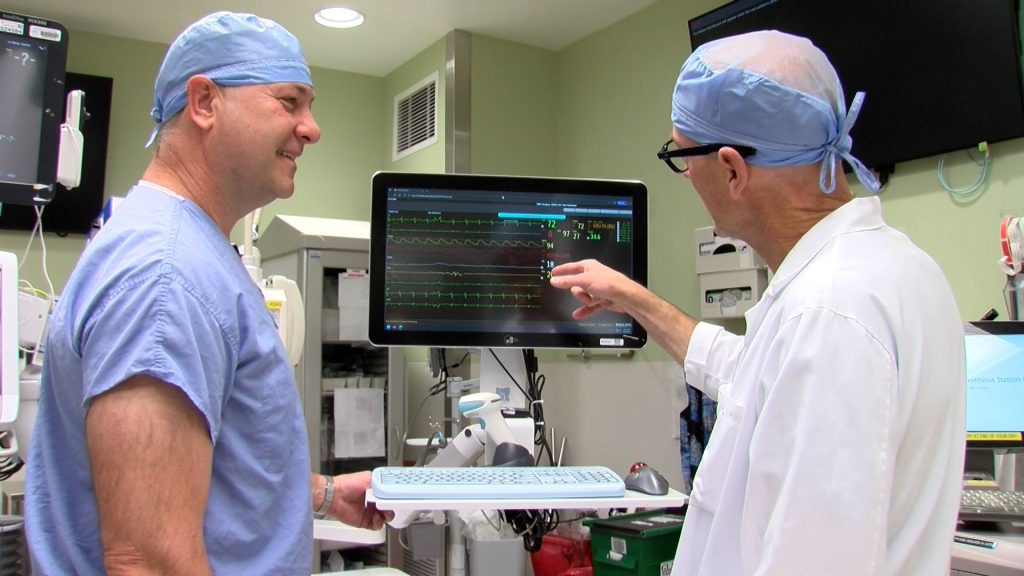
Because the condition is hereditary, Dr. Jacob had his two teenage sons tested. Both carry the same variant. Their medical records were updated to guide future anesthesia care, and they now wear medical ID bracelets.
Dr. Jacob's wife, Kelly Jacob, is a nurse anesthetist, underscoring that even families deeply familiar with anesthesia care can carry this risk without knowing it.
Dr. Jacob's experience also shows how identifying risks in one person can help protect an entire family.
Identifying risk before the operating room
The effort to understand the prevalence of malignant hyperthermia susceptibility is led by Dr. Timothy Curry, a Mayo Clinic anesthesiologist and physician-scientist, and one of Dr. Jacob's longtime colleagues.
Dr. Curry studies genetic risk at scale through Mayo Clinic's Research Data Atlas, a research platform that connects genomic data with clinical records across the institution. In an analysis of nearly 150,000 individuals, he identified 134 people with variants linked to malignant hyperthermia susceptibility, most of whom were previously unaware
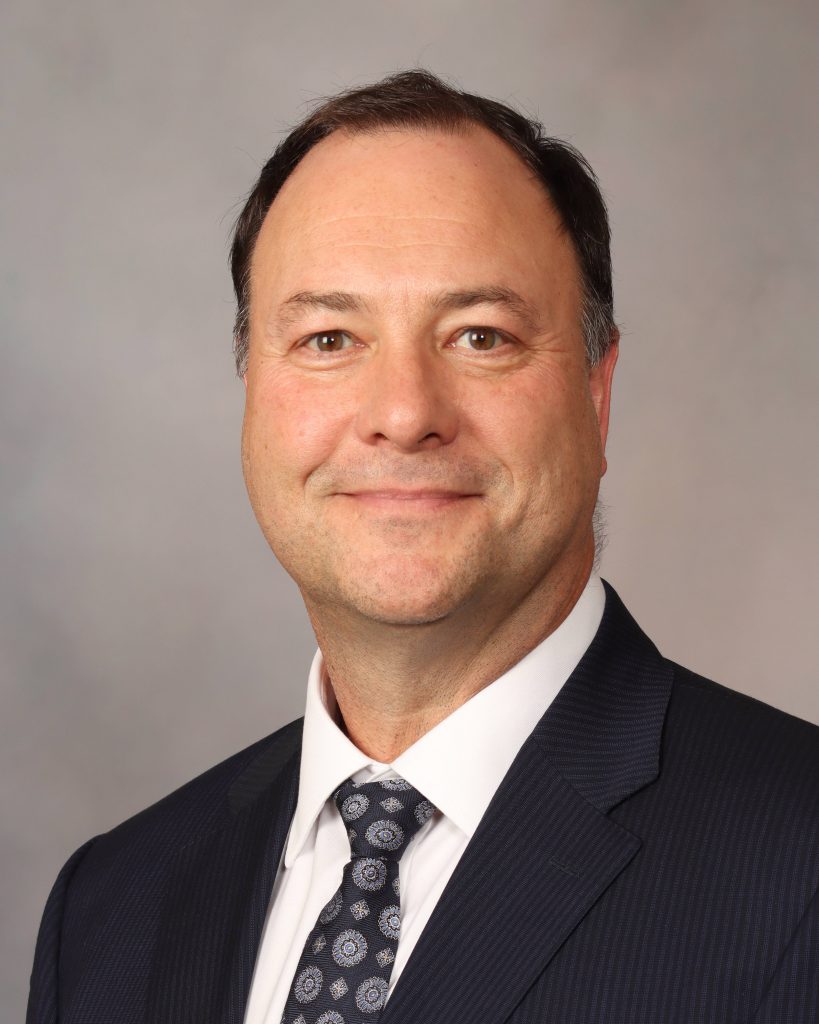
"Traditionally, malignant hyperthermia declares itself in the operating room. By starting with genetics, we're able to find the risk long before that moment, and that opens the door to prevention rather than reaction." - Dr. Timothy Curry
The two physicians trained together early in their careers. When Dr. Curry realized that Dr. Jacob was among those identified, the work became personal, he says.
Dr. Curry's goal is to identify people with previously unrecognized malignant hyperthermia risk before they ever need anesthesia. That early knowledge matters because anesthesia drugs linked to malignant hyperthermia remain essential in emergencies, including trauma cases or when clinicians must quickly secure a patient's airway.
"Traditionally, malignant hyperthermia declares itself in the operating room," Dr. Curry says. "By starting with genetics, we're able to find the risk long before that moment, and that opens the door to prevention rather than reaction."
In parallel, Dr. Curry and his team are reviewing medical records for the people identified to see whether any experienced anesthesia reactions before the risk was known.
Turning genetic findings into clinical guidance
Identifying genetic risk is only the first step. Making sure it informs care requires ongoing education for providers, patients and families.
That work involves Dr. Filippo Pinto e Vairo, medical director of Mayo Clinic's Program for Rare and Undiagnosed Diseases, along with a team of genetic counselors. When a potential genetic risk is identified, this team works with patients and families to confirm the finding and explain what it means for their care. The result is then integrated into the medical record so anesthesia teams can plan future care and avoid triggering drugs.
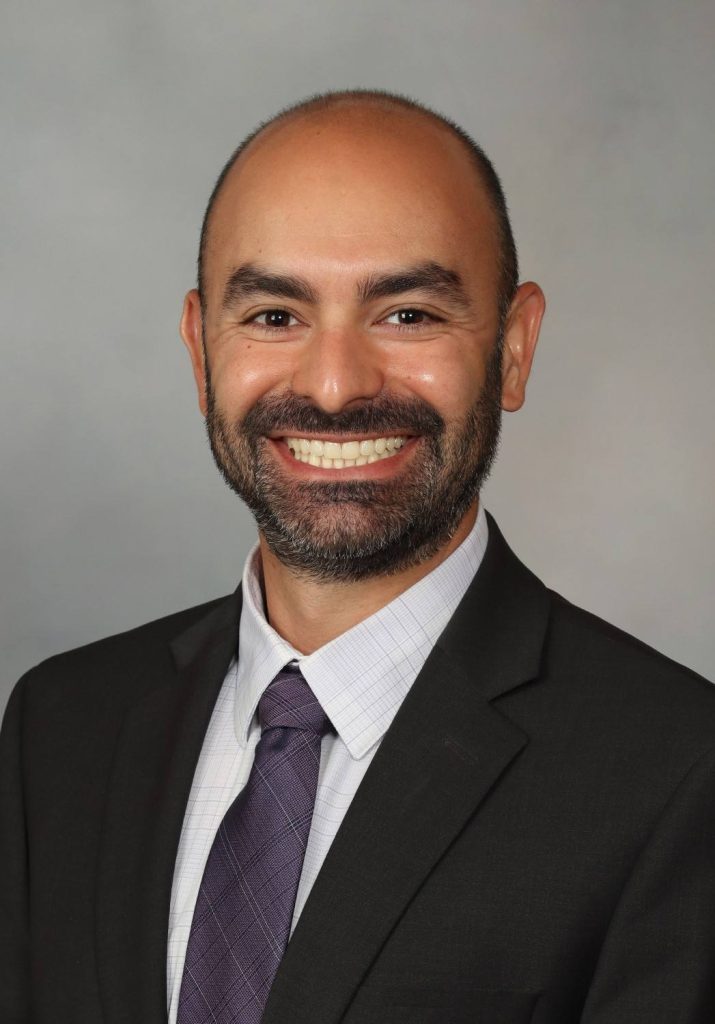
"This is an extraordinary time in genomics. At Mayo Clinic, we're increasingly integrating genomics into clinical care at scale, and it's changing what's possible across healthcare." - Dr. Pinto e Vairo
That same approach extends beyond malignant hyperthermia. Dr. Pinto e Vairo and the team apply it to a growing range of genetic findings that can meaningfully change care.
"This is an extraordinary time in genomics," Dr. Pinto e Vairo says. "At Mayo Clinic, we're increasingly integrating genomics into clinical care at scale, and it's changing what's possible across healthcare."
In addition to malignant hyperthermia, Mayo Clinic researchers are returning genetic results linked to hereditary cancers, heart disease, metabolic diseases and other risks where early knowledge can guide care.
From reaction to prevention
Genetic testing for malignant hyperthermia risk is now incorporated into Mayo Clinic's preoperative care pathways, shifting anesthesia care from reaction to prevention.
For Dr. Jacob and his family, that shift transformed a hidden, life-threatening risk into one that can be anticipated, planned for and prevented.
"This knowledge gives us peace of mind, and a way forward," Dr. Jacob says.