Share this:





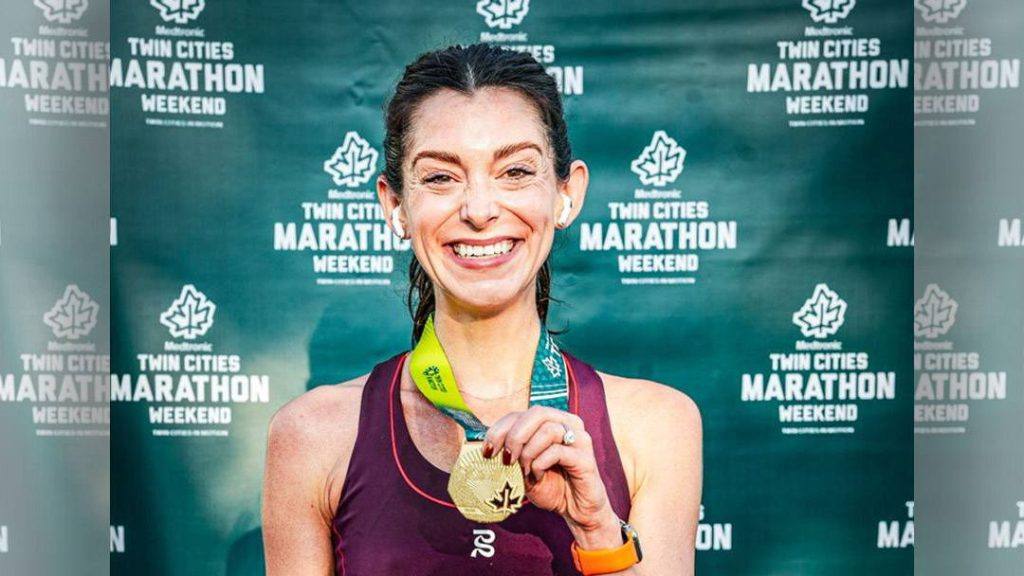
A successful consultant and avid athlete, Lauren lived at full speed — until a leaky heart valve turned life-threatening. Robotic surgery at Mayo Clinic helped her rebound quickly.
As a little girl, Lauren rarely thought about her mitral valve prolapse, a heart condition she'd had since birth. Although the bulging valve caused blood to leak backward in her heart, it didn't stop her from dancing competitively.
"I never experienced it as something wrong with my heart, but as, 'Your heart makes a silly sound,'" she says.
Lauren joined the Notre Dame dance team in college. She began running races, including half-marathons and marathons. She enjoyed pushing her body, and her heart never slowed her down.
In the summer of 2023, that abruptly changed. While running in downtown Minneapolis, Lauren felt unusually exerted. After only half a mile, she slowed to a walk. Was the Taylor Swift concert from two nights earlier catching up with her? "Maybe I'd screamed too hard," she says.
Then Lauren checked her wearable — a gold ring that tracks health data — and noticed a change in her heart rate variability, an indicator of cardiovascular fitness. "It dropped off a cliff, and my heart rate had elevated," she says.
Feeling uncertain, Lauren headed to an urgent care. They reassured her she was the healthiest person they'd seen all month. Yet Lauren continued to feel "off" for weeks.
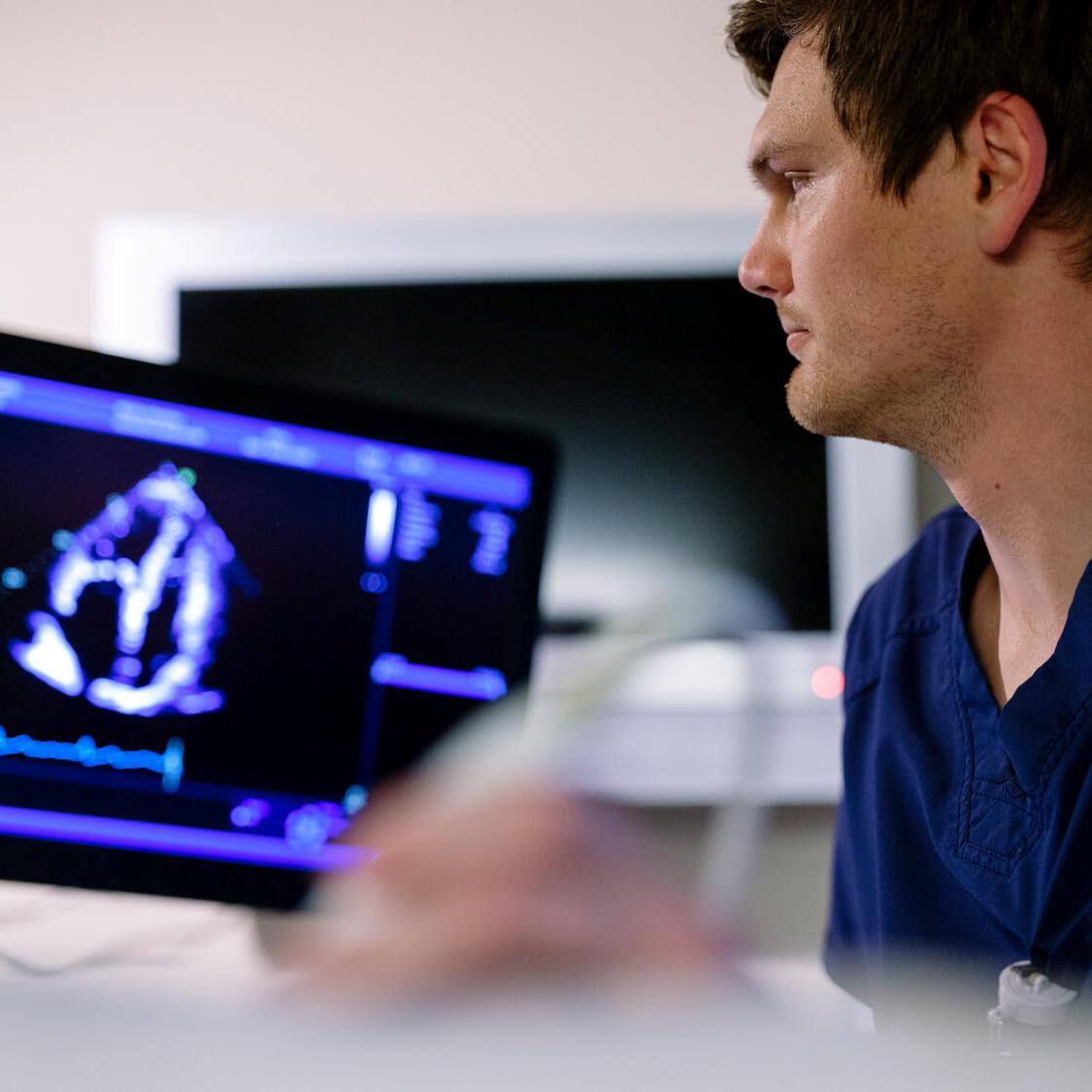
After listening to her heart, her husband, Joe, a cardiologist, suggested an echocardiogram, or heart ultrasound. The scan confirmed his concern — her mitral valve prolapse had progressed, causing the left side of her heart to balloon, a risk factor for heart failure or sudden cardiac arrest. Lauren would need surgery to repair her valve — and she'd need it soon.
"To go from running a 10-mile race at a 7:40 pace to being told the left side of my heart was 40% enlarged didn't seem possible," she says. "Anything I pushed my body to do, I could do. Now, the word 'severe' just echoed in my brain."
Facing the possibility of open-heart surgery, Lauren started searching.
Finding a solution close by
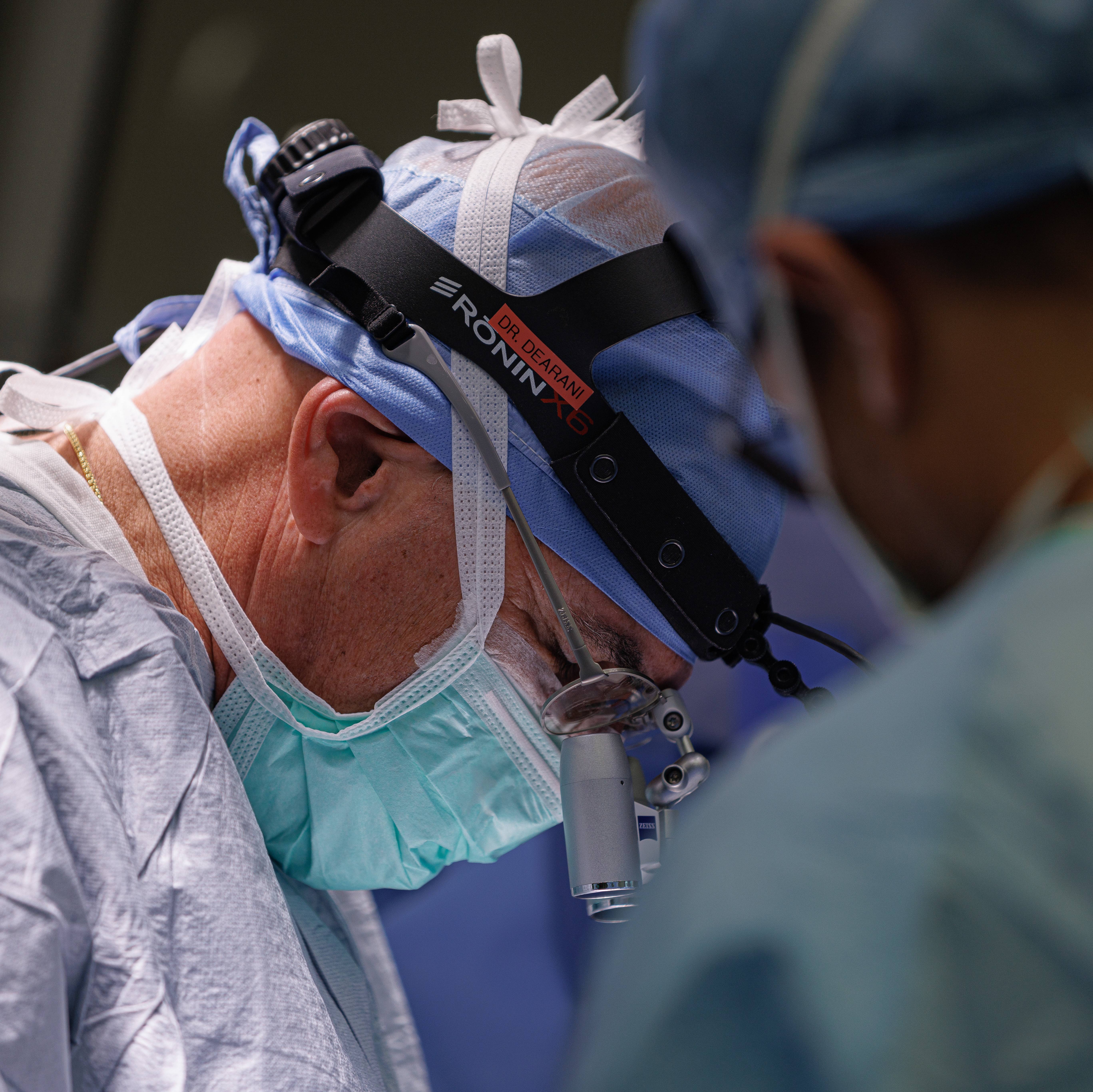
For the last two decades, Mayo Clinic in Rochester, Minnesota, has combined its world-renowned surgical expertise with advanced robotics to offer a less invasive alternative to open-heart surgery. From their medical community, the couple learned Mayo was a pioneer in robotic mitral valve repairs.
"Instead of cutting the sternal bone, we make tiny 'keyhole' incisions on the side of the right chest," explains Dr. Arman Arghami, a cardiovascular surgeon at Mayo Clinic in Rochester. "With the robot, we can provide the same gold standard repair while cutting the recovery in half."
Minimal scarring and a quicker return to daily rhythms and exercise appealed to Lauren. After meeting with Dr. Arghami, she felt confident Mayo was the right choice. "I had like 30 questions, and we talked through every single one," she recalls. "It felt like his focus on me was limitless."
While awaiting her surgery, Lauren kept running to maintain her heart's strength. She also began working with her therapist to build emotional resilience.
As an athlete, "I do a lot of visualizing before a performance or a race," she says. "Since I wasn't going to be the one doing the surgery, I focused my thoughts on having a team of people I trust."
"Thank you, I trust you" became her surgery-day mantra — carefully chosen words of surrender that she repeated to every care team member. During the few seconds of solitude before surgery, Lauren pictured a successful repair one last time.
She was ready to let others fight for her.
Recovering her identity
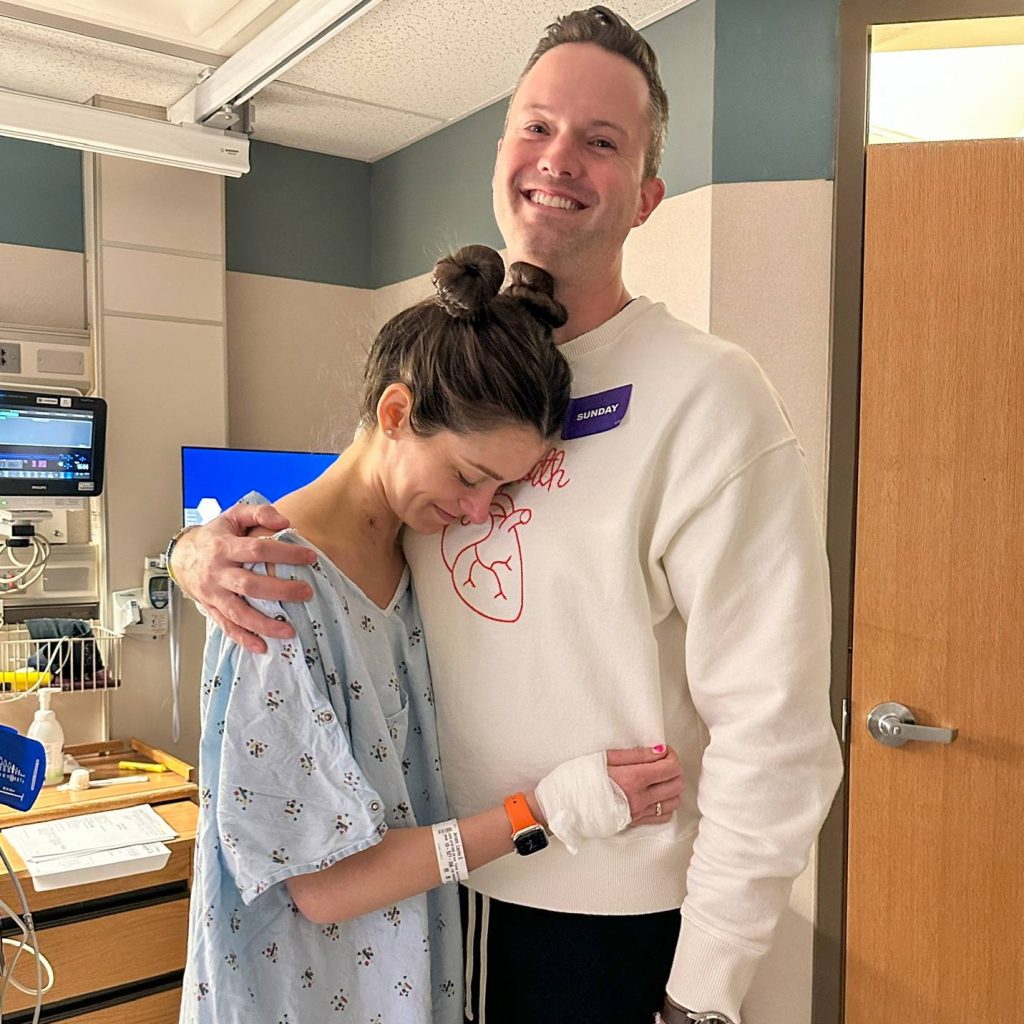
When Lauren woke up, her husband's smiling eyes told her she was OK. Her relief mounted when Dr. Arghami handed her a stethoscope. The rhythmic reassurance of a fully functioning heart had replaced the clicking she'd heard since childhood.
"It's good?" she asked, and Dr. Arghami replied with a smile, "It's very good."
Watching the echocardiogram, her husband marveled that he'd never seen such an effective repair. "My valve was totally torn," Lauren says, "and now it was sealing perfectly."
Less than 24 hours later, she was ready to start moving. With a nurse next to her, Lauren lapped the intensive care unit. That afternoon, she walked herself to the step-down unit.

"I know there was pain from the surgery, but my mind can't drum up that feeling anymore," Lauren says. "What I can access is the memory of listening to my heart, of seeing my echo on the screen, how my nurse made me feel confident. I felt really empowered."
Before her flower deliveries could arrive the next day, Lauren was discharged to go home. Four weeks later, she was back to running. Three months later, she could hold a plank in Pilates class.
While visiting with Dr. Arghami, Lauren eagerly showed him her wearable data. Her heart rate variability was moving back toward baseline. Her heart rate was once again that of an athlete.
"The data so powerfully confirms how my body feels," she says. "I have no limits in my activity or my life."
Lauren also recognizes that freedom is no longer a given.
This sense of vulnerability has nurtured a deeper gratitude for her body and all it allows her to do, including a 10-mile race last fall. Although Lauren didn't train as hard — or run as fast — as she once did, that didn't matter because she was back to doing what she loves.
"I didn't take any of those miles for granted. Crossing that finish line was awesome," she says. "Running and moving through life without worry was the goal, and I got there."