-
Cancer
Mayo Clinic Q&A: Understanding surgical options for oral cancer
Share this:






DEAR MAYO CLINIC: I was recently diagnosed with oral cancer after an unusual lesion was discovered during my last dental exam, and I was referred to an oral and maxillofacial surgeon. What does surgical treatment entail, and will the surgery change my appearance or my ability to speak, chew, or swallow?
ANSWER: Being diagnosed with oral cancer can feel overwhelming, especially when considering treatment options. Because surgery is often central to treatment, it's natural to have questions about what it involves and how it may affect your appearance and daily activities, like speaking, eating and swallowing.
For many oral cancers, particularly those in the tongue, gums, cheeks or jaw, surgery is often the most effective treatment. Surgeons can remove the cancer and, when needed, rebuild the area to preserve appearance and function. Today, care focuses on treating the cancer and maintaining quality of life after treatment.
What happens during oral cancer surgery?
After cancer is confirmed with a biopsy, your care team will complete a detailed evaluation. This typically includes imaging, such as CT or PET scans, to determine the tumor's size and location, and whether it has spread. This process, called staging, helps guide treatment.
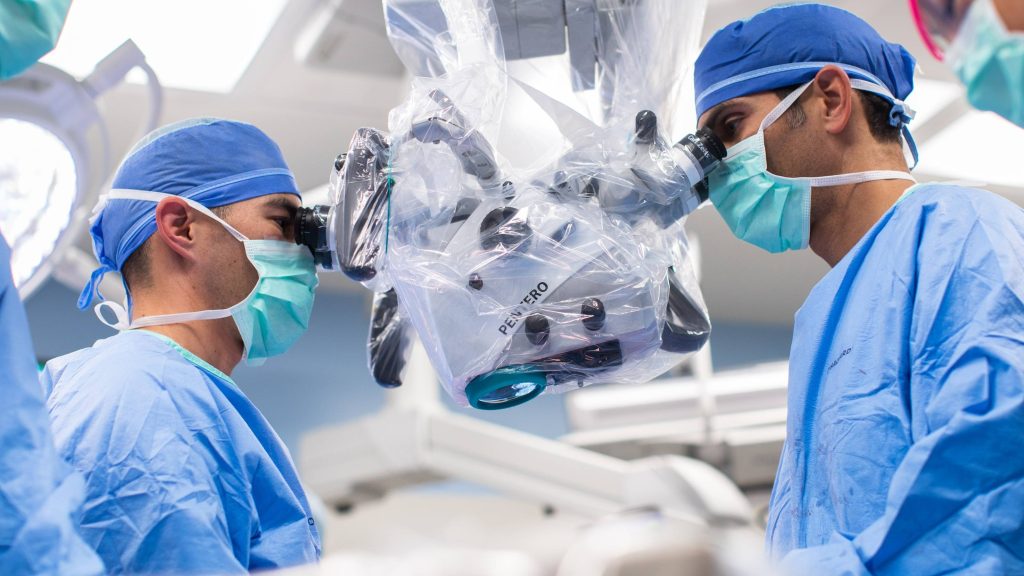
During surgery, the goal is to remove the tumor along with a small margin of surrounding healthy tissue to ensure no cancer cells are left behind. Some centers, like Mayo Clinic, can analyze tissue during the operation using a technique called frozen section pathology to confirm that all cancer has been removed before the procedure is finished. This real-time feedback can reduce the need for additional surgery later.
Because oral cancers can spread through the lymphatic system, lymph nodes in the neck are often evaluated or removed. Examining these lymph nodes, along with the tumor, gives surgeons additional information about the cancer, sometimes called surgical staging. This can determine whether additional treatment is needed after surgery, most commonly radiation therapy, and sometimes radiation with chemotherapy.
How can oral surgery affect appearance and function?
A common concern is how surgery will affect your appearance and the ability to speak, chew or swallow. These are important considerations, given the visible and essential role of your mouth and face in everyday life.
One way surgeons help preserve appearance and function is through advanced planning before surgery even begins. Using detailed imaging, the surgical team can create a personalized plan based on each person's unique anatomy. In some cases, this includes 3D modeling and printed surgical guides and custom titanium implants, which allow surgeons to remove the tumor and rebuild the area with high precision — all during the same operation.
For larger tumors, reconstruction may involve using tissue from another part of the body, such as the leg, arm or shoulder blade, to rebuild areas of the face or jaw. Surgeons use a technique called microsurgery to connect very small blood vessels under a microscope, so the transplanted tissue remains healthy. Once connected, the tissue can help restore both structure and function.
Reconstruction is designed to rebuild what was removed and support everyday activities like speaking, chewing and swallowing. In many cases, this includes planning for dental rehabilitation. If teeth are removed as part of treatment, dental implants are often placed at the time of surgery to support replacement teeth.
By combining cancer removal with immediate reconstruction and dental planning, oral and maxillofacial surgeons aim to help patients return to daily life with as few long-term changes as possible. The goal is to restore both appearance and function so patients can feel comfortable eating, speaking and interacting with others.
Many patients can return to eating, drinking and speaking relatively soon after surgery. However, some may need additional support from speech and swallowing specialists to regain function.
What can patients expect after oral cancer surgery?
Oral cancer care often involves a team of specialists, including surgeons, speech and swallowing experts, and, when needed, radiation and medical oncologists. Coordinating this care closely and starting the right treatments at the right time can make a meaningful difference in outcomes and recovery.
It's also important to remember that treatment is highly individualized. Not every patient will need extensive surgery, reconstruction or additional therapy. Your care team will guide you through what to expect based on your specific diagnosis.
Ultimately, the goal is twofold: to treat the cancer while balancing quality of life. Today's surgical approaches are designed to do both — removing the disease while helping you maintain the ability to speak, eat and engage in daily life.
Because treatment needs vary from person to person, it's important to work with a care team experienced in managing oral cancer. Asking questions and understanding your options can help inform your decisions and make you feel more confident about your care.
Kyle Ettinger, M.D., D.D.S., Oral and Maxillofacial Surgery, Mayo Clinic, Rochester, Minnesota