-
Neurosciences
Mayo Clinic builds on breakthrough discoveries to advance care for ALS and FTD
Share this:






Momentum is growing in the fight against amyotrophic lateral sclerosis (ALS) and frontotemporal dementia (FTD), two devastating neurological diseases now understood to be closely connected. At Mayo Clinic, researchers and clinicians are turning scientific breakthroughs into progress for patients and their families.
Watch: Dr. Bjorn Oskarsson explains work of ALS researchers
Journalists: Broadcast-quality soundbites are available for download at the end of this post. Please courtesy: "Mayo Clinic."
ALS, also known as motor neuron disease and Lou Gehrig's disease, affects nerves, leading to progressive weakness and loss of movement. FTD is a group of brain disorders that affect behavior, personality and language. Although these related conditions usually occur separately, they can occur together and pose significant challenges for patients and families.
While effective treatments remain limited, new approaches are emerging. Patients can receive supportive care to improve quality of life and extend survival, and recent advances include therapies for some genetic forms of ALS. These developments are making diagnostic testing increasingly important to identify potentially treatable causes.
Tools to diagnose ALS
Diagnosis of ALS typically includes a physical exam, medical history and electromyography (EMG), a specialized test of muscles and nerves that detects lower motor neuron degeneration. Mayo Clinic physicians are also using newer tools to improve detection.
"We now have an added blood test, neurofilament light, which is good at detecting ALS," says Bjorn Oskarsson, M.D., a neurologist and director of the ALS Clinic at Mayo Clinic in Florida. "The test measures a nerve protein that leaks into the blood and is significantly elevated in patients with this disease. Another test uses advanced imaging to detect a marker of upper motor neuron degeneration, allowing earlier diagnosis in some patients."
With ultra-high-resolution 7-Tesla MRI imaging, physicians and scientists can identify upper motor neuron degeneration in many people with ALS and help distinguish the disease from similar conditions. These tools, combined with genetic testing, help clinicians make more accurate diagnoses.
Research
Artificial intelligence shows promise in helping patients achieve greater independence. As ALS progresses, patients may lose the ability to speak. Voice-cloning technology recreates a person's voice from a previous recording, helping them continue communicating with loved ones through speaking devices.
This progress builds on a pivotal scientific discovery: In 2011, Mayo Clinic researchers helped discover that ALS and FTD can share a common underlying genetic cause, the C9orf72 mutation. This finding showed that the two conditions are part of a disease spectrum and transformed both research and clinical care. Neurogeneticist Rosa Rademakers, Ph.D., who was on the Mayo Clinic faculty from 2005 to 2019, received the 2026 Breakthrough Prize in Life Sciences for this discovery during her research at Mayo Clinic. She continues to collaborate with colleagues as a supplemental consultant in the Department of Neurosciences at Mayo Clinic.
Mayo Clinic researchers are developing new therapies that target the genetic and biological drivers of ALS and FTD. Clinical trials are underway that focus on treating the underlying disease mechanisms rather than symptoms alone.
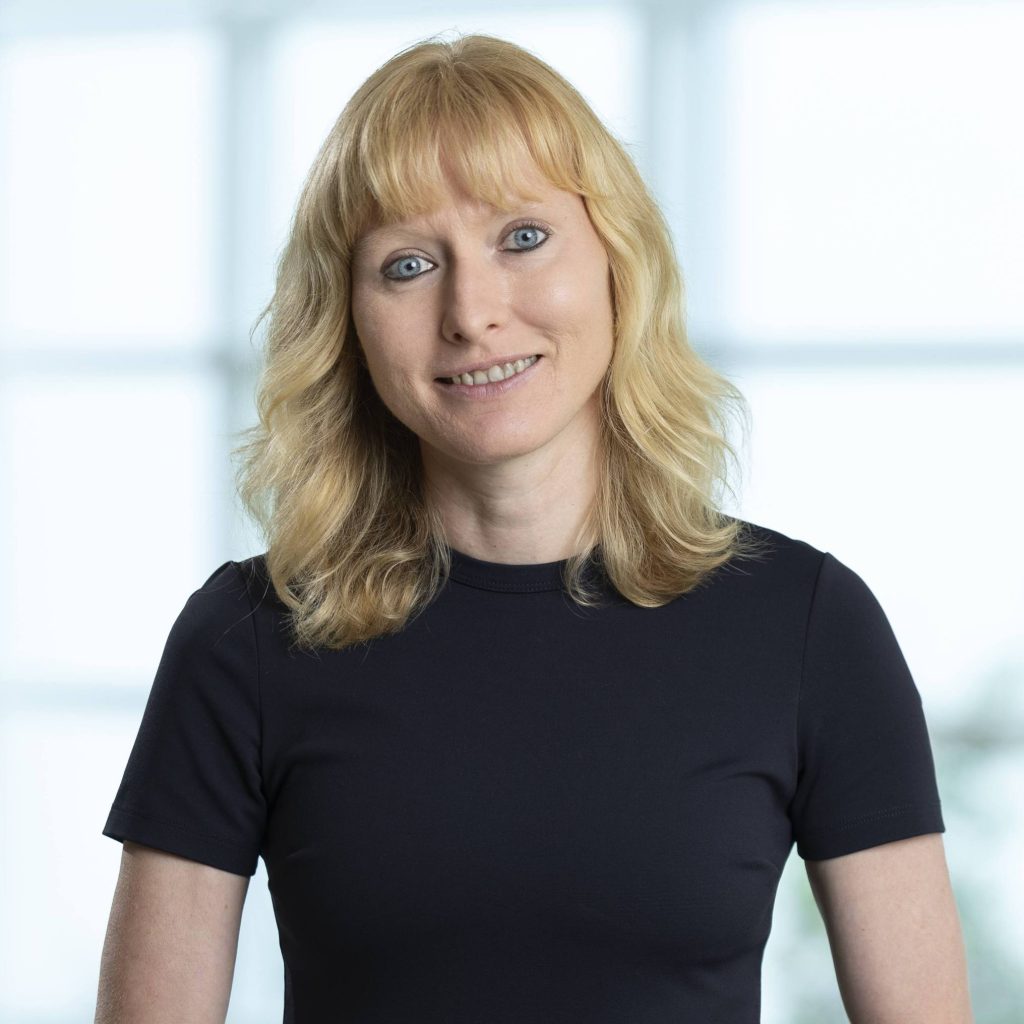
Advances in genetic sequencing are providing new insights. Technologies that can read long stretches of DNA are allowing scientists to study the C9orf72 mutation in greater detail. Research led by Marka van Blitterswijk, M.D., Ph.D., a neuroscientist at Mayo Clinic in Florida, shows that variations in the length of this genetic repeat are linked to when symptoms begin, how quickly the disease progresses and the buildup of harmful proteins in the brain.
"It is a very exciting time to investigate ALS and FTD," says Dr. Van Blitterswijk. "New advances in genetic sequencing now enable us to look at the DNA and RNA at unprecedented resolution, creating tantalizing opportunities that will undoubtedly uncover novel causes, as well as much-needed biomarkers and therapeutic strategies for these debilitating diseases in the foreseeable future."
Researchers are also using advanced RNA analysis to better understand how genes function in diseased brain tissue. These findings could lead to earlier diagnosis and new treatments.

Additional research led by Wilfried Rossoll, Ph.D., a Mayo Clinic neuroscientist, is focused on proteins involved in disease progression. In ALS and FTD, a protein called TDP-43 forms clumps within brain cells. This pathology can disrupt essential functions, such as the cell's internal transport system, which can lead to cell damage or death. Mayo Clinic researchers have found that another protein, KPNB1, may help break apart these clumps and restore normal cell function.
Researchers are also working to identify additional genetic factors that influence ALS risk and progression. This work may improve understanding of neurodegenerative diseases and support the development of more precise clinical trials and targeted therapies.
A deeper understanding of ALS and FTD may lead to earlier intervention, more personalized care and improved outcomes for patients and families.
Related:
- Mayo-clinic-researcher-awarded-breakthrough-prize-for-ALS-dementia-gene-discovery
- Florida dad receives first-in-world ALS treatment
- Mayo Clinic awarded federal grant to study experimental ALS drug
- Mayo researchers, collaborators affirm useful blood biomarker for group of brain disorders in new study
###