Share this:




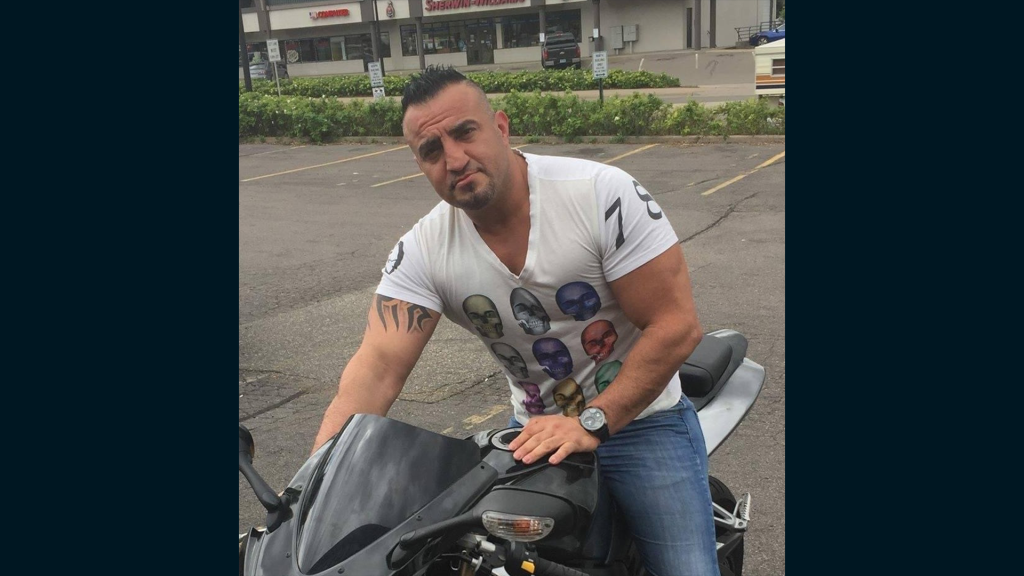
Tony Wazwaz was told he had days to live — until an innovative treatment approach at Mayo Clinic brought his heartbeat back into rhythm.
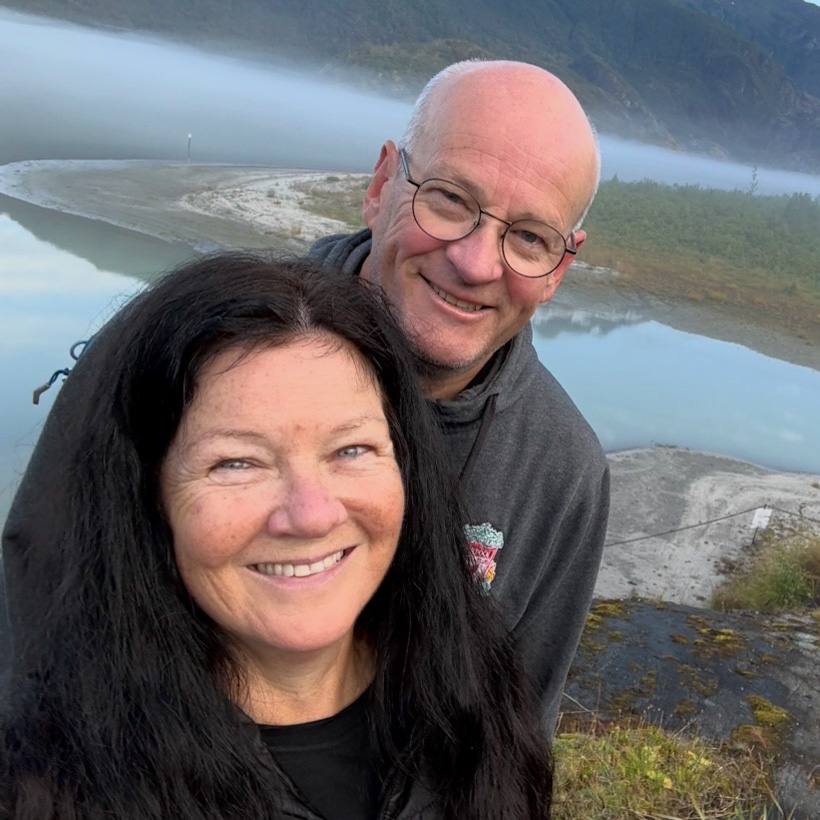
Tony Wazwaz is in his kitchen, cooking for his family. Clipped to his belt, two battery packs hum softly, powering the mechanical pumps inside his chest. One helps move blood to his body. The other to his lungs. Together, they do the work his heart no longer can. He takes his medications, sees his healthcare team regularly, and follows the routines that now keep him alive.
"It isn't easy," Tony says, "but I've never been more grateful."
Not long ago, his doctors in Minneapolis told the 44‑year‑old husband and father of two that no further treatment options remained. After months in and out of the hospital, his condition worsened as both sides of his heart began to fail. Fluid filled his lungs. Swelling spread through his body. Medications and temporary support devices no longer worked.
He was not a candidate for a heart transplant. Doctors told him he had about 10 days to live, and to go home to say goodbye to his family.
"That was the end of the road. There was no more road," Tony says. "But something inside me told me, 'You've got to keep fighting.'"
A new road ahead
Journalists: Broadcast-quality video (2:54) is in the downloads at the end of this post. Please courtesy: "Mayo Clinic News Network." Read the script.
At his mother's urging, he asked for a referral to Mayo Clinic. He made the call, got in the car and they drove to Rochester, Minnesota. He arrived in cardiogenic shock, a life-threatening condition in which the heart can no longer pump enough blood to sustain the body.
Within minutes of reaching the emergency department, his heart stopped.
"I flatlined," he says. "But when I woke up, I was in the ICU at Mayo Clinic, surrounded by a team already working to find a way forward."
Leading that team was Dr. Mauricio Villavicencio, surgical director of Heart and Lung Transplantation and Mechanical Circulatory Support at Mayo Clinic.
Dr. Villavicencio and his team moved quickly to stabilize Tony, ultimately placing him on extracorporeal membrane oxygenation, or ECMO, a form of life support that circulates blood outside the body, allowing the heart and lungs to rest.
"ECMO can keep you alive," Dr. Villavicencio says. "But it doesn't get you out of the ICU. The goal is to find a way to transition to something that allows the patient to recover, leave the hospital and move forward."
For many patients, that path involves a left ventricular assist device, or LVAD, a mechanical pump designed for long-term use that helps the heart move blood through the body. But those devices are designed to support the left side, the heart's main pumping chamber. Durable options to support the right side of the heart are limited. When both sides of the heart are failing, as in Tony's case, there are often no viable treatment options.
'Sign me up'
Dr. Villavicencio proposed something that had never been done at Mayo Clinic: implanting two durable LVADs, one to support each side of Tony's failing heart. He believed the paired devices could get him off ECMO, out of the ICU and potentially onto a path toward heart transplant eligibility.
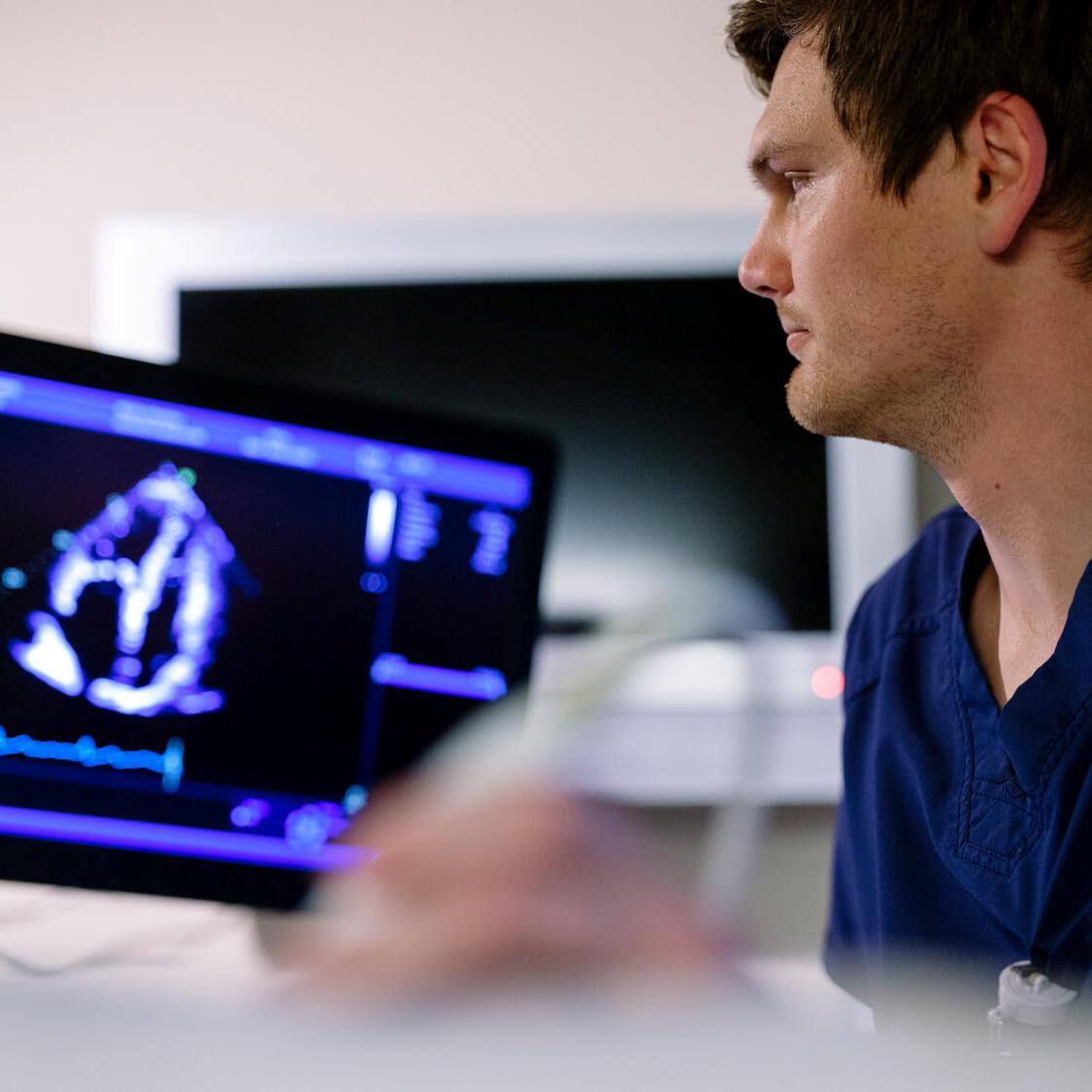
Around Tony, a multidisciplinary team of surgeons, cardiologists, intensivists and nurses weighed the risks. They had spent weeks at his bedside, adjusting care and closely tracking his condition.
"Tony pushed the balance to do it," Dr. Villavicencio says. "And that really made it happen."
For Tony, the choice was clear.
"Sign me up," he says. "I knew this was my chance. From the time I arrived, it wasn't just one doctor, it was the whole team around me. They took the time to talk to me and get to know me. I trusted them."
A bridge to the future
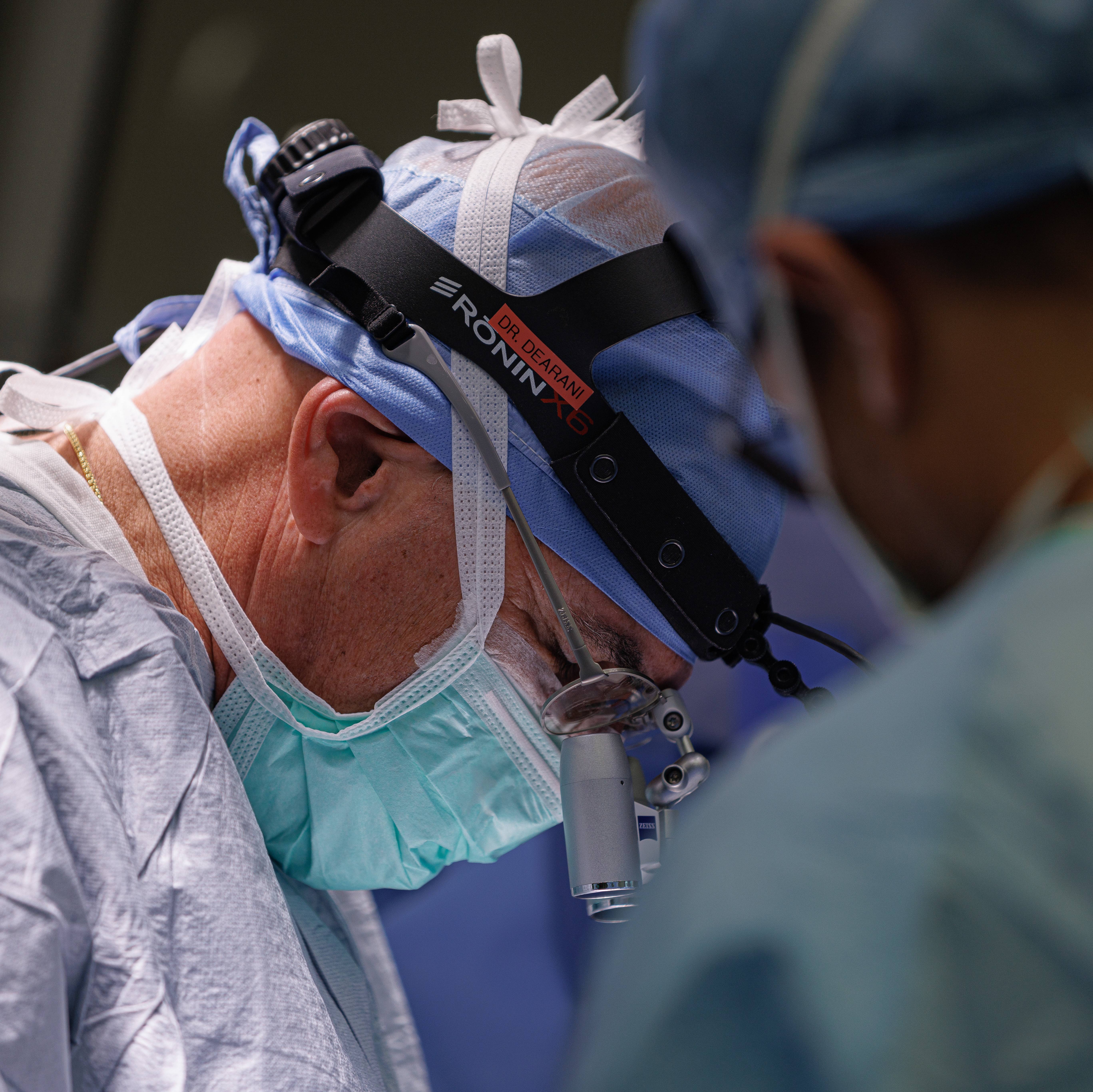
Inside the operating room, the challenge was precision. Each pump had to be carefully balanced. Too much support on one side could overwhelm the other. Too little could send his organs into failure. Throughout the procedure, Dr. Villavicencio and the team adjusted the devices until his circulation stabilized.
With both pumps in place, blood flow steadied through his body. In the days that followed, his condition improved, marking a turning point in his recovery. Weeks after the surgery, Tony returned home.
Now, back in his kitchen, the rhythms of daily life have resumed as he rebuilds his strength and works toward a goal that once felt impossible: becoming eligible for a heart transplant.
"Going to Mayo Clinic saved my life," Tony says. "Dr. Villavicencio gave me another chance and I'm going to make the most of every minute."