Share this:




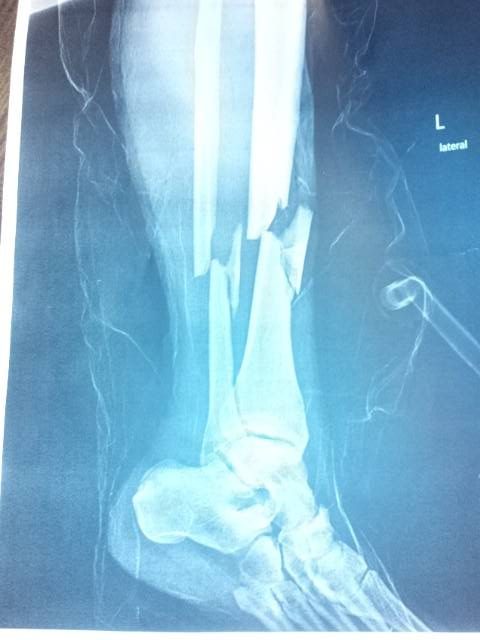
On a cold December night more than a decade ago, a snowmobile crash on a rural Iowa road left Chad Rockow with a shattered lower leg — and months of surgeries, setbacks and pain so severe he considered amputation.
Nearly 13 years later, he learned the accident had set something else in motion: a Mayo Clinic discovery of a hidden, inherited disease affecting his entire family.
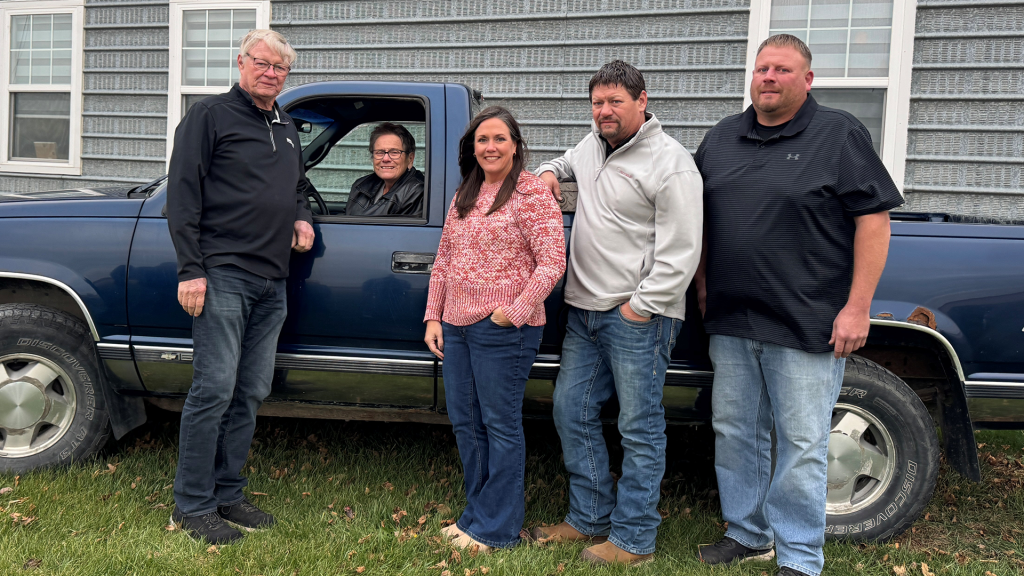
"At the time, the accident felt like the worst thing that could happen," Chad says. "My career, my life, everything turned upside down. But now I see it as the best thing because it may have saved my life, my sister's life, my brother's life and my dad's."
Watch: Chad's story | Videography by Kevin Sullivan, Mayo Clinic
Journalists: Broadcast-quality video (3:37) is in the downloads at the end of this post. Please courtesy: "Mayo Clinic News Network." Read the script.
The reason for the phone call traces back to Chad's recovery. When his leg failed to heal properly, Chad came to Mayo Clinic for specialized care. During treatment, he enrolled in the Mayo Clinic Biobank, donating a blood sample and joining tens of thousands of volunteers helping researchers unlock the genetic roots of disease.
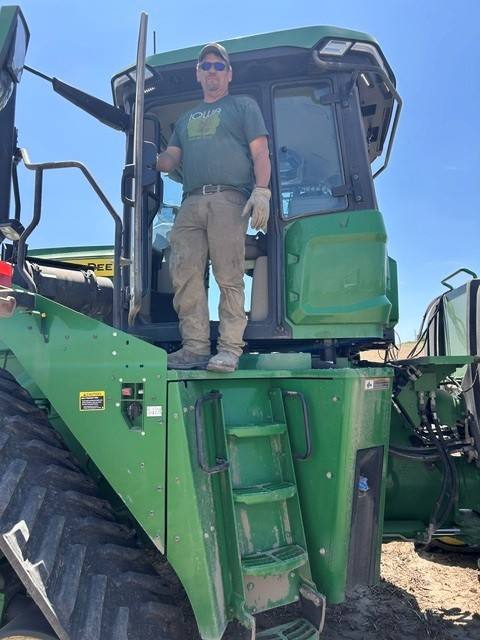
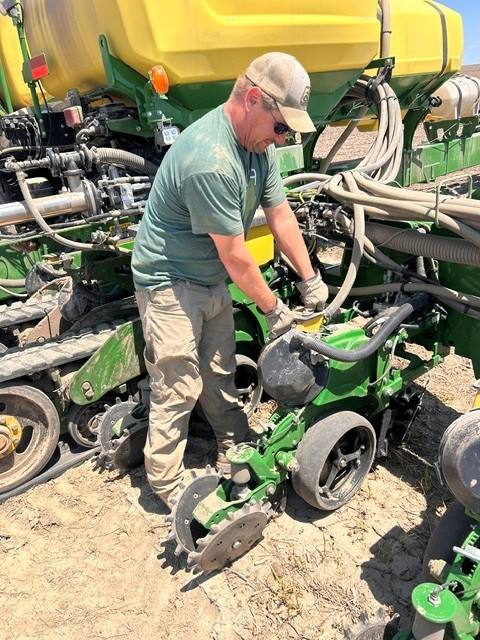
His leg eventually healed, and Chad returned to life on his Iowa farm, rarely thinking about the blood sample he had left behind.
A life-changing phone call
Nearly 13 years later, his phone rang.
On the line was a Mayo Clinic genetic counselor. Researchers had identified a rare inherited mutation in a gene called SDHD. The mutation is linked to paraganglioma-pheochromocytoma syndrome, a condition that can cause tumors to form, often without symptoms.
Some remain slow-growing for years. Others can become life-threatening if not caught early.
"I remember thinking, 'This can't be me,'" Chad says. "I had zero symptoms."
But as the counselor explained how the mutation is passed down, pieces of his family's history began falling into place.
Years earlier, his father had undergone surgery to remove tumors from his neck. Other relatives had faced similar diagnoses. One had suffered a devastating stroke after a tumor wrapped around a carotid artery.
Chad added his father to the call and gave permission to review decades-old medical records. There it was, buried in surgical notes: paraganglioma tumors.
"That's when the hair stood up on the back of my neck," Chad says. "Everything connected."
Follow-up clinical genetic testing confirmed the mutation across the family. His father tested positive first. Then Chad. Then his brother and sister — none of whom had any symptoms.
Targeted imaging revealed that the mutation had already left its mark on all four of them. Chad had three tumors in his neck, including one wrapped around a carotid artery.
His father's tumors have returned decades after his original surgeries. His sister has two tumors in her neck. His brother faces the most advanced disease, with multiple tumors, including a cancerous tumor near the skull and spine.
Chad and his brother have since undergone surgery at Mayo Clinic, with additional surgery planned for his brother. His father continues treatment there, and all four family members remain under specialized surveillance.
From biospecimens to breakthroughs
When the Mayo Clinic Biobank began enrolling volunteers in 2009, the sequencing technologies that would one day reveal Chad's mutation didn't yet exist.
"We never would have dreamed this was possible at that time to do the kind of research that we can do now," says Dr. Janet Olson, an epidemiologist who helped build the Mayo Clinic Biobank and now serves as its principal investigator.
"It took years to recruit the patients, collect the samples, extract the DNA and build the infrastructure," Dr. Olson says. Now we're getting back those gold nuggets, and Chad's story is a great example of one of those gold nuggets.”
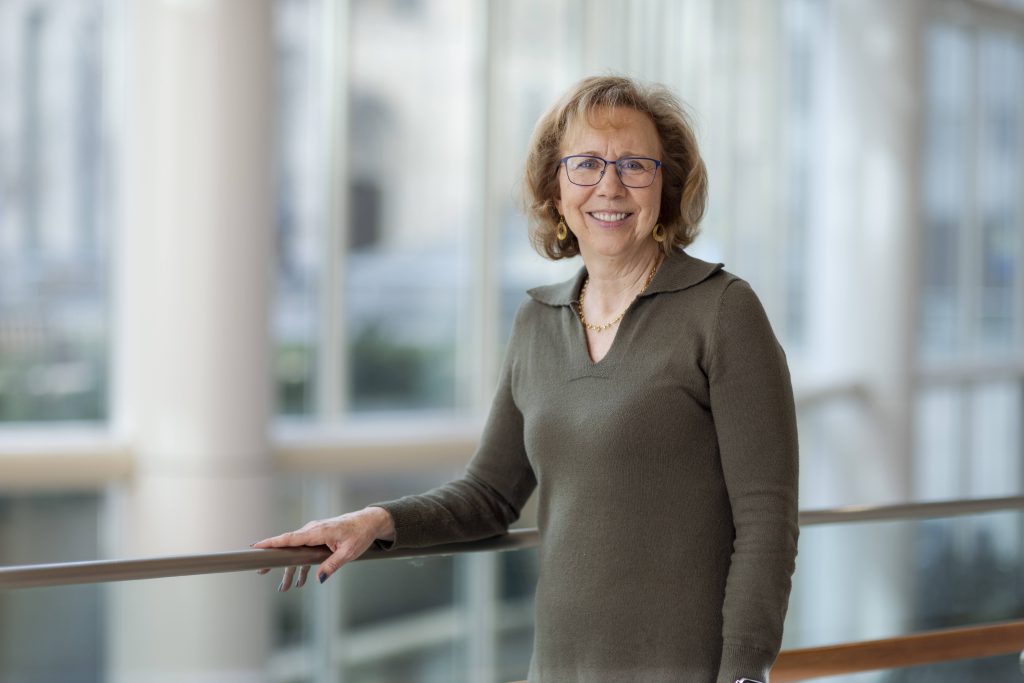
What started as a research resource — linking blood samples, DNA and health data from thousands of volunteers — has become a powerful engine for discovery, supporting more than 500 studies.
Each sample contains layers of information such as DNA, serum, plasma and white blood cells, offering different windows into human health. Over time, when linked with medical records, these samples evolve into a powerful resource, enabling deeper understanding of disease, identifying risk and accelerating discovery.
One of the Biobank's most ambitious efforts focused on the DNA contained within those samples. Mayo Clinic Biobank Project Generation analyzed genetic data from more than 52,000 participants, searching for variants tied to 78 medically actionable conditions, including cancers and cardiovascular diseases where early detection can change outcomes.
The project ultimately identified Chad's mutation and has offered results to nearly 1,000 participants whose findings could directly affect their health.
A gold mine of discovery
Dr. Olson describes the Biobank as a "gold mine" built through years of scientific investment — and patient trust.
"It took years to recruit the patients, collect the samples, extract the DNA and build the infrastructure," Dr. Olson says. "Now we're getting back those gold nuggets, and Chad's story is a great example of one of those gold nuggets.”
Chad's story illustrates the vision behind Precure Research, Mayo Clinic's initiative to identify disease before symptoms appear and intervene earlier, when treatment has the greatest chance to change outcomes.
For Chad, the mutation may always be part of his family's story, but he hopes it will no longer define their future. For the first time in generations, his family can see it coming.