-
Research
Mayo Clinic leaps into medicine’s next era with Precure Research
Share this:





Mayo Clinic researchers are uncovering the earliest shifts in disease biology — long before symptoms appear — revealing how disease takes root and opening new possibilities to change its course.
By the time a disease is diagnosed, it may have been developing silently for years. Along the way, the body leaves clues: proteins shift, metabolism changes, immune responses evolve, and environmental exposures leave measurable traces. Until recently, many of these early signals were impossible to detect.
Mayo Clinic researchers are now charting that hidden period between health and disease — a new frontier in medicine that could transform how conditions such as Alzheimer's disease, heart failure, pulmonary fibrosis, chronic liver disease and chronic kidney disease are identified and intercepted before symptoms emerge.
The new Mayo Clinic initiative, called Precure Research, brings together biospecimens, advanced biological data, environmental health research, longitudinal clinical data, wearable technologies and artificial intelligence (AI) to better understand how disease begins, predict risk earlier and create new opportunities for prevention.
"Precure Research marks the beginning of the next era of scientific discovery and its translation into patient care."
Dr. Konstantinos Lazaridis
A glimpse of what's possible
The initiative is already generating discoveries. Mayo Clinic scientists have identified inherited risks for cancer and cardiovascular disease in nearly 2,000 people — many of whom had no previous indication they were at risk. Other studies have shown that certain precancerous changes can be detected years before cancer develops. AI can help clinicians identify signs of pancreatic cancer years before diagnosis, while subtle biological changes linked to Alzheimer's disease begin decades before memory loss. Mayo Clinic researchers are using AI, genetics and wearable technologies to reveal inherited heart disease before heart failure.
"Precure Research marks the beginning of the next era of scientific discovery and its translation into patient care," says Konstantinos Lazaridis, M.D., the Carlson and Nelson Endowed Executive Director of Mayo Clinic's Center for Individualized Medicine and director of Precure Research. "We are building the analytical and clinical tools needed to investigate questions that medicine has long recognized but has not been able to fully answer in ways that directly benefit patients."
The invisible years before diagnosis
The initiative combines data from genes, proteins, metabolites, clinical records, wearable devices and environmental exposures to create a comprehensive view of how health changes and disease develops over time.
Underlying Precure Research is a new Mayo Clinic research ecosystem designed to study health and disease at an unprecedented scale. The initiative aims to build Mayo Clinic's largest integrated collection of biospecimens and scientific and health data to accelerate disease prediction and prevention.
Biological samples become data, and data becomes insight into the mechanisms of disease. Those insights drive the discovery of new biomarkers and therapies while informing smarter clinical trials.
AI helps researchers power that transformation, analyzing billions of data points simultaneously to reveal patterns that would otherwise remain invisible.
"Genomics showed us the blueprint, the underlying architecture of human biology," Dr. Lazaridis says. "Now we're watching that structure in motion — shifting, adapting, unfolding over time, shaped by the world around us and inside us, ultimately influencing the unique lives we each live."
A lifetime of exposures

Disease is shaped by more than genetics alone. Across a lifetime, environmental and lifestyle exposures leave biological changes that accumulate over time. Scientists call this the exposome: the sum of those exposures and their effects on human biology.
These influences range from air, water and diet to pollutants, heavy metals, pesticides, physical activity, sleep, stress, noise and light.
"The air we breathe, the food we eat and the places we live leave a biological imprint," Dr. Lazaridis says. "Understanding those accumulated influences is essential to understanding why disease develops in one person and not another."
Researchers can now measure many of these exposures directly in blood and other biospecimens. Early efforts focus on heavy metals, pesticides and microplastics, linking those findings with geographic data to better understand how the places people live may influence their long-term health.
The exposome also captures protective influences, including nutrients and bioactive compounds that may support resilience and regulate inflammation, aging and metabolism.
A new vision for medicine
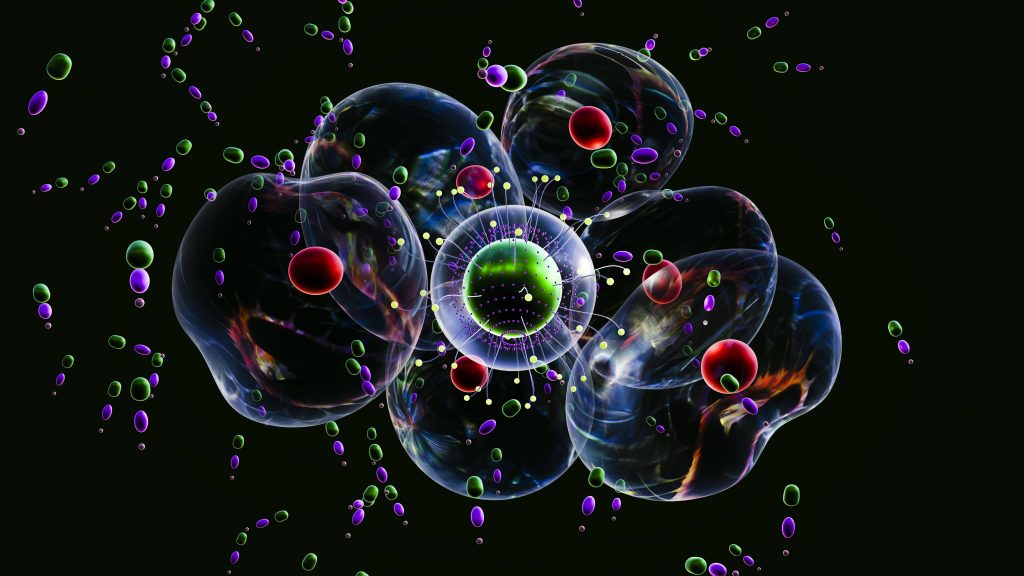
The initial focus of Precure Research includes diseases of the brain, heart, kidneys, liver, and lungs, and their intersection with biological pathways such as inflammation, oxidative stress, aging and metabolic dysfunction.
Its long-term aim is to extend healthspan — the number of years people live in good health, free from chronic disease and disability — by addressing the drivers of chronic disease.
Precure Research is part of Mayo Clinic's Bold. Forward. strategy to Cure, Connect and Transform healthcare — helping define a future where disease is identified earlier, understood more completely and intercepted before it takes hold.