-
Education
Mayo Clinic pathway programs help students turn career exploration into healthcare careers
Share this:





As students across the country return to classrooms and campuses this fall, many are building on experiences they had over the summer. For some learners at Mayo Clinic, those experiences meant exploring healthcare careers, conducting research and connecting with mentors who helped them imagine new possibilities for their futures.
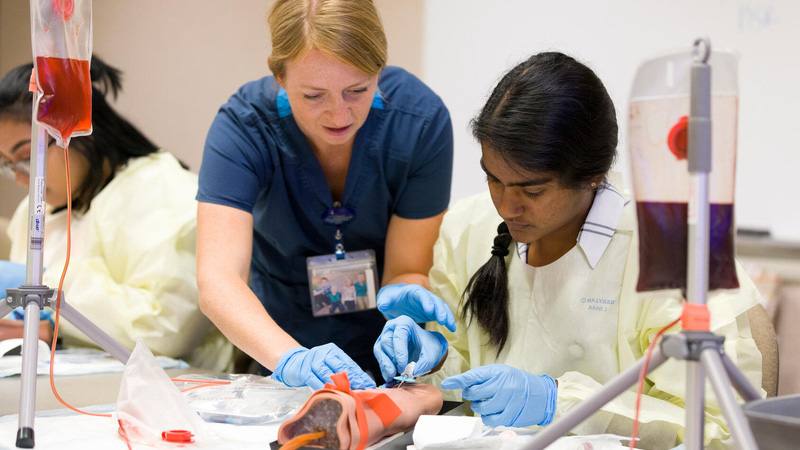
The path to a career in healthcare rarely begins with a fully formed plan. More often, it starts with an experience that sparks curiosity and helps a student see what's possible. Through pathway programs in Minnesota, Arizona and Florida, Mayo Clinic provides hands-on learning opportunities that help participants explore potential futures in medicine, science and healthcare.
"Our pathway programs help learners discover where their interests and talents can make the greatest impact," says Nneka I. Comfere, M.D., Waugh Executive Dean of Education. "By creating meaningful opportunities at pivotal moments in their educational journeys, we're helping students explore possibilities, develop purpose and gain the experiences and connections that can shape where they go next."
By helping students discover their potential and giving them opportunities to build on their interests, these programs are one way Mayo Clinic is investing in the people who will shape the future of healthcare.
Discovering possibilities
Many participants first encounter careers they had never considered through these programs. Others gain research experience and forge relationships with professional mentors, giving them the confidence to pursue a path that once felt out of reach.
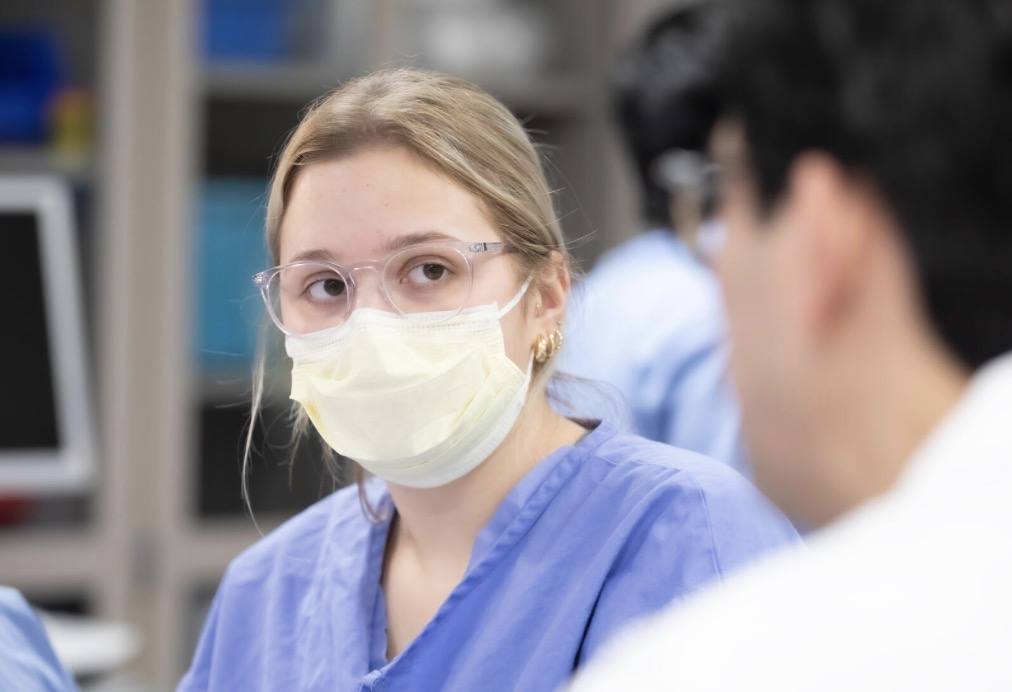
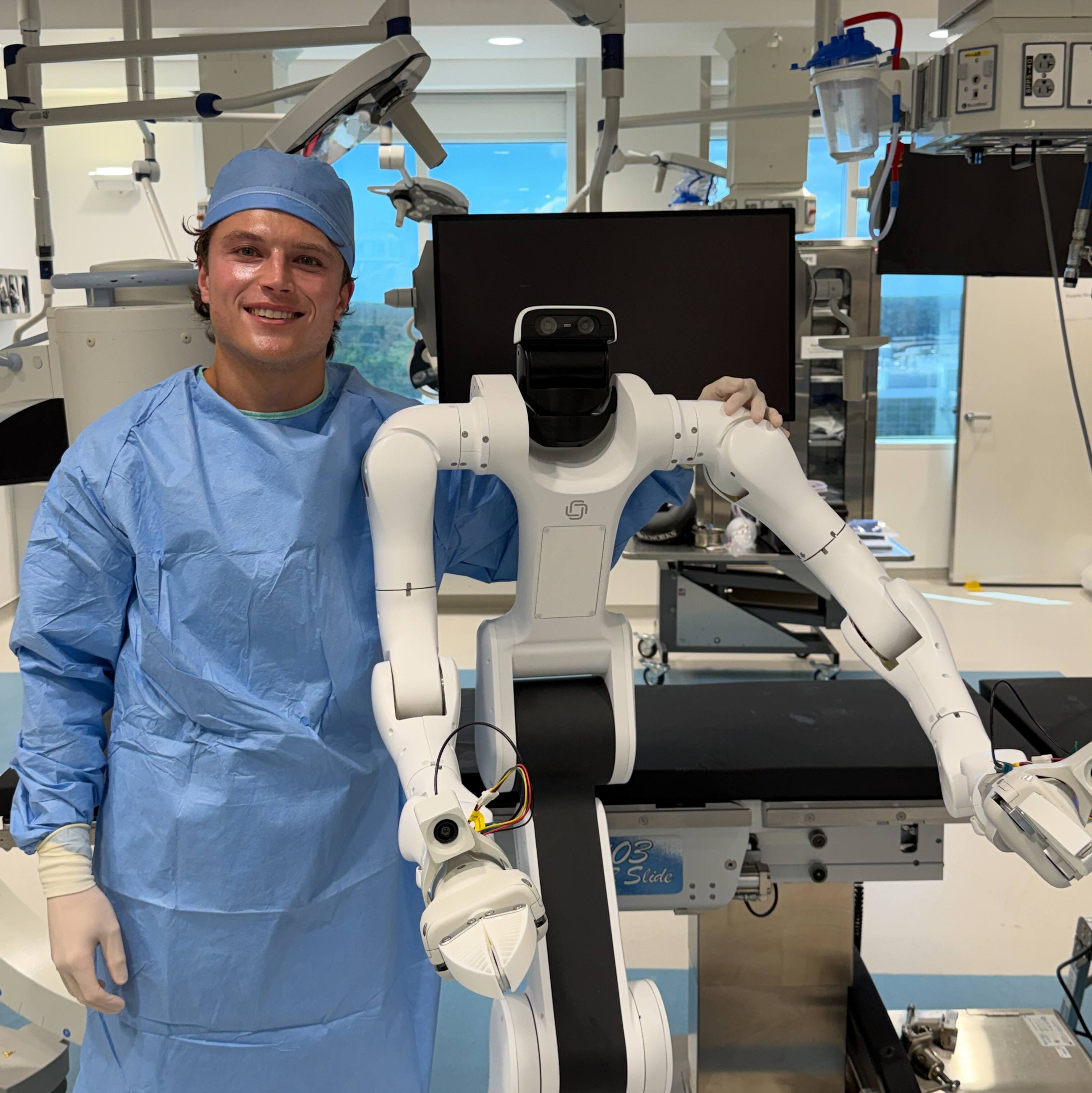
For Sam Rudnick, that discovery came through firsthand experiences. As a high school student participating in Rochester's Career Immersion Program (CIP) in 2019, Rudnick was introduced to the surgical assistant role through job shadowing in the operating room. The program helped her identify a profession that aligned with both her interests and lifestyle.
"Being able to shadow surgical assistants and learn about their daily responsibilities helped me envision myself in that career and confirmed that it was the right path for me," Rudnick says.
Today, she is enrolled in Mayo Clinic's Surgical First Assistant Program, training for the profession she first encountered through CIP.
Similar experiences have influenced learners across Mayo Clinic's campuses. In Arizona, CARES (Career Advancement, Research, and Education Summer Program) alumna Pragnya Karlapudi is now a medical student at Mayo Clinic Alix School of Medicine (MCASOM) after first exploring healthcare careers through the program as a high school student.
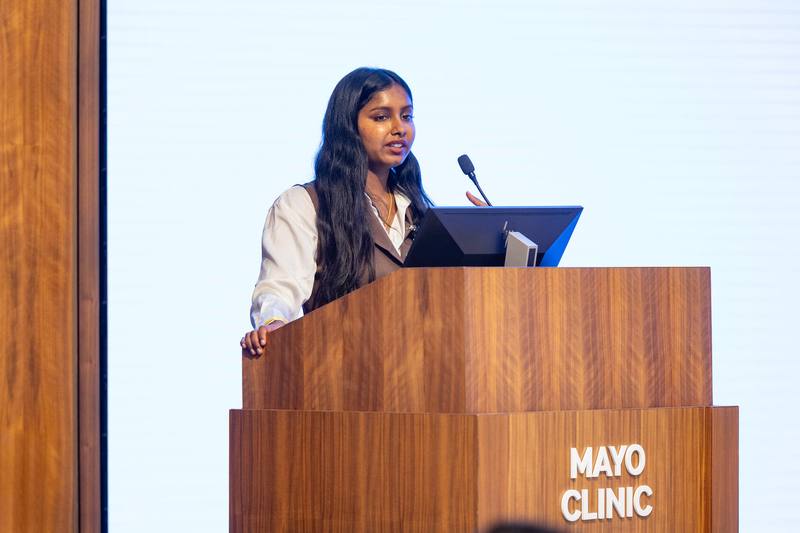
In Florida, SPARK (Science Program for the Advancement of Research Knowledge) participant Emily Dorairaj later returned to Mayo Clinic through the undergraduate pathway opportunity CRISP (Clinical and Research Internship for Science Program) before beginning medical school at MCASOM.
Building on early interests
As students move through college, many look for opportunities to gain deeper experience in interests they first developed in high school or early healthcare career exploration.
Programs across Mayo Clinic campuses such as the Summer Undergraduate Research Fellowship (SURF), Undergraduate Plummer Scholars (UPS), UPS+ and CRISP provide opportunities to explore research, clinical environments and professional development experiences.
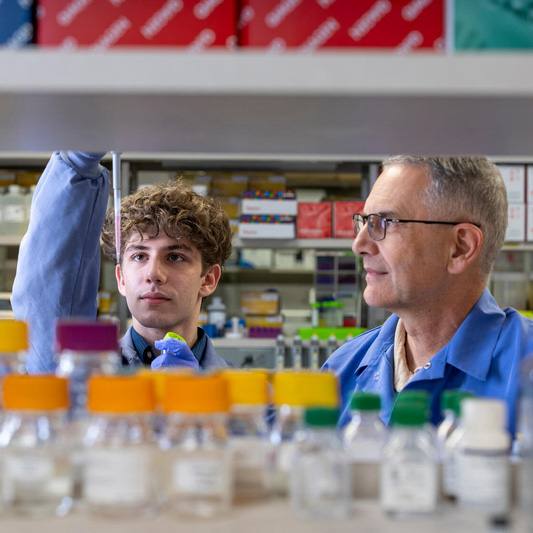
When Elizabeth "Lizz" Cervantes participated in SURF in Rochester in 2021, she was studying biochemistry at the University of Texas at San Antonio and already knew she wanted to pursue a Ph.D. What she discovered during the program was where she wanted that training to take place.
During the fellowship, Cervantes worked alongside graduate students whose collaborative approach to science and mentorship left a lasting impression.
"If I want to grow into that kind of scientist, I should train where they trained," she recalls thinking.
Today, Cervantes is a fifth-year Ph.D. candidate in the Clinical and Translational Science program at Mayo Clinic Graduate School of Biomedical Sciences (MCGSBS). Inspired by her own experience, she now helps lead a professional development seminar series for current SURF participants.
For Tamiel Turley, Ph.D., the path to biomedical research looked different from many of her peers. After leaving high school at 16, earning her GED, raising a family and becoming a first-generation college student, she wasn't certain she belonged in academic science. That changed during her 2015 SURF experience at Mayo Clinic in Florida.
"Working alongside established investigators, fellows and clinician-scientists helped me realize that I not only enjoyed research, but that I could actually see myself pursuing a Ph.D. and building a career as a scientist," Turley says.
She later earned her Ph.D. from MCGSBS and now works as a research associate at Mayo Clinic in Florida, leading projects focused on translational oncology, biomarker discovery and precision medicine.
Opportunities that extend beyond a summer
The value of a pathway experience isn't measured in a single summer. The value lies in what students discover — and what they pursue next.
Students learn about careers they may never have considered, gain confidence in their abilities and develop relationships that continue long after their program ends.
The journeys of pathways students demonstrate what's possible when those opportunities connect. By helping them understand not only what a future in healthcare could look like but how they might get there, Mayo Clinic is developing talent with the potential to strengthen its own workforce and healthcare more broadly.