-
Surgery
Mayo Clinic Q&A: Can surgery alleviate sacroiliac joint pain and issues?
Share this:






DEAR MAYO CLINIC: My coworker had been telling me they were having pain in their lower back that extended down into their hips. They were diagnosed with a sacroiliac (SI) joint issue. I occasionally experience back pain myself and wonder whether surgical treatments are available for sacroiliac joint problems.
ANSWER: Yes, surgery can help relieve SI joint pain, but it’s usually considered only after the diagnosis has been confirmed and when nonsurgical treatments haven’t worked. Because back pain can come from many sources, finding the true cause is essential before considering surgery. When pain persists or affects daily life, evaluating the sacroiliac joint as a potential cause of the pain can help identify more effective treatment options.
Where is the sacroiliac joint?
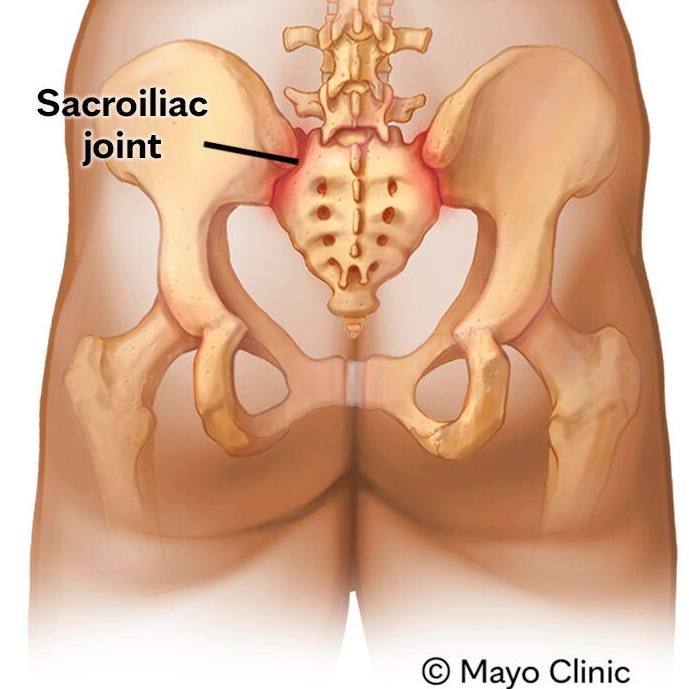
The sacroiliac joint sits between the base of the spine (the sacrum) and the pelvis. It is one of the body’s largest weight-bearing joints, helping transfer force from the upper body into the legs during activities such as standing, walking and lifting. Arthritis or excessive motion in the joint can lead to significant pain in the lower back, hips or buttocks, sometimes radiating into the legs.
SI joint pain can closely mimic conditions affecting the spine or hips, which makes diagnosis challenging. Research suggests that up to 15% to 30% of people with chronic low back pain may have pain originating from the SI joint. Some individuals live with symptoms for years or even undergo other procedures before the SI joint is correctly identified as the source.
Diagnosis typically begins with imaging to rule out other causes, such as infection or tumors. However, imaging alone is not enough. A physical exam that stresses the joint, followed by a diagnostic injection into the SI joint, helps confirm whether it’s truly responsible for the pain. If an injection significantly reduces your pain, it confirms that the SI joint is the cause.
Surgery isn’t the first step for SI joint pain. Most people begin with conservative treatments, including anti-inflammatory medications, physical therapy or therapeutic injections. These approaches aim to reduce inflammation, improve joint stability and relieve pain without surgery.
Physical therapy may help strengthen supporting muscles, while injections can provide temporary relief, sometimes lasting several weeks or months, although symptoms may return. Surgery is generally considered when pain has lasted longer than six months and hasn’t improved with nonsurgical care.
People with confirmed SI joint pain who don’t find relief through conservative treatments may be candidates for surgery. Certain conditions, such as widespread inflammatory arthritis or serious medical issues that make anesthesia unsafe, may rule out surgery. Smoking can also interfere with bone healing and affect surgical outcomes.
Modern SI joint surgery is typically minimally invasive. Through a small incision near the hip, surgeons place implants across the joint to stabilize it. The implants are relatively small and resemble screws, with specialized surfaces designed to encourage bone growth. Over time, bone grows across the joint, helping create lasting stability and reduce painful movement. The procedure often takes less than an hour, and some patients can return home the same day.
Most people have activity restrictions for about six weeks after surgery. Pain relief may be noticeable early, particularly when excessive joint motion was the cause, while arthritis-related pain may improve more gradually. By six months, about 80% of patients report improved quality of life and pain. Studies show these improvements can last for years.
If you’ve been told nothing can be done for chronic low back pain, don’t lose hope. For some people, SI joint pain may be the cause, and effective treatments, including surgery, are available.
Grant W. Mallory, M.D., Neurosurgery, Mayo Clinic Health System, Eau Claire and La Crosse, Wisconsin