-
Orthopedics/Sports
Mayo Clinic Q&A: Scoliosis in adults
Share this:






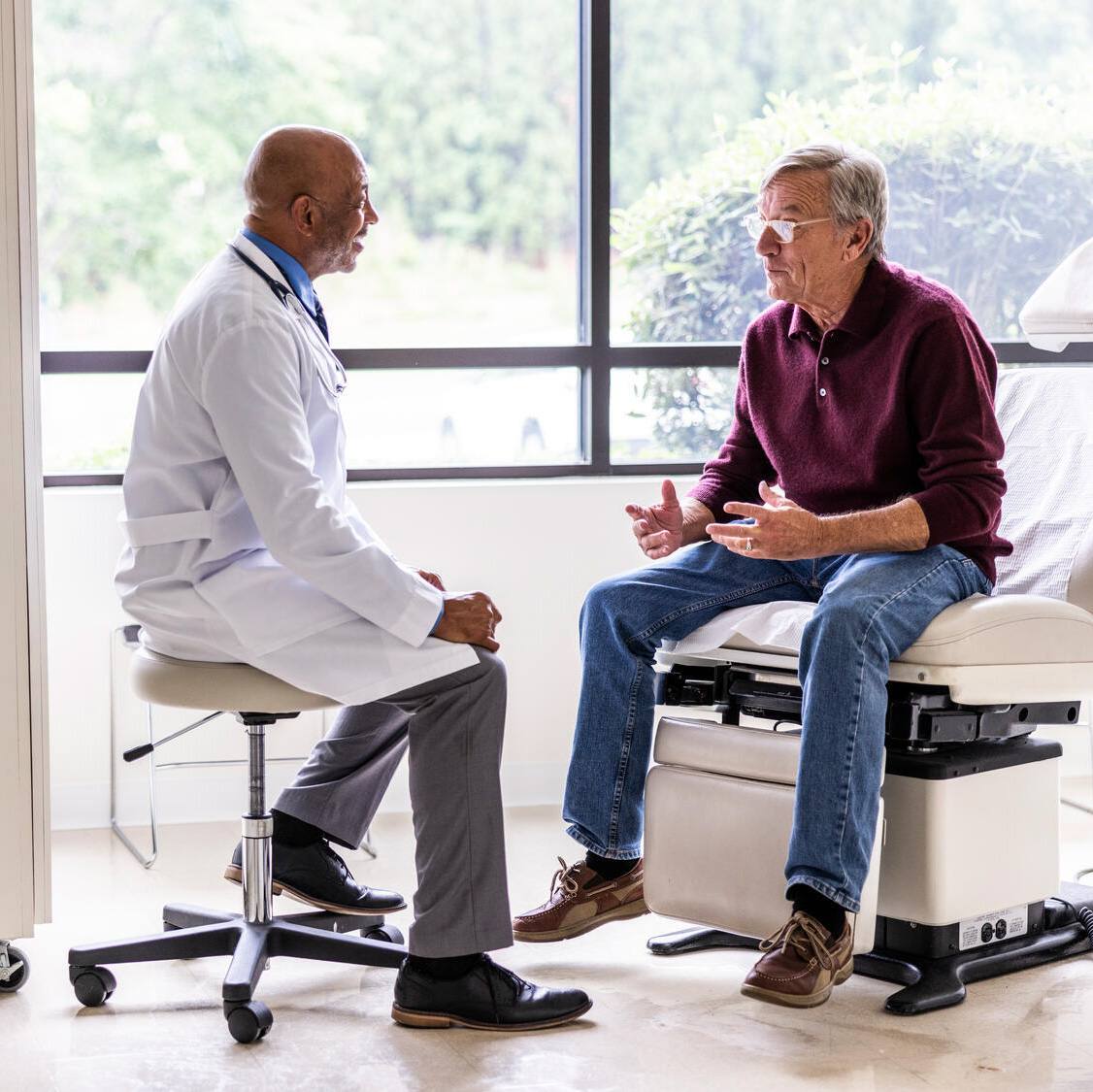
DEAR MAYO CLINIC: I'm in my 50s and have begun experiencing nagging back pain. Recently, I saw an orthopedic doctor and was diagnosed with scoliosis. Does this mean I have to have surgery?
ANSWER: Not necessarily. Scoliosis in adults may require no treatment or be able to be managed without surgery. It all comes down to the severity of symptoms and whether there are accompanying problems, like arthritis or osteoporosis.
Scoliosis is a change in the normal shape of the spine that leads to sideways or forward curving or twisting. It most often develops in children during their growth spurt just before puberty. Affected children who don't respond to nonoperative measures may undergo surgery to straighten and properly balance the spine.

In adults, scoliosis may be a remnant of a curvature that began in childhood. More commonly, scoliosis is the result of wear and tear on the spine that comes with aging, usually in combination with another condition that affects the spine, such as arthritis or osteoporosis. Usually, it's these conditions that are causing discomfort.
Symptoms
Symptoms of adult scoliosis include low back pain and a stooped posture. Some older adults, despite having significant curves in their spines, may have no symptoms. In other cases, they have symptoms that respond to nonoperative measures such as weight loss, physical therapy, stretching, or maintaining an active, low-impact lifestyle. Both of these scenarios are unlikely to require surgical treatment.
Many adults seek medical care when symptoms become bothersome or limiting.
Typically, physical therapy is the first step in treatment. Recommended exercises, along with stretching and walking, may be all that's needed to relieve pain, improve mobility and keep you active.
If osteoporosis or arthritis is contributing to scoliosis, your healthcare professional will want to address how best to manage your bone health and prevent the curve from getting worse as your bones get softer.
Treatment options
Treatment may include bone scans to determine the degree of bone loss, weight-bearing exercises to strengthen your bones and medications or infusions that help your body repair and build bone.
If your pain continues despite nonsurgical treatments or if your scoliosis symptoms become so severe that they limit your mobility or produce a disfiguring deformity, then it's time for you and your healthcare team to discuss surgery.
For a good surgical outcome, it's not necessary to completely correct the abnormal curves. The goal for adults is a balanced spine — that means your head is positioned directly over your pelvis from front-to-back and side-to-side. This alignment can achieve a high degree of satisfaction and pain relief after surgery. Many patients' symptoms arise from arthritis or pressure on the nerves and can be effectively relieved by removing the pressure, not necessarily by fully correcting any deformity.
Surgery
One of the most common surgical approaches for scoliosis is spinal fusion. In many cases, spinal bones that are out of alignment account for a significant portion of the deformity. Spinal fusion helps your surgeon realign the bones, improve the curvature of the spine and make the spine more stable. This may be performed alongside a spinal decompression to remove any bone spurs or pressure on the nerves.
During spinal fusion, your surgeon places bone or a bone-like material in the space between two spinal bones. Metal plates, screws or rods might hold them together so the bones can fuse together and heal as one bone.
After spinal fusion, you'll be required to stay in the hospital for two to three days. Depending on the location and complexity of your surgery, you may experience some pain and discomfort, which can be controlled with pain medications.
At some surgical centers, scoliosis surgery can be performed using minimally invasive techniques that shorten recovery times. Regardless of the surgical approach, it can take several months after surgery for the spinal bones to heal and fuse together. During that time, you may need a brace to protect and support your spine.
In the area where the bones were fused together, spinal mobility is limited. Physical and occupational therapy can teach you ways to sit, stand, bend and walk to improve your mobility and quality of life.
Although spinal fusion surgery for adults with scoliosis may not eliminate all symptoms, in a high percentage of cases, it can effectively balance the spine, relieve posture symptoms and allow you to get back to doing the activities you enjoy.
Paul Huddleston, M.D., Orthopedic Surgery/Spine Care, Mayo Clinic Health System, Red Wing, Minnesota, and Mayo Clinic, Rochester, Minnesota
Related post: