-
Medical Innovation
Mayo Clinic scientist uses AI, wearables and implants to decode brain rhythms and forecast seizures
Share this:






At Mayo Clinic, biomedical engineer Benjamin Brinkmann, Ph.D., is developing tools and technologies that help reveal brain patterns — making epileptic seizures more predictable and, one day, preventable.
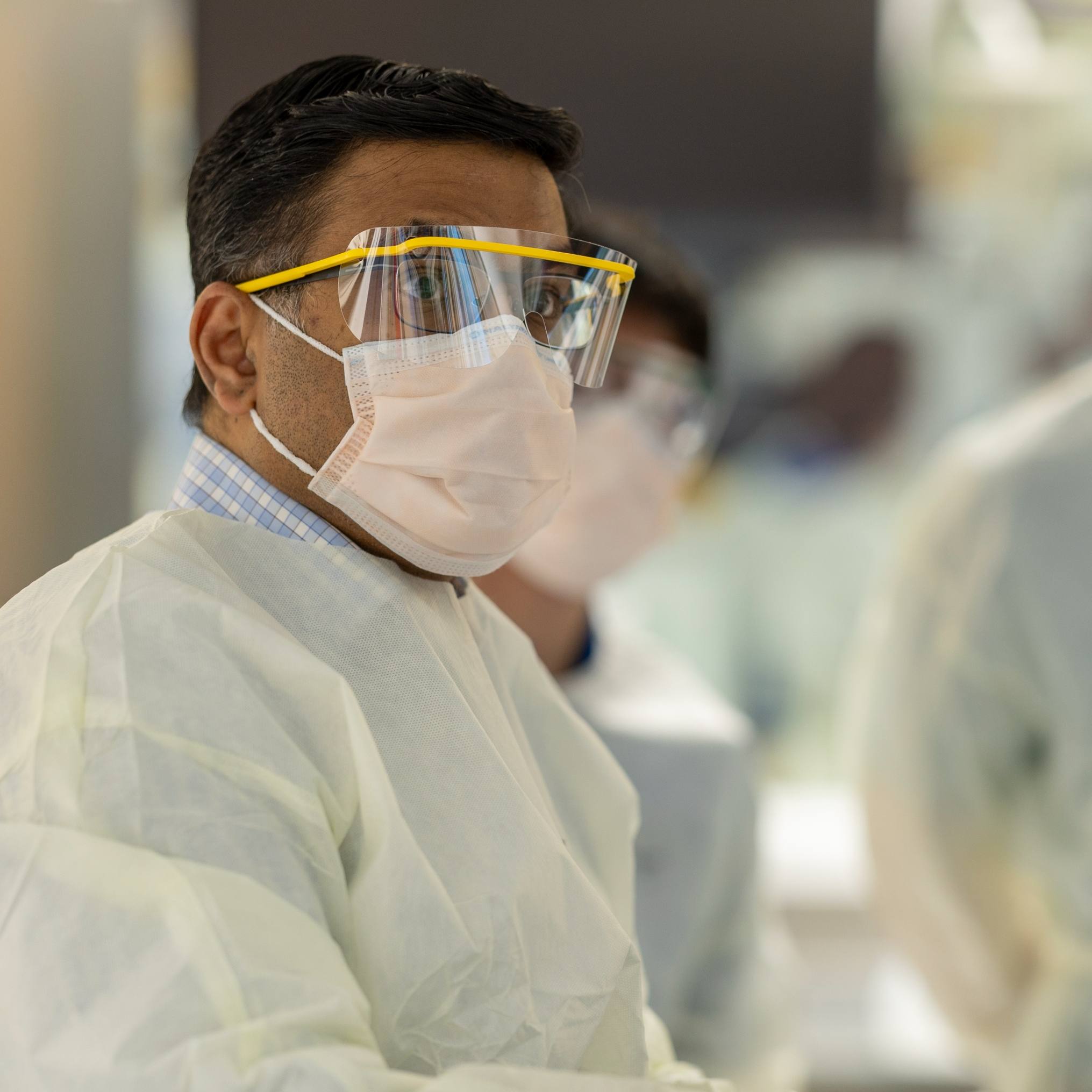
In a neurology lab at Mayo Clinic, Dr. Benjamin Brinkmann studies the brain's electrical rhythms across days, weeks and months — searching for patterns that reveal when seizures are most likely to occur. Working with neuroscientists and clinicians, he combines data from brain waves, vital signs and imaging to develop tools that interpret those signals and help guide patient care.
Epilepsy is a brain disorder that causes recurring seizures — sudden bursts of electrical activity that can interrupt movement, speech or awareness. About 3.4 million people in the U.S. live with the condition. For many, medication keeps seizures under control. But for those with drug-resistant epilepsy, the episodes can occur without warning — disrupting routines and independence.
Dr. Brinkmann, a biomedical engineer, has dedicated his career to improving care for people with epilepsy. Working with Mayo Clinic's epilepsy team, he helps identify where seizures begin in the brain — essential information for those whose epilepsy is difficult to control. His long-term goal is to move from forecasting seizures to stopping them before they start.
A clearer picture of epilepsy, one signal at a time

One example of that work is a study Dr. Brinkmann led with international collaborators. They tested a small implant that sits just under the skin behind the ear, recording brain activity as people go about their day. The device helps provide a more accurate picture than seizure diaries, which can miss or misclassify episodes. Accurate and continuous monitoring helps doctors track seizure patterns and adjust treatment.
Over 15 months, the team collected more than 72,000 hours of brainwave data from people with epilepsy. They recorded 754 seizures — nearly twice as many as were reported in diaries. About half of the study participants wore the device more than 20 hours a day and reported it did not interfere with daily life. The findings suggest that long-term, at-home brain monitoring can uncover seizure patterns missed in short clinic visits.
Smartwatch uses AI to forecast seizures

Dr. Brinkmann also led a study on wearable technology — a smartwatch that uses artificial intelligence to help forecast seizures before they happen.
The watch tracks heart rate, movement, skin conductance and temperature, using machine learning to help clinicians find patterns that may signal a seizure. In findings published in Epilepsia, the team correctly predicted about 75% of seizures, with few false alarms.
Dr. Brinkmann says the idea is simple: to give people a warning. A few minutes' notice can mean calling a caregiver, sitting down or avoiding a risky activity. In the future, those alerts could even trigger treatments automatically, using medication or gentle brain stimulation when seizure risk is high.
Building the future of epilepsy care

Together, the implant and smartwatch studies show what's possible when brain activity can be tracked continuously. The research is opening a new window into how seizures develop and helping shape the next generation of neurotechnology at Mayo Clinic.
Dr. Brinkmann's work contributes to Mayo's BIONIC program — short for Bioelectronics Neuromodulation Innovation to Cure — which unites scientists and clinicians to develop smarter, more responsive technologies and therapeutics for the brain, spine and nervous system. The goal is ambitious: systems that can sense trouble and respond instantly to stop it.
In Dr. Brinkmann's lab, every signal adds to that future — each one bringing a clearer picture of epilepsy and what care might look like in the years ahead.