Share this:






ROCHESTER, Minn. — Mayo Clinic researchers have estimated the risk that pancreatic cysts with worrisome or high-risk features will progress to pancreatic cancer or advanced precancerous changes within three years. The findings, published in Gastroenterology, could help physicians and patients better assess risk and make more informed decisions about whether to monitor a cyst or consider surgery.
The prospective study found that risk increased with the number of worrisome features, or findings that the cyst needs closer monitoring. Patients whose cysts had one worrisome feature had about a 2% chance of developing pancreatic cancer or advanced precancerous changes within three years. The risk rose to 4% for those with two worrisome features and 18% for those with three or more.
"This information will help us counsel patients. If we want to intercept pancreatic cancer while also sparing patients from unnecessary interventions, we must really know what is likely to become cancer and what is not," says Shounak Majumder, M.D., lead author and a gastroenterologist at Mayo Clinic.
What does pancreatic cyst risk mean for patients?
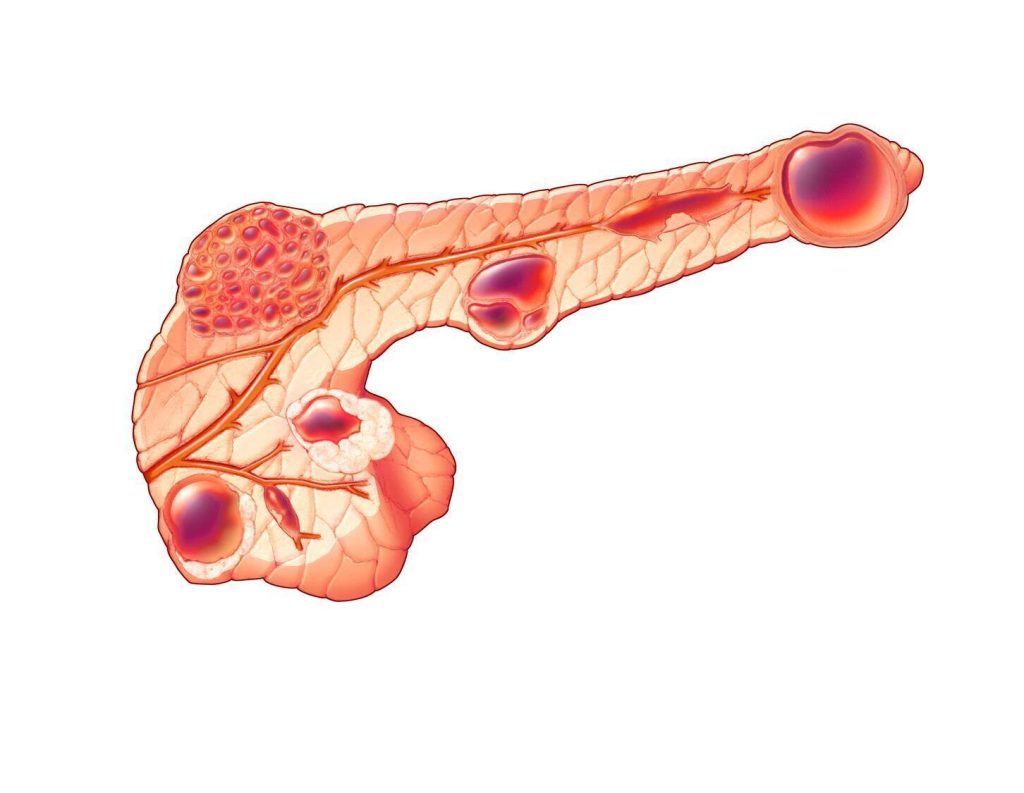
Pancreatic cysts are common and often discovered during imaging for an unrelated reason. Most do not become cancerous, but certain features seen on imaging can indicate a greater risk. Pancreatic cysts are classified as having high-risk features, worrisome features or neither.
Pancreatic cysts without worrisome or high-risk features have a relatively low likelihood of progression to cancer. Cysts with high-risk features may prompt physicians to recommend surgery because of greater concern about cancer or advanced precancerous changes. Cysts with worrisome features often are monitored closely, although some may also require surgery.
"Sometimes, we are unable to reliably determine whether a cyst will become pancreatic cancer or not," Dr. Majumder says. "That uncertainty creates a lot of anxiety for some patients undergoing surveillance, and some will opt for surgery."
More precise estimates of progression risk can help patients and physicians weigh the potential benefits of surveillance and surgery.

How did researchers determine pancreatic cancer risk?
The study followed 230 people with pancreatic cysts that had worrisome or high-risk features. Unlike studies that look back at existing medical records or primarily include patients who underwent surgery, researchers enrolled participants and followed them over time, regardless of whether they chose surgery or surveillance.
Of the 230 participants, 32 underwent surgery within the first three months after enrollment, and 198 entered clinical surveillance. Among those monitored, 185 had cysts with worrisome features, and 13 had cysts with high-risk features.
The study found that patients with multiple worrisome features may represent a substantially higher-risk subgroup, while risk was not markedly elevated in patients with a single worrisome feature.
Pancreatic cancers diagnosed among patients under careful surveillance were detected at a very early stage, suggesting that surveillance of appropriately risk-stratified patients may provide an opportunity to catch pancreatic cancer early. The finding suggests that regular surveillance may be an appropriate approach for some patients rather than immediate surgery.
The three-year risk estimates also provide a benchmark for evaluating blood tests and designing studies of other approaches to early pancreatic cancer detection.
Can blood tests and biomarkers predict pancreatic cancer risk?
In a separate study led by Dr. Majumder and colleagues published in Clinical Gastroenterology and Hepatology, researchers examined CA 19-9, a blood biomarker that may be elevated in people with pancreatic cancer and is sometimes used to monitor pancreatic cysts.
An elevated CA 19-9 result alone did not reliably predict which patients with pancreatic cysts would develop cancer. Among patients with low-risk cysts who had an elevated CA 19-9 level, none developed pancreatic cancer during the study's follow-up period.
The findings suggest that a blood biomarker test should be considered with other information about a patient's health and cancer risk. They also underscore the need for new biomarker tests that can reliably detect the earliest stages of cancer in patients with pancreatic cysts.
The data from these studies could help researchers design larger studies and clinical trials of new approaches to the early detection and prevention of pancreatic cancer as part of a broader effort at Mayo Clinic known as the Precure Research initiative.
"The goal is more precise, personalized surveillance and an early detection approach that identifies patients who may benefit from earlier intervention while helping those at lower risk avoid unnecessary procedures and major surgery," says Dr. Majumder.
For a complete list of authors, disclosures and funding, review the study.
###
About Mayo Clinic
Mayo Clinic is a nonprofit organization committed to innovation in clinical practice, education and research, and providing compassion, expertise and answers to everyone who needs healing. Visit the Mayo Clinic News Network for additional Mayo Clinic news.
Media contact:
- Julie Ferris-Tillman, Ph.D., Mayo Clinic Communications, newsbureau@mayo.edu