Share this:





Mayo Clinic scientists are pushing medicine beyond diagnosis, developing treatments for ultrarare genetic diseases while building a model that could accelerate the path to treatment for many more.
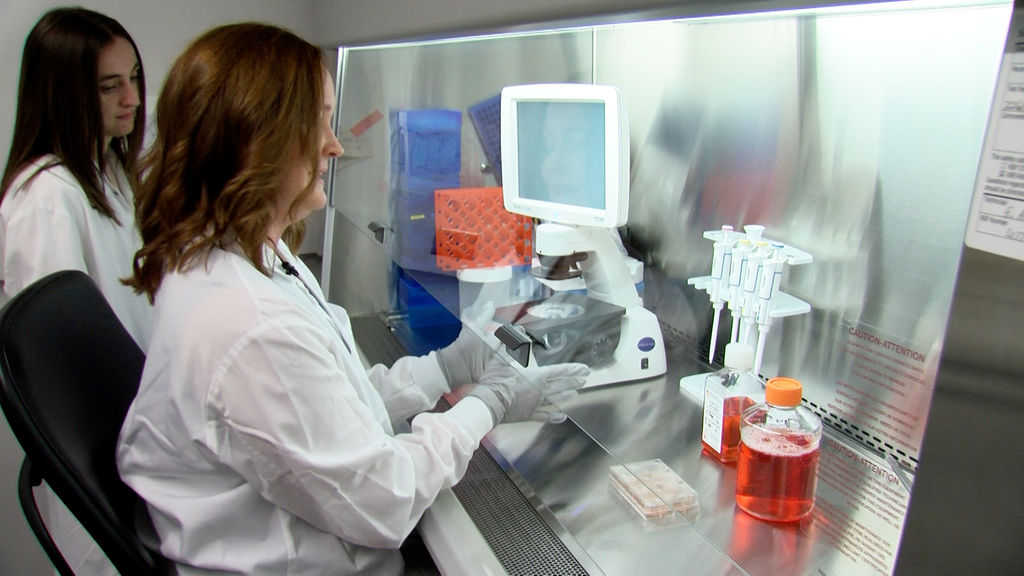
Behind the glass walls of her Mayo Clinic neuroscience laboratory, Margot Cousin, Ph.D., watches tiny clusters of living neurons flicker across her computer screen. Magnified hundreds of times, the cells carry the genetic variant responsible for KCNK9 imprinting syndrome, one of the rarest neurological diseases in the world.
Dr. Cousin directs Mayo Clinic's N-of-1 Therapeutics Program, where scientists develop treatment strategies for diseases so rare they may affect only a single person. Each advance can help shorten the path for the next ultrarare disease, and the one after that.
"For decades, the greatest success we could offer many patients was finally putting a name to their disease," says Dr. Cousin, a clinical and translational scientist in Mayo Clinic's Center for Individualized Medicine. "A diagnosis is an extraordinary achievement, but it's no longer the end of the journey. The future of medicine is turning that diagnosis into a path toward treatment."
Watch: One patient at a time, Mayo Clinic takes on the world's rarest diseases
Videography by Kevin Sullivan, Mayo Clinic
Journalists: Broadcast-quality video (2:28) is in the downloads at the end of this post. Please courtesy: "Mayo Clinic News Network." Read the script.
The neurons glowing on Dr. Cousin’s screen came from a small skin sample donated by Summer Nagele, a 21-year-old from Illinois living with KCNK9 imprinting syndrome. Low muscle tone affects her movement, speech and eating. She has reduced lung function, tires easily, sometimes uses a wheelchair for longer distances, and underwent spinal fusion for severe scoliosis at 13.
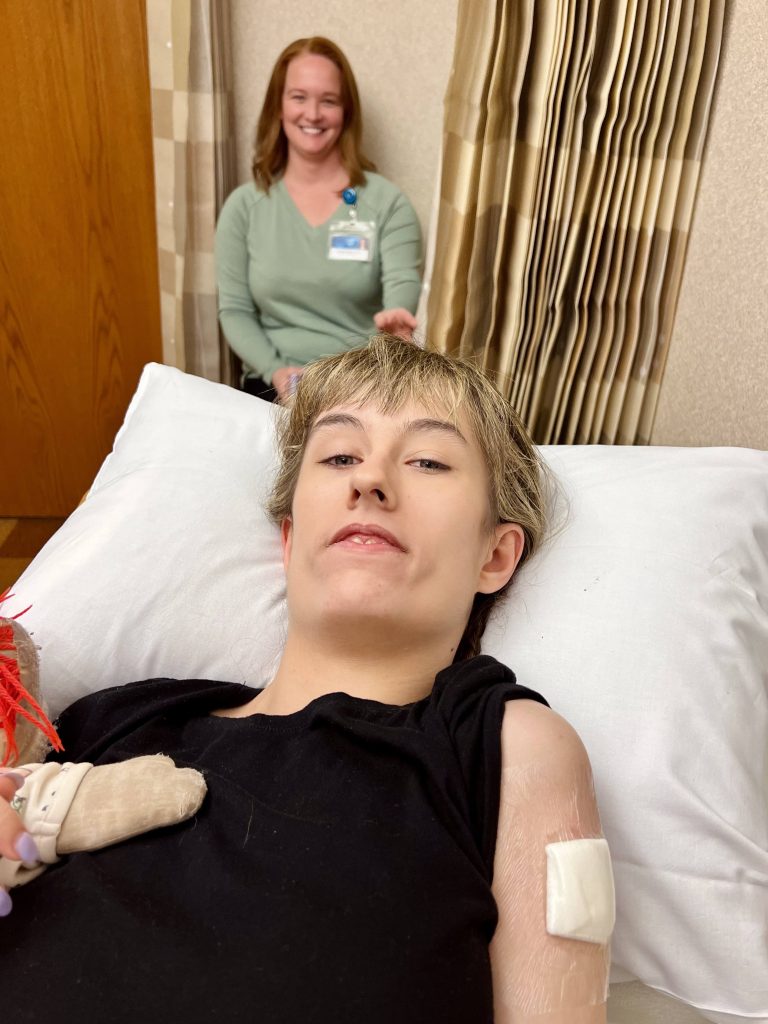
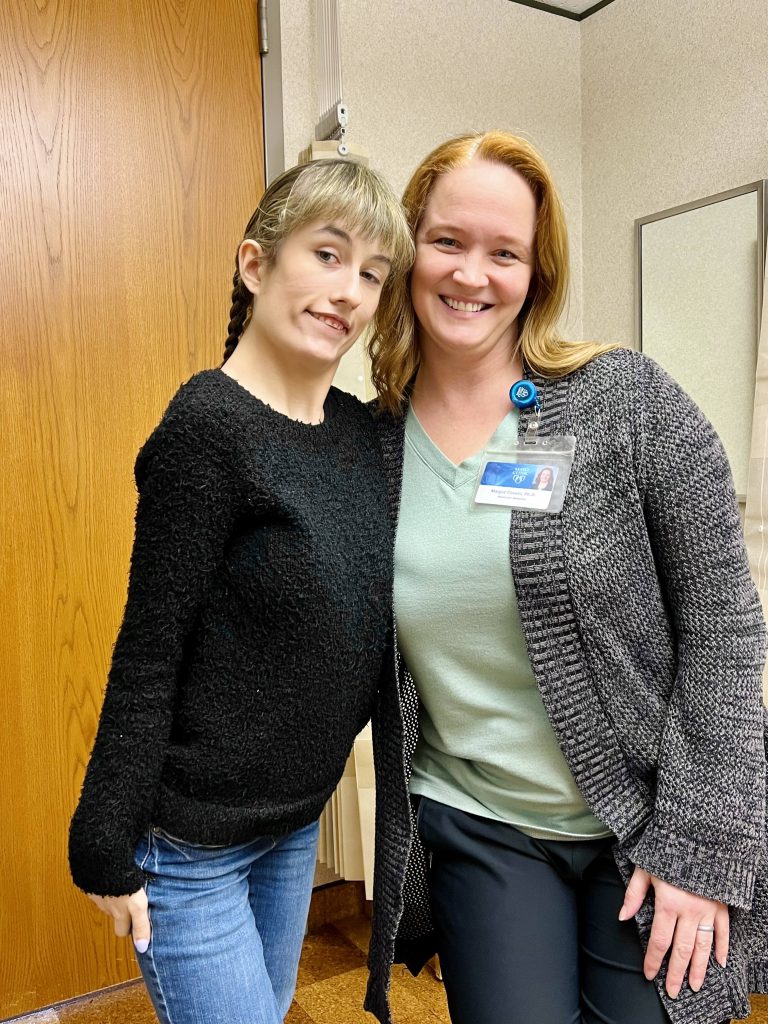
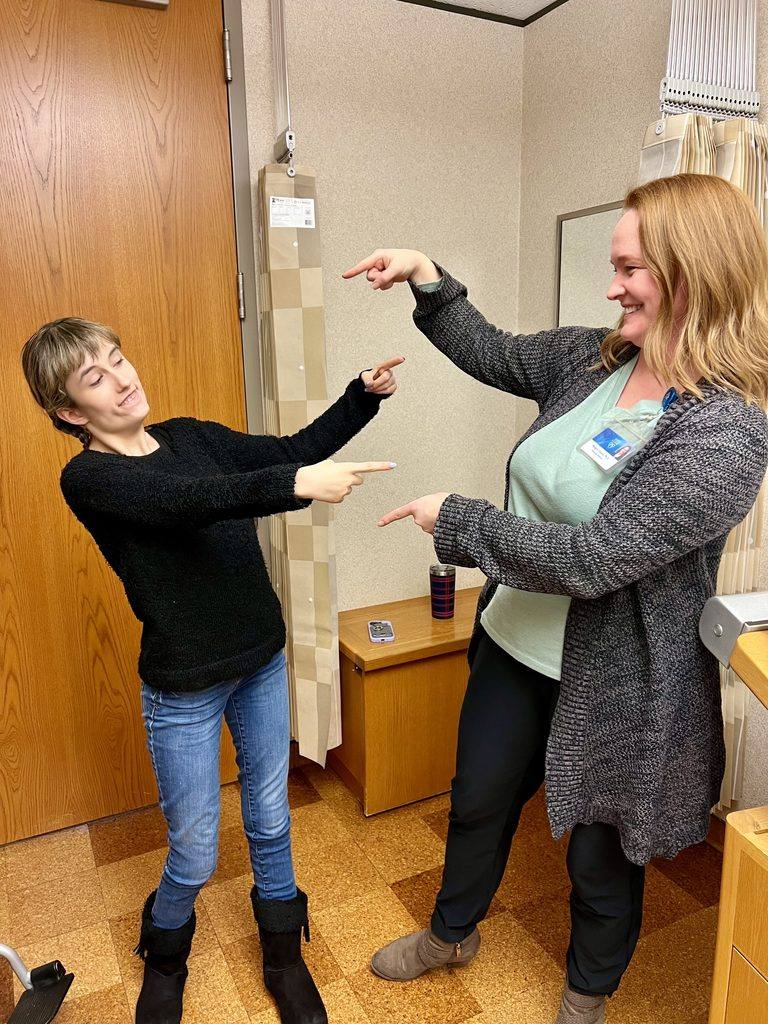
Yet Summer has built her life around the very things the disease makes difficult. She sings the national anthem before cheering crowds, performs in musical theater, competes in eight Special Olympics sports — gymnastics is her favorite — and advocates for people with disabilities.
Another part of Summer's story is unfolding somewhere far quieter — under Dr. Cousin's microscope.
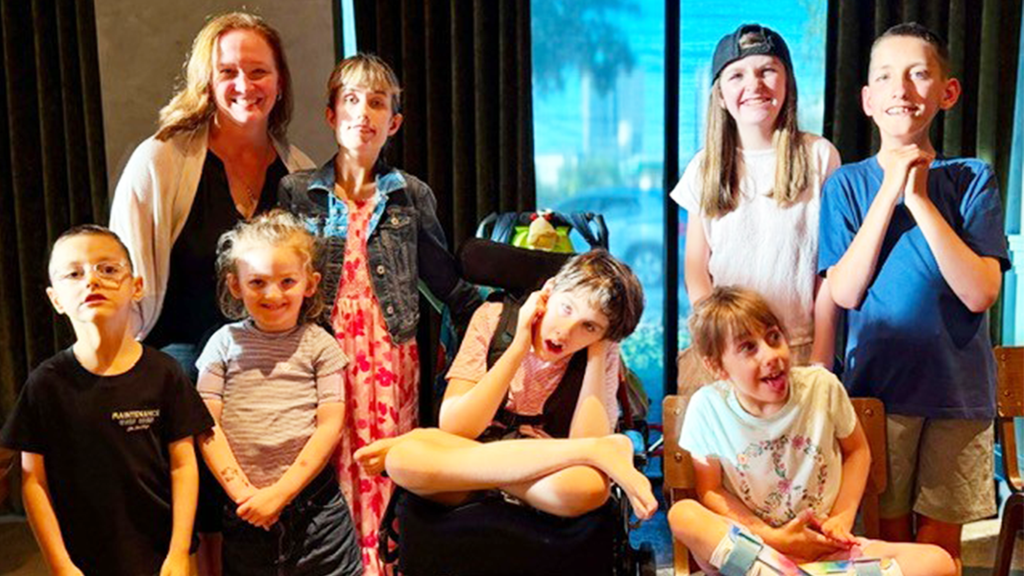
Fewer than 100 people worldwide are known to have KCNK9 imprinting syndrome. Many are children.
Dr. Cousin knows them by name.
A path beyond diagnosis
For ultrarare diseases, the path to treatment is especially difficult. There may be only a handful of patients to study, little clinical evidence to guide trials and almost no commercial incentive to develop a therapy.
Dr. Cousin and her collaborators are using advances in genetics, disease modeling, molecular therapeutics and artificial intelligence to find another way.
Every potential treatment begins with a small sample of cells donated by the people Dr. Cousin and her team hope to help.
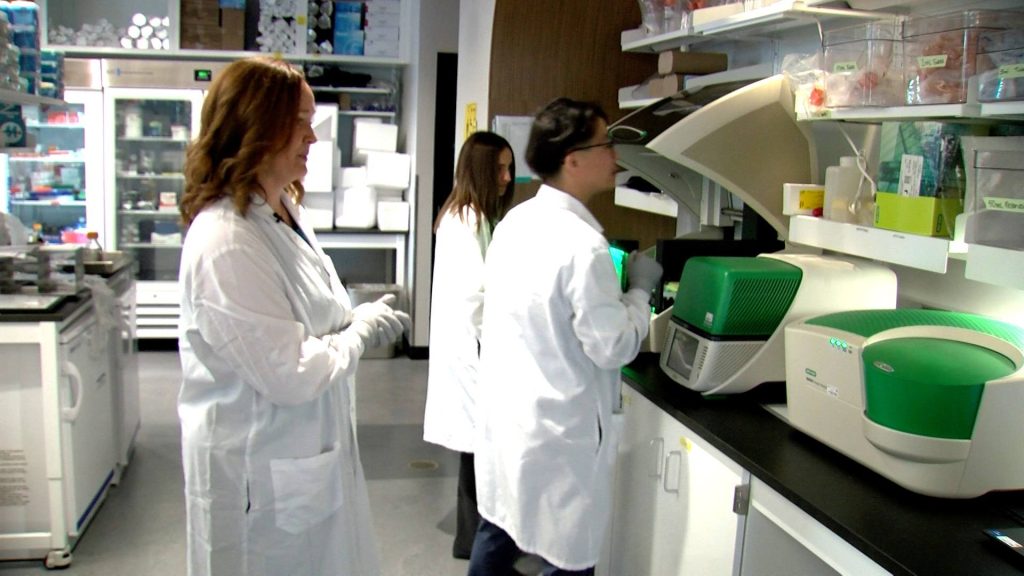
In the laboratory, researchers coax skin cells backward into stem cells and forward into the types of neurons affected by the disease. As the neurons begin communicating, the effects of the mutation come into view — a gene that is too active or a protein that doesn't function as it should.
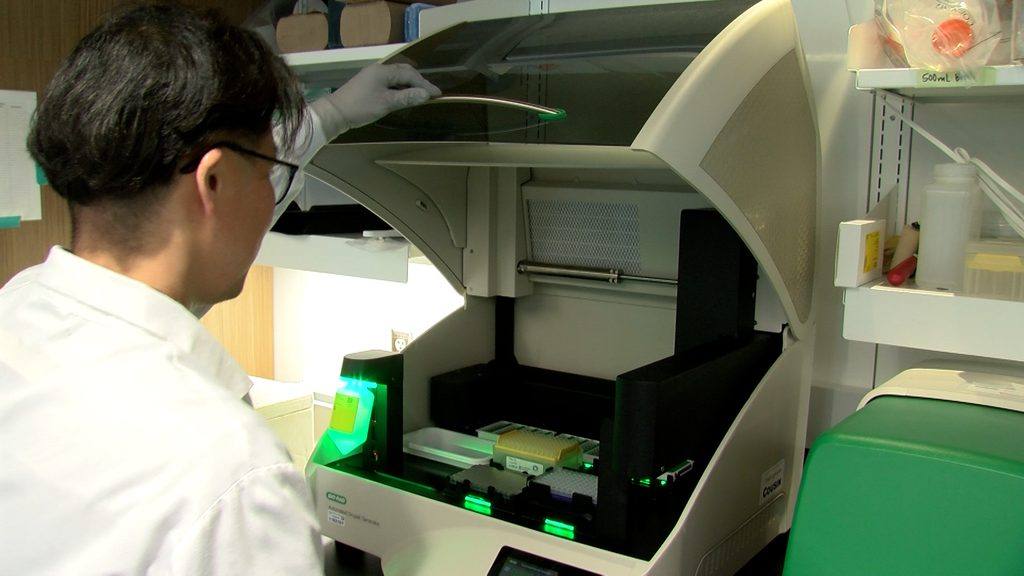
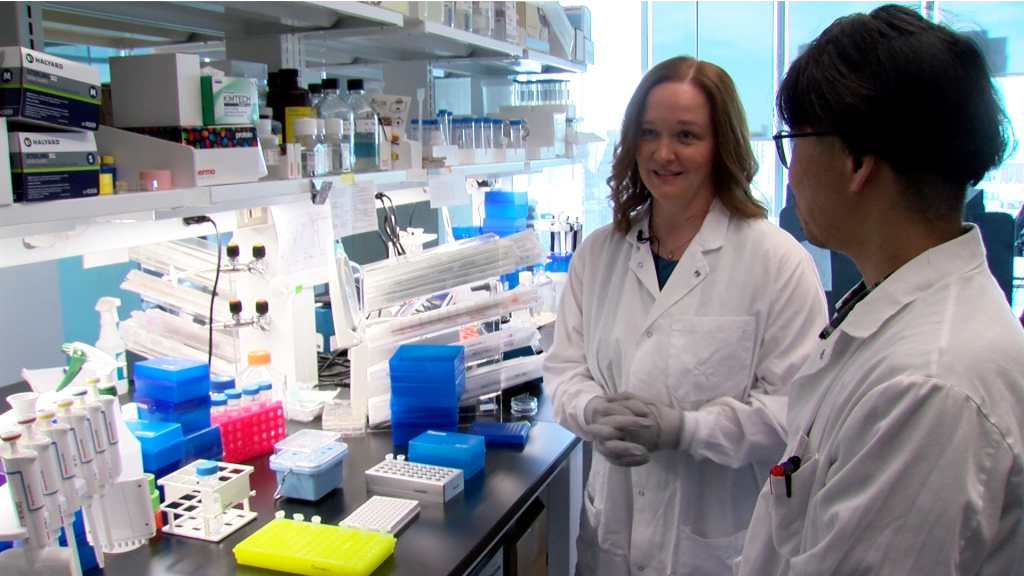
Those living cultures also become a testing ground. Along the lab bench, Dr. Cousin and her team use precision pipettes to introduce potential therapies into tiny wells of neurons, then watch how the cells respond. Some are existing FDA-approved drugs being tested for a new purpose. Others are experimental genetic therapies developed specifically for the disease.
Turning discovery into a treatment strategy
What began as an effort to understand KCNK9 imprinting syndrome is now evolving into an international push to develop the disorder's first treatment.
In 2022, Dr. Cousin and her team identified 15 previously unknown genetic changes that cause the disease. Those discoveries provided definitive diagnoses for 21 families and established a stronger scientific foundation for understanding the condition.
Earlier this year, the team launched a natural history study to follow people with KCNK9 imprinting syndrome over time and better understand how the disease progresses. That information could help researchers identify measures for future clinical trials and determine whether a potential treatment is making a difference.
In the laboratory, the team is investigating antisense oligonucleotides as one possible treatment strategy. The molecules can be designed to alter how genetic instructions are carried out inside cells. Researchers are still working to better understand the mechanisms driving KCNK9 imprinting syndrome and developing cell models needed to test potential therapies.
Families are helping drive that momentum. Among them are Melissa and Sean Kelley, whose 12-year-old son, Preston, has one of the most severe forms of KCNK9 imprinting syndrome. He communicates through an eye-gaze device and relies on a wheelchair. The Kelleys founded the KCNK9 Foundation, helping transform a small group of isolated families into a global research community.
"We share a special bond that no one else really understands," Melissa says. "For all of us with kids who are affected, our hope is to see a therapy in our lifetime."
That community recently came together in Dallas, where Dr. Cousin joined families, clinicians and researchers from around the world for the third Global KCNK9 Imprinting Syndrome Symposium. For one of the world's rarest disorders, bringing so many families into one room was a milestone in itself.
Sean says those face-to-face encounters give researchers "a much more nuanced view" of the disease and the many ways it can affect patients.
Summer and her parents were part of the group that traveled to Dallas. "We trust Dr. Cousin," says her mother, Autumn Nagele. "When Summer was invited to be a part of the research, we knew her participation would be meaningful." Her father, Michael Nagele, puts their relationship with Dr. Cousin more simply: "She's family now."
Summer's thoughts are on the younger children with KCNK9 imprinting syndrome.
"I want the younger kids to be able not to go through the stuff that I do," Summer says.
Scaling hope for ultrarare diseases
The search for a KCNK9 treatment is one part of a much larger effort. Across other ultrarare diseases, Dr. Cousin and her collaborators are applying the same approach, and in some cases, have already carried it from laboratory research to experimental treatment.
In 2025, they helped deliver the first custom experimental genetic treatments for Autosomal Dominant Leukodystrophy (ADLD) to a Mayo Clinic patient. The rare, fatal neurological disease slowly destroys the brain's white matter, disrupting the pathways that allow different regions of the brain to communicate.
Dr. Cousin and her collaborators have since built a comprehensive ADLD program, bringing together an international disease study and a dedicated ADLD Clinical Care Center to better understand the disorder, expand access to expert care and prepare for future treatment trials.
"We're already seeing early signs of benefit in some of our neurodegenerative disease programs," Dr. Cousin says. "We're seeing encouraging biological signals that suggest these therapies are working as intended. That gives us confidence we're building on a strong scientific foundation and that we can continue expanding this approach to more diseases."
One by one
For Dr. Cousin, the significance of the work is measured in much more than data points on a screen.
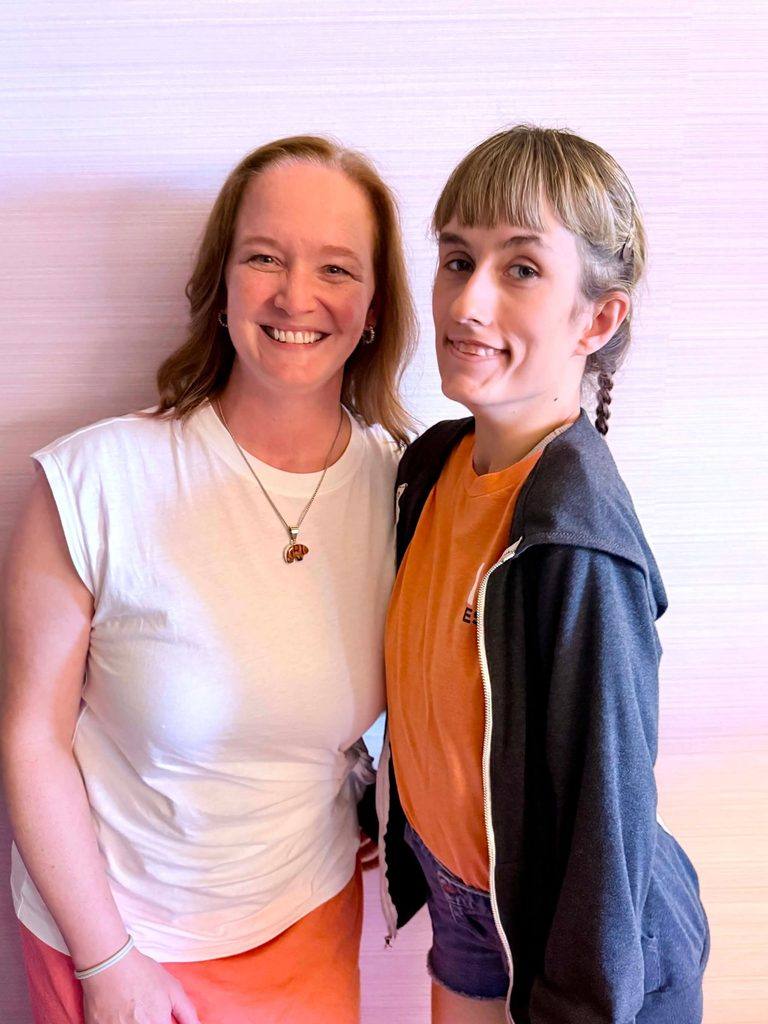
That became especially clear during Summer's skin biopsy.
With Dr. Cousin beside her, Summer began naming all the other children she had met through the KCNK9 community. One by one, she called them out, as if bringing them into the room with her.
"I thought of all the kids that I'm helping," Summer says.
Some breakthroughs are measured in millions of lives. In Dr. Cousin's laboratory, they begin with one.
The Bigger Picture
The work aligns with Mayo Clinic Research's Clinical Impact initiative, which is accelerating the path from scientific discovery to clinical trials and patient care. For ultrarare diseases, that means creating a more direct route from understanding the biology of a disorder to developing and testing potential therapies.
The Beyond the Breakthrough special series goes inside Mayo Clinic research to meet the people advancing medicine and cures for patients.
For more stories like this, visit Beyond the Breakthrough.