-
Transplant
Teachers connect beyond the classroom through paired kidney donation (VIDEO)
Share this:





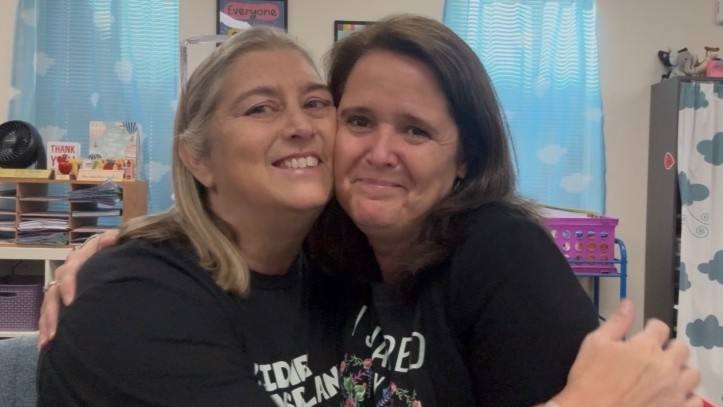
For patients waiting for a kidney transplant, finding a compatible donor can take time. A paired kidney donation program can make transplantation possible, even when a donor isn't a direct match. That's what reunited two former high school classmates, now teachers, and gave one of them a new kidney and a new lease on life.
Watch: Teachers connect beyond the classroom through paired kidney donation
Journalists: Broadcast-quality video (2:33) is in the downloads at the end of this post. Please courtesy: "Mayo Clinic News Network." Read the script.
"I kind of always knew I needed a new kidney," says Shannon Williams, a 50-year-old elementary school teacher in Leesburg, Florida.
Shannon Williams spent 15 years living with polycystic kidney disease. When dialysis became a reality, she knew she couldn't wait any longer for a transplant.
"I've got to find my own match, so I started looking," says Shannon.
Then, a social media post reached an old friend.
"I didn't know that she had been sick initially," says Kelly Harrington.
"I went to school with Kelly back in high school. We twirled together, and I was a senior; she was a freshman," says Shannon.
"Shannon and I both teach in the same school district," says Kelly.
"Kelly called me, and she said, 'I want to see if I'm a match for you.' She was a match, except for the antibodies," says Shannon.
Although Kelly couldn't donate directly to Shannon, a kidney paired exchange program offered another path.
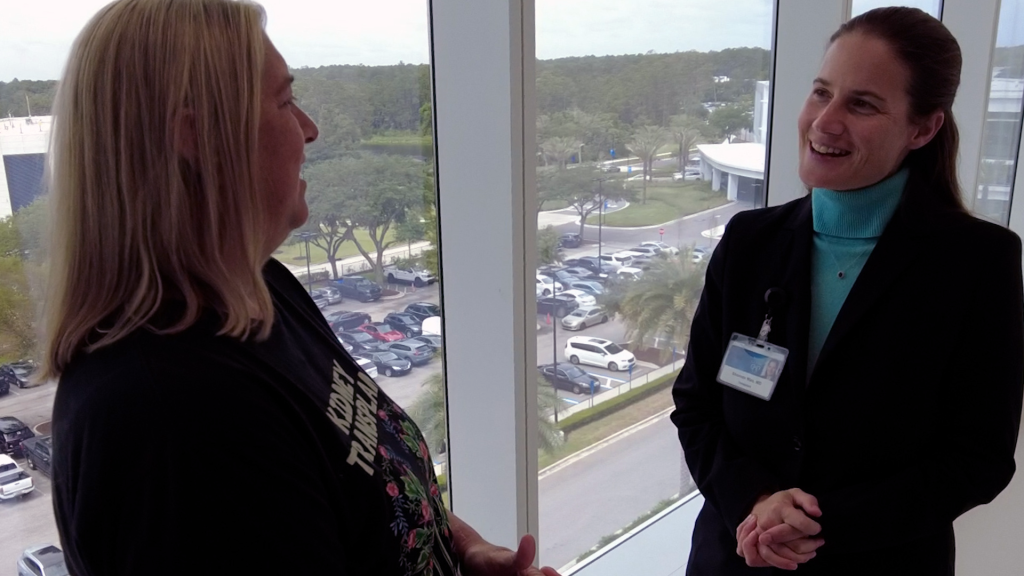
"Someone may not be appropriate to donate to a particular recipient, but they are a fantastic donor to someone. And so the kidney goes into a national matching pool," says Dr. Shennen Mao, a Mayo Clinic transplant surgeon. "Once a match is found, the kidney is donated to an intended recipient, and our recipient gets a kidney in return."
"When I realized that I could still help Shannon, potentially save her life, give her a longer life, give her a healthier life, it was a bonus," says Kelly.
Then, in January 2026, there was a life-changing phone call.
"(Transplant coordinators) called and said they had a match," says Kelly. "I don't recall ever crying so hard in my life. It was overwhelming, absolutely overwhelming."
Shannon and Kelly drove two hours from their homes in Central Florida to Jacksonville, where the surgeries took place at Mayo Clinic. One of Kelly's kidneys was sent to someone else in need.
"Shannon received a living donor kidney back through the kidney paired exchange program," says Dr. Mao. "It worked right away on the operating room table."
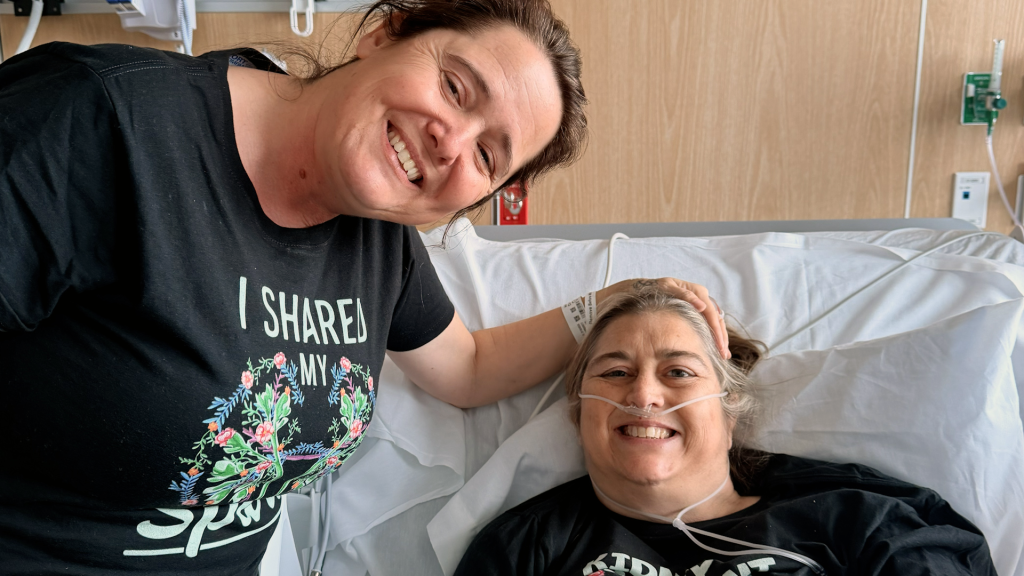
Not long after surgery, Shannon and Kelly were reunited.
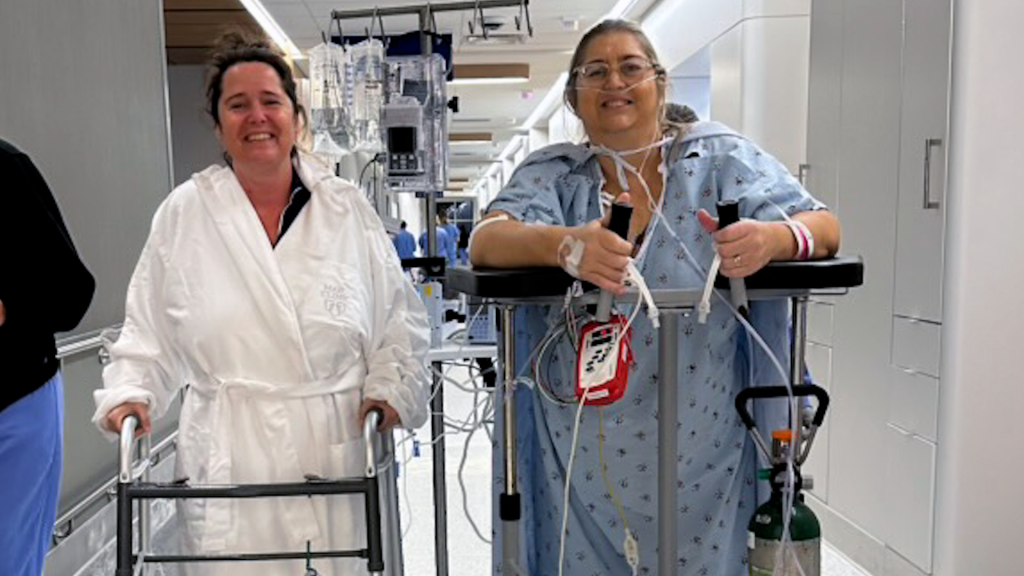
"They wanted me to walk right away," says Shannon. "Kelly and I were two doors down from each other, so we got to walk the halls together — just us and our walkers strolling down the hallway."
"That first walk, we felt like superstars," says Kelly. "All of the staff members were just helping us and supporting us."
"The ability and the impact that we can make on our patients is what drives me, both as a transplant surgeon and also as a scientist, to think about the solutions for the future, so that we can help more patients like Shannon," says Dr. Mao.
Before the end of the school year, Shannon and Kelly returned to their classrooms.
"To know that she literally saved my life, I will always be grateful to her," says Shannon. "I always tell her she's my angel."