-
Medical Innovation
Tomorrow’s Cure: Shortening the diagnostic journey
Share this:





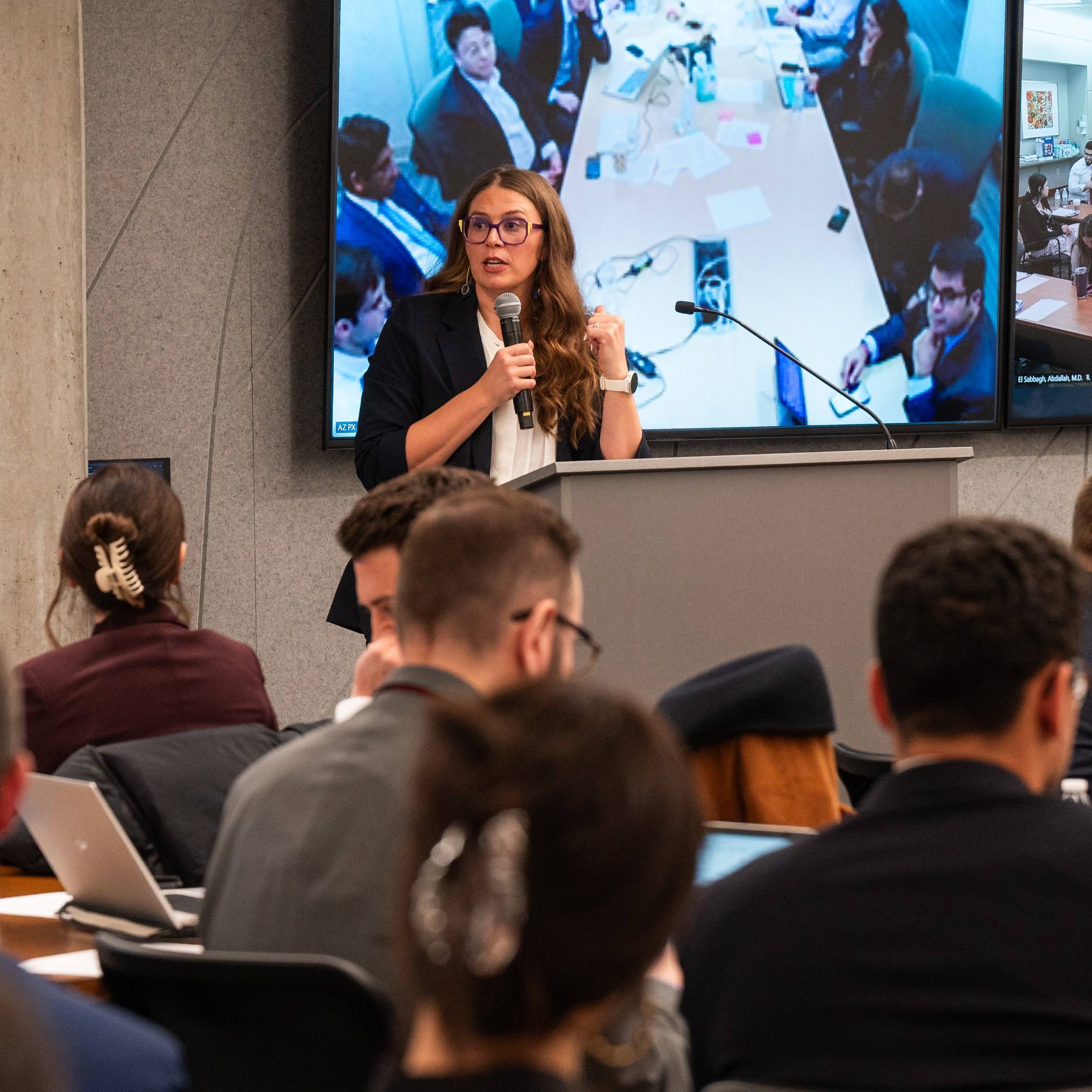
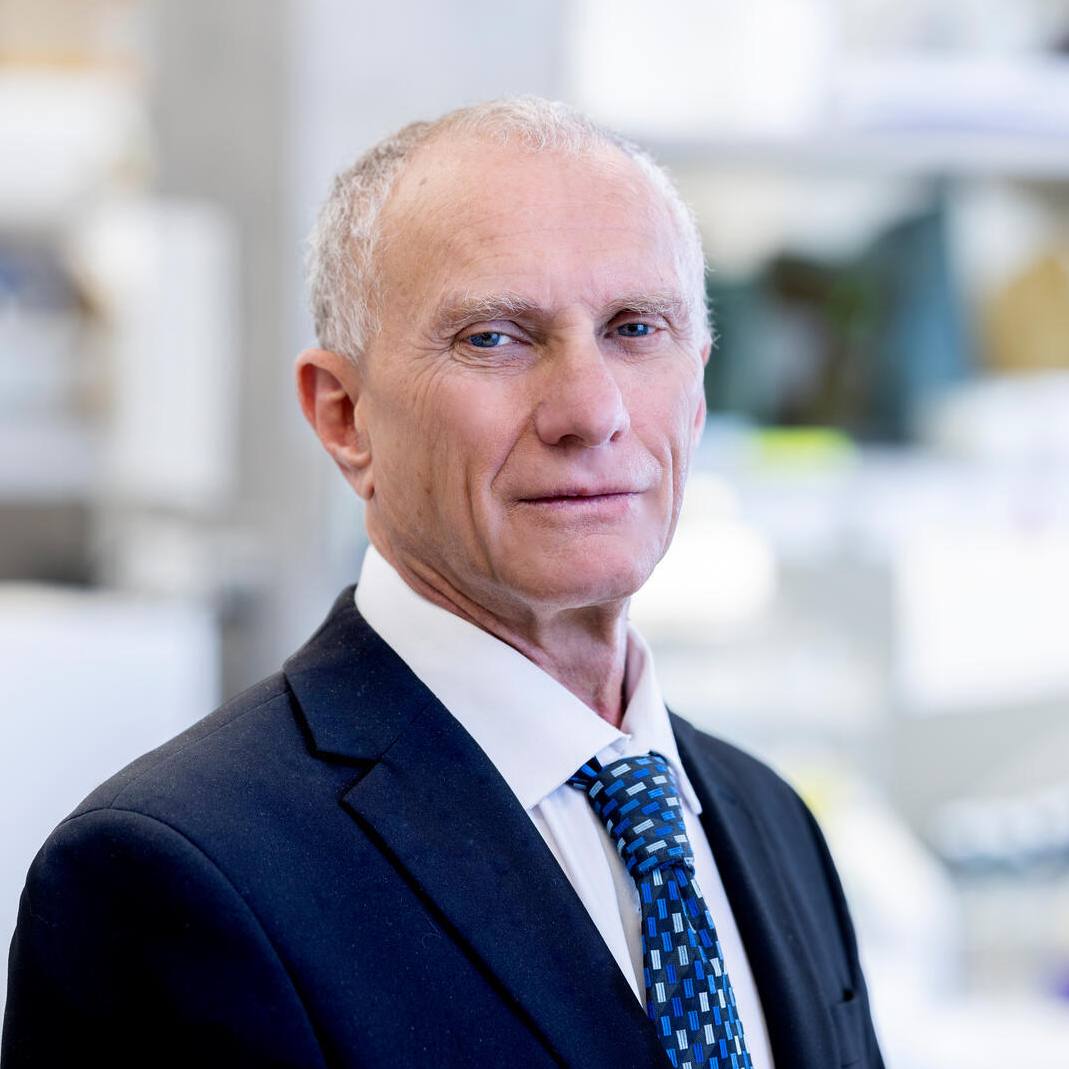
This episode of "Tomorrow's Cure" explores the dramatic changes happening in pediatric care thanks to whole genome sequencing. Hear from Whitney Thompson, M.D., assistant professor of medical genetics and pediatrics at Mayo Clinic, Stephen Kingsmore, M.D. president and CEO of Rady Children's Institute for Genomic Medicine, and Sean George, CEO of Inflection Medicine, as they discuss the life-changing feeling of identifying rare genetic diseases and giving patients a precise diagnosis.
In the recent past, a step-by-step approach once meant going through one genetic test and getting no answer, then another. This model was how testing started. Dr. Thompson explains the significant changes in practice in the neonatal intensive care unit (NICU) in the last five years.
"We send what we call "rapid whole genome sequencing," one comprehensive rapid test that can look at ... all the genes that we know currently to cause disease and hopefully find an answer for families," she says.
The Human Genome project has helped change the standard of care. Dr. Thompson says questioning if there's a genetic disease at play becomes the first lens of treatment, a new paradigm in the NICU. With this mindset, physicians can order a rapid genome test to get instant answers.
This episode also explores how AI has helped researchers continue to read and understand the genomic map. As researchers find success in genomic treatments and testing, the next step is finding ways to scale these solutions. Currently, cases are treated on an individual basis as custom therapies are developed.
The trio also discusses how these projects aren't restricted to babies. All humans have their genome throughout their entire lives, and new insights can appear at every stage of life. As teams begin to prove the cost-effectiveness of a rapid genome test over other "diagnostic odysseys," policy is starting to follow. The team discusses how California and other states are applying this paradigm to Medicaid patients because not only do physicians get a result so much faster, but the process is more cost-effective.
The researchers talk with host Cathy Wurzer about where genomic testing and treatments are headed and what it will take to achieve these insights at scale.
Listen to the latest episode of "Tomorrow's Cure" wherever you get your podcasts. You can explore the full library of episodes and guests on the show's page.