-
Neurosciences
Mayo Clinic Minute: Treatment and research of glioblastoma (VIDEO)
Share this:





Considered the most aggressive form of primary brain cancer in adults, glioblastoma represents a striking biological paradox: One of the brain's greatest threats can arise from the very cells designed to keep it healthy.
Glioblastoma begins in glial cells, the brain's support cells. When these cells become cancerous, they can grow rapidly into surrounding tissue, damaging the healthy brain they were meant to protect.
Journalists: Broadcast-quality video (1:05) is in the downloads at the end of this post. Please courtesy: "Mayo Clinic News Network." Read the script.
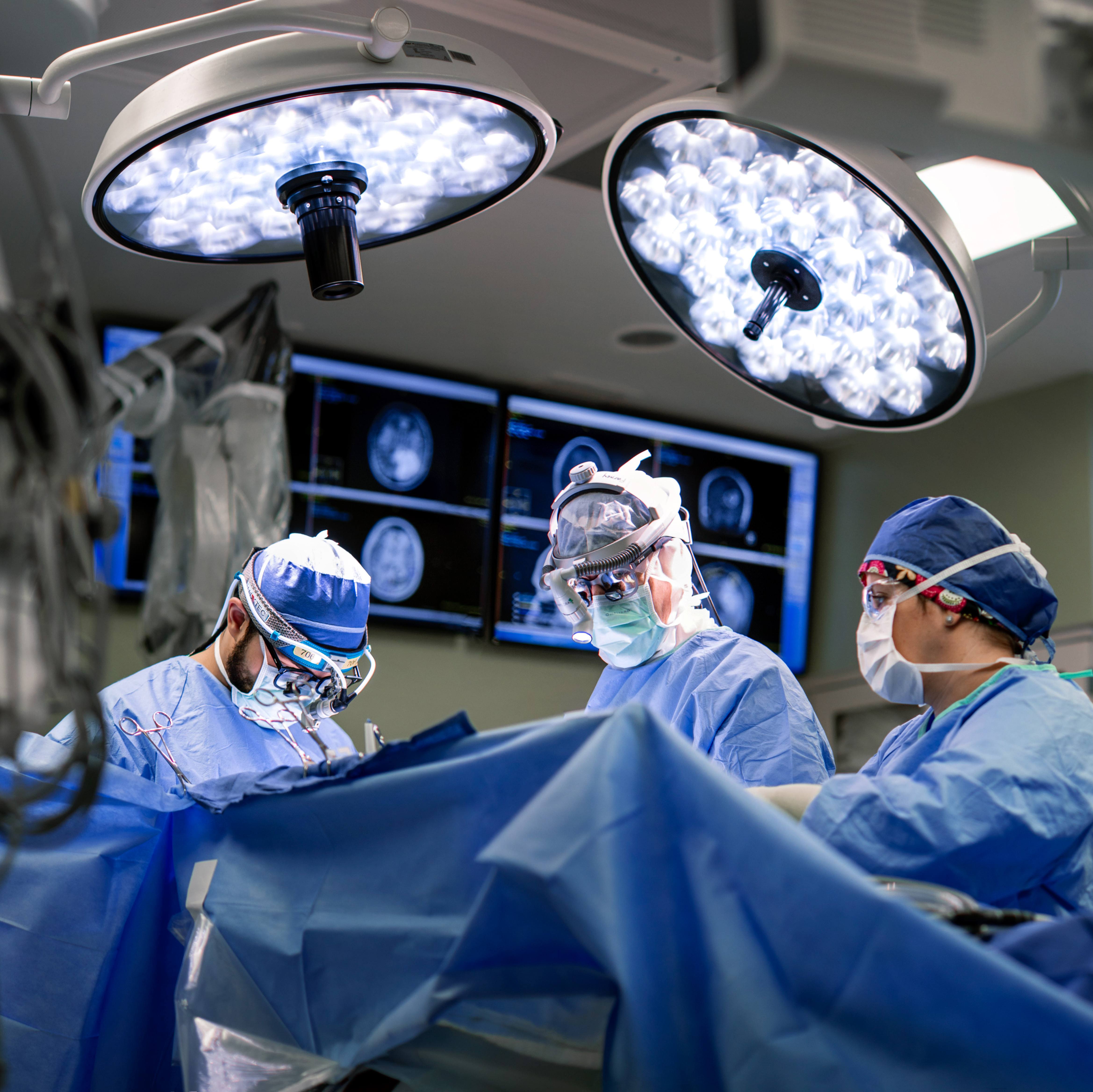
"It tends to be a tumor that also tends to grow and invade the brain," says Dr. Alfredo Quinones-Hinojosa, Mayo Clinic neurosurgeon. "Sometimes it can be slow and steady, but it tends to grow very fast."
Despite significant advances in surgery, chemotherapy, immunotherapy and radiation therapy, glioblastoma remains one of the most challenging cancers to treat. Long-term survival is uncommon.
"The median survival of patients with the best therapies tends to be between 12 and 14 months," says Dr. Quinones-Hinojosa.
Although there is no cure for glioblastoma, treatment can help slow tumor growth, manage symptoms and maintain quality of life. Ongoing research continues to advance understanding of the disease and create new possibilities for patients.
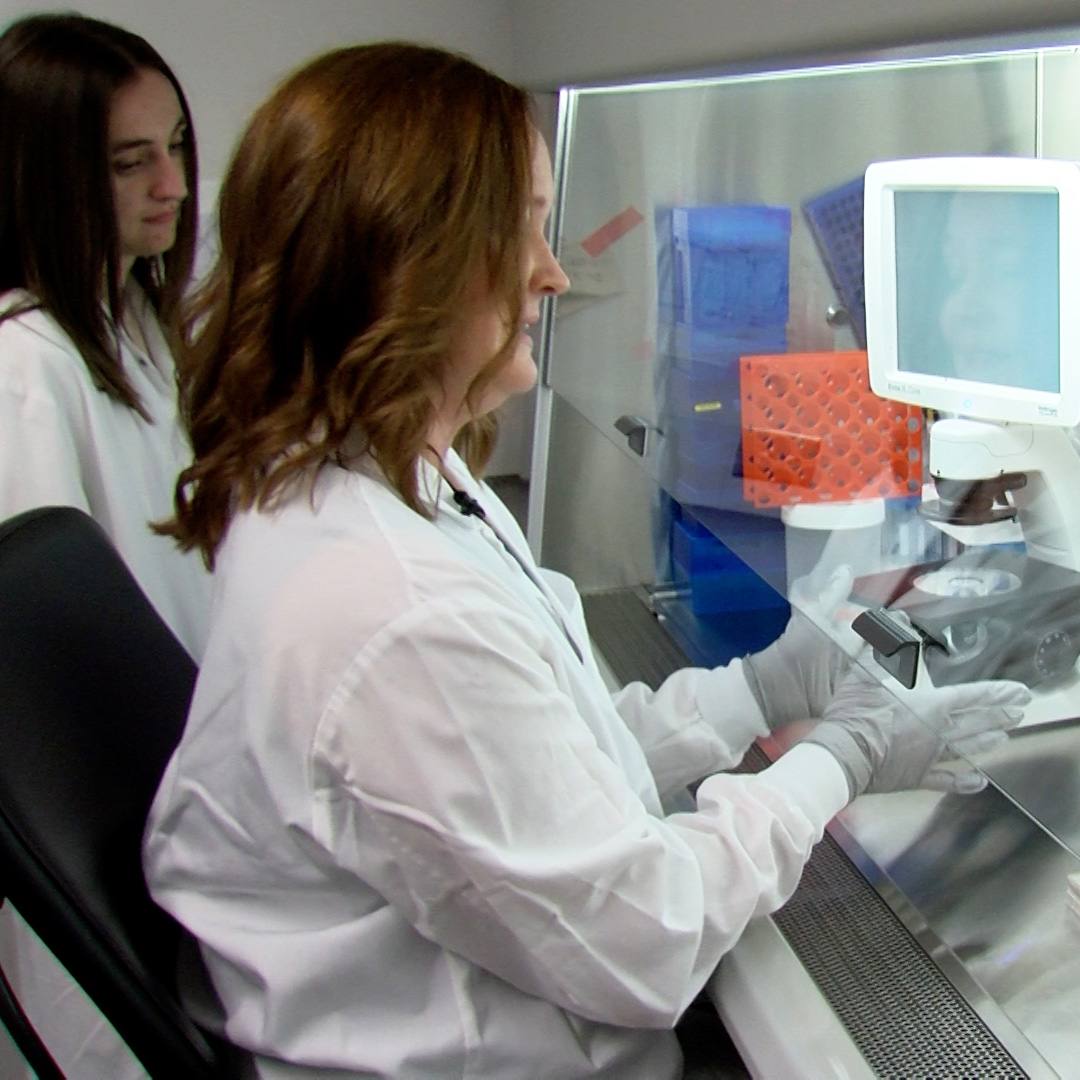
"Research is crucial to finding hope and healing in every corner of our operating room, in every corner of our laboratory," says Dr. Quinones-Hinojosa. "We are connecting research and hope, ultimately, through our patients."