Share this:




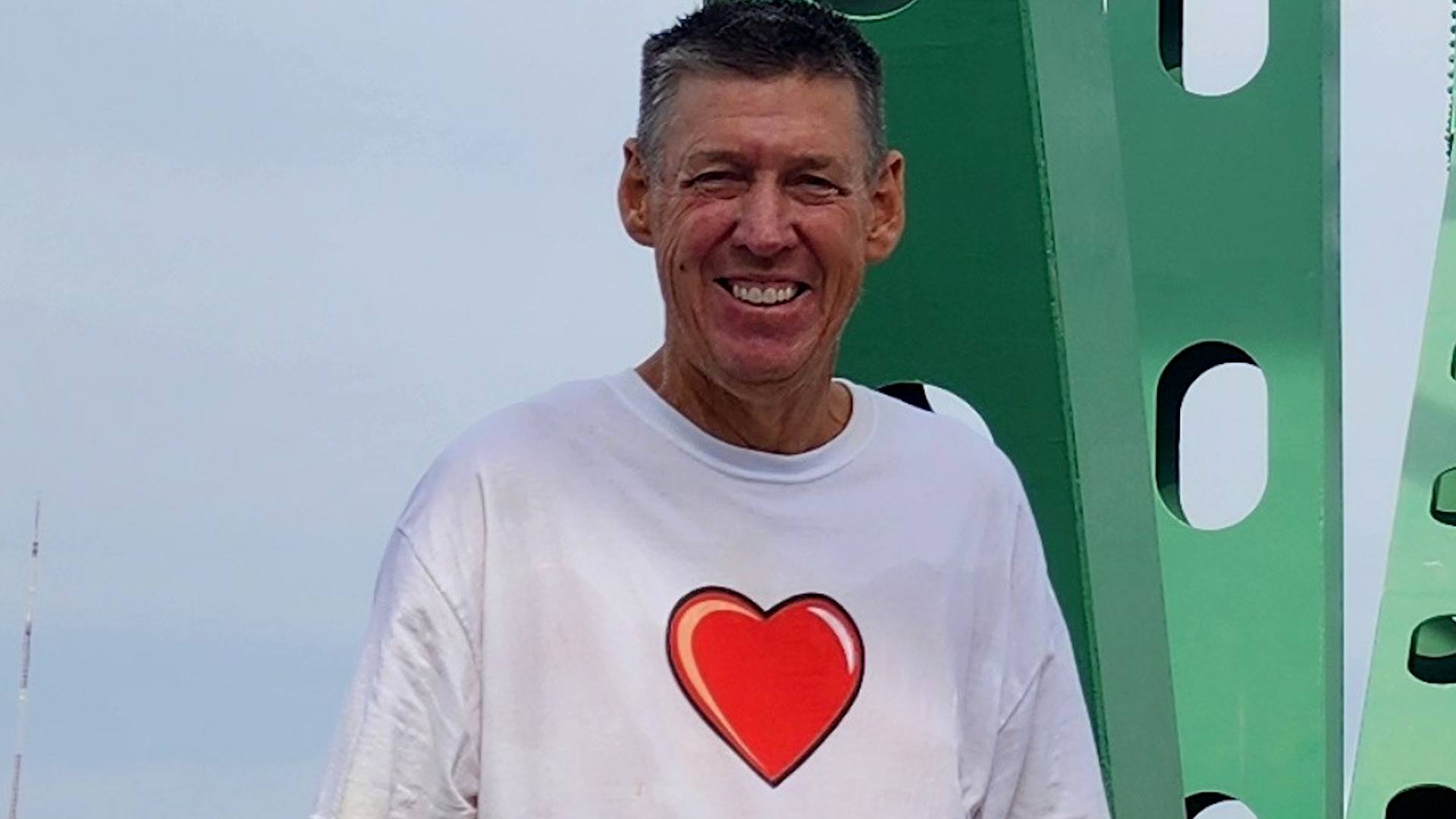
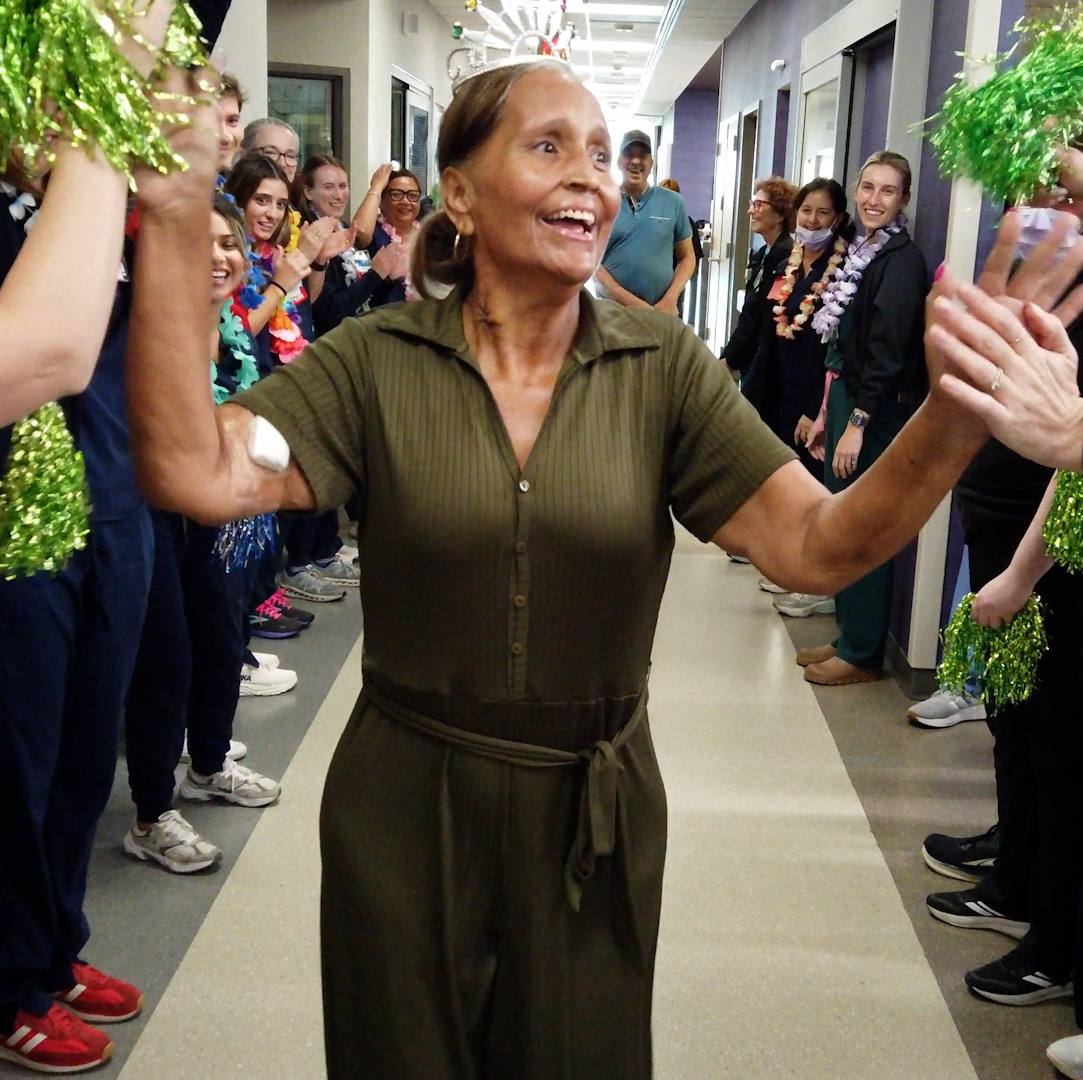
Randy McKnight makes award-winning barbecue, runs marathons and owns a small business. He puts his heart into everything he does — just not the heart he had when he was born.
Randy was among the first 10 heart transplant recipients at Mayo Clinic in Florida, a program that is now marking its 25th anniversary.
Watch: 'Live for today': Looking at life nearly 25 years after a heart transplant
Journalists: Broadcast-quality video pkg (2:14) is in the downloads at the end of the post. Please courtesy: "Mayo Clinic News Network." Read the script.
"It was in the summer of 1998," Randy says. "We were having a lot of fires in Jacksonville along I-95, and (I was) having a hard time breathing."
Randy was 35 years old when his care team in Jacksonville, Florida, discovered he had an enlarged heart.
"I was in full-blown heart failure with fluid in my lungs," Randy says. "(My doctor) basically said, 'You need a heart transplant.' I couldn't believe it."
Randy was placed on the transplant list in Rochester, Minnesota, and spent almost three years traveling back and forth for appointments, waiting for a heart.
"My son must have been 8 or 9, and I knew that I had to survive to help raise him and support him," Randy says.
Then, in 2001, Mayo Clinic started a heart transplant program in Jacksonville, which gave Randy a chance to be closer to home.
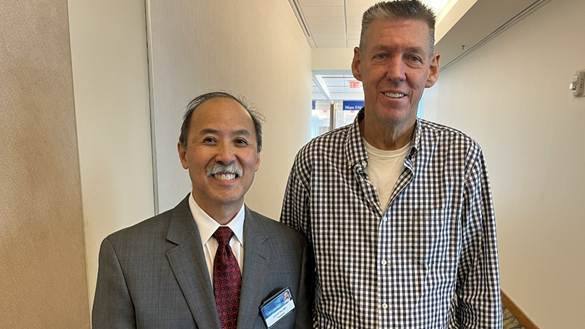
"I met Dr. Yip when the program first started, and from day one, he and I have connected," Randy says. "I've always felt like I've had a personal connection with the team here, and it just made the whole process so much easier."
After listing and waiting several more months, the day finally came.
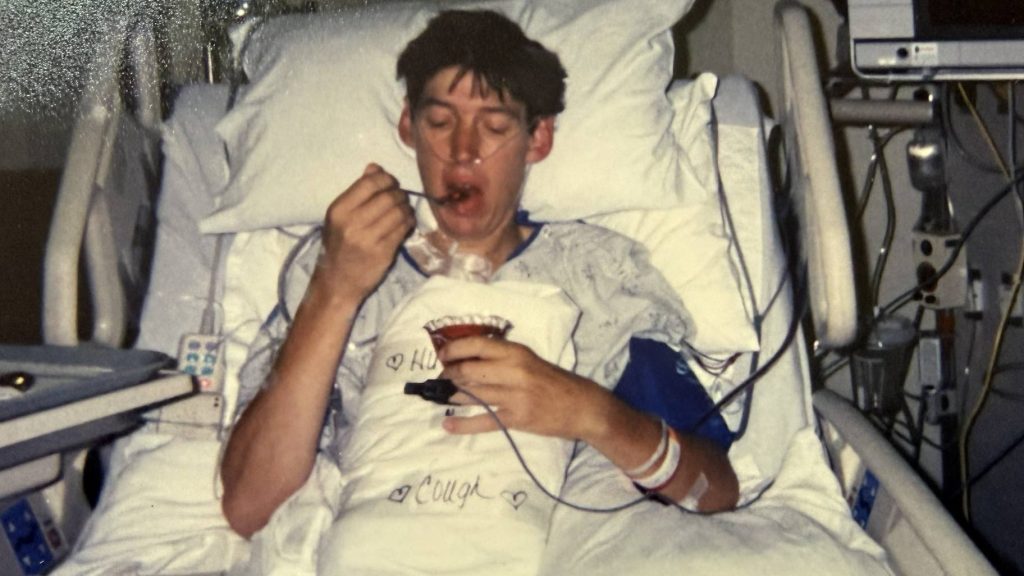
"I had my heart transplant on May 27, 2002," Randy says.
"You have someone who is literally on death's doorstep to be able to live a full, healthy life, back to things that they want to do, going back to work, raising their children, going to graduations, going to weddings, raising their grandchildren. That is satisfying," says Dr. Daniel Yip, a Mayo Clinic cardiologist who helped start the heart transplant program in Florida.
Over the last quarter century, Dr. Yip has seen progress in heart transplantation — from advances in medications to new options for patients with the greatest need.
"Being able to expand the donor pool using organs that, in the past, we would say maybe we shouldn't think about using them, but knowing with time, with research, with innovation, with technology, to be able to use these organs," Dr. Yip says. "And now we're able to go a lot farther, even across the country, to be able to get the right heart for a patient. I think that's the biggest thing — to be able to serve patients who need our help."
According to the United Network for Organ Sharing (UNOS), nearly 4,000 people in the U.S. are waiting for a heart transplant.
Randy is grateful for the years he's been given, and he's made it his mission to help others.
"My quality of life before transplant — being sick, being limited — was really hard because I'm go, go all the time," Randy says. "Just learn to live each day for today, live every day for today and appreciate life."
Related Articles