-
Beyond the Breakthrough
From metals and chemicals to pollution and beyond: Mayo Clinic scientists take on medicine’s next revolution — the exposome
Share this:





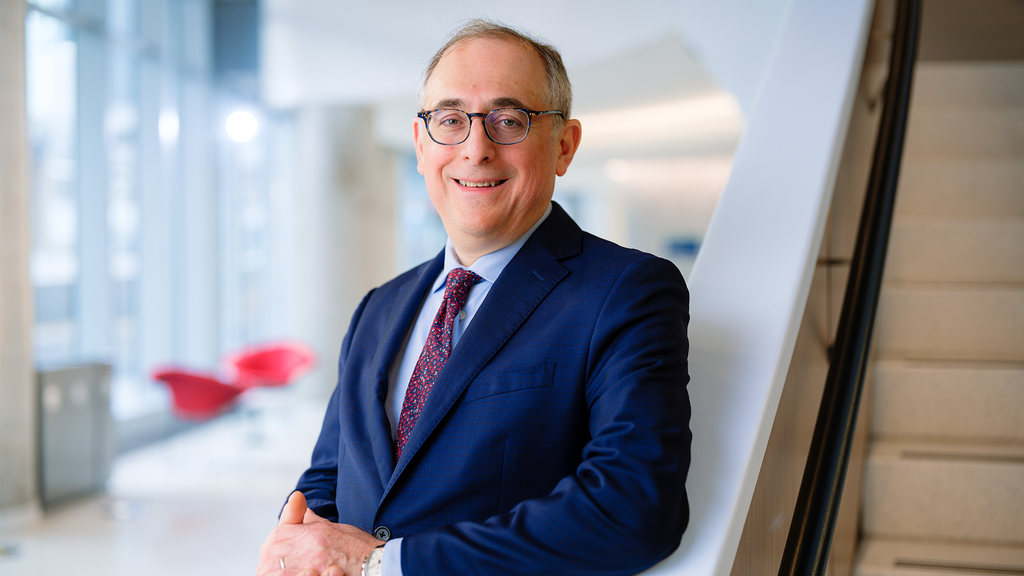
Standing in a laboratory amid technologies capable of probing human biology at extraordinary scale and depth, Konstantinos Lazaridis, M.D., is leading Mayo Clinic's effort to understand the exposome — the totality of environmental exposures that can influence human health.
The exposome is, in many ways, a record of a life lived — the air someone breathes, the food and water they consume, the environments they inhabit, and countless other influences that can leave a biological imprint and interact with a person's genes.
Dr. Lazaridis and his colleagues are calling for exposome research to match the scope and rigor of the Human Genome Project. He and his colleagues lay out what that will take in a new Mayo Clinic Proceedings special article, "The Exposome and Its Impact on Health and Disease."
"Genomics changed medicine by giving us the first complete picture of our DNA sequence and revealing the genetic roots of disease," says Dr. Lazaridis, the Carlson and Nelson Endowed Executive Director of Mayo Clinic's Center for Individualized Medicine. "I believe we are entering another moment of that magnitude."
Watch: Dr. Konstantinos Lazaridis discusses the exposome:
Videography by Kevin Sullivan, Mayo Clinic
Journalists: Broadcast-quality video (2:53) is in the downloads at the end of this post. Please courtesy: "Mayo Clinic News Network." Read the script.
Understanding the exposome
Scientists now have new tools to measure the exposome. Advances in molecular science, wearable devices, geolocation records and artificial intelligence are making it possible to study environmental exposures at a scale that was not previously possible.
The exposome includes chemicals in air, water and food, pesticides, heavy metals, microplastics, diet, traffic noise, nighttime light pollution, and more. Dr. Lazaridis and his colleagues point to studies linking lead exposure with fatty liver disease, traffic noise with atrial fibrillation, air pollution with declining kidney function and nighttime light pollution with Alzheimer's disease.
The exposome also includes social factors such as isolation, loneliness, social support and neighborhood connections. Not all exposures are harmful. Potentially beneficial exposures include physical activity, restorative sleep, green space, a healthy diet, vitamins, micronutrients and compounds found in tea and coffee.
"Disease doesn't happen in a vacuum," Dr. Lazaridis says. "We are born with our genome, but we also live in an environment that affects how we develop, how we age and what diseases we may face."
The challenge is that exposures rarely occur one at a time. Their effects can combine and accumulate over decades, while some exposures are difficult to capture at all. Certain chemicals leave the body quickly and may no longer be detectable even after triggering a biological response.
How Precure Research will study environmental exposures

Mayo Clinic is building the infrastructure to study the exposome through Precure Research, which Dr. Lazaridis directs. The initiative aims to detect the earliest shifts in disease biology — long before symptoms appear — when intervention may still be possible. Its initial focus spans the brain, heart, kidneys, liver and lungs, where researchers are looking for shared biological themes, including inflammation, aging and environmental influences.
Researchers will measure exposures in blood and urine and track how the body responds. Combined with clinical and genomic information, the research could generate billions or trillions of data points, with artificial intelligence helping researchers find patterns across large populations. That scale brings an equally large responsibility, Dr. Lazaridis says, and the research is being conducted with safeguards to protect privacy and ensure scientific rigor.
Heavy metals such as arsenic and lead will be among the first exposures the team studies, including the effects of long-term exposure at moderate levels. One question is whether lower levels of lead exposure may play a role in fatty liver disease.
Researchers will analyze blood, urine, stool and saliva, expanding the work to pesticides, xenobiotics, and other environmental chemicals. As measurement methods advance, the team also plans to study microplastics and nanoplastics.
Geolocation data will help researchers compare environmental conditions where people live with exposures over time measured in the body.
"If you live close to a major highway compared with a farm, you probably have different exposures," Dr. Lazaridis says. "We want to see whether the exposures we measure in the body match what we know about the surrounding environment."
How environmental exposures may affect treatment
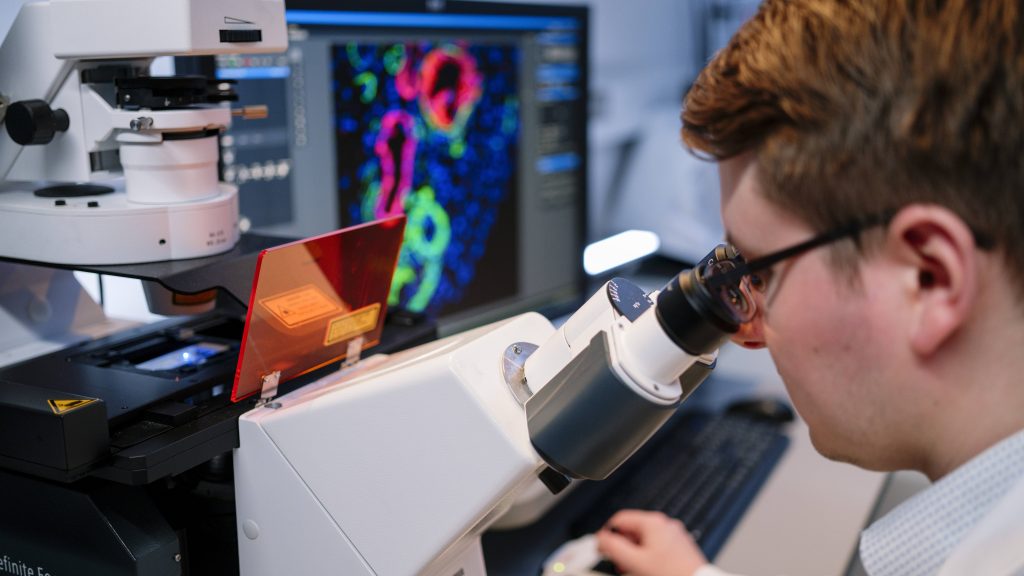
Mayo Clinic researchers are also applying exposome science to another fundamental question: Why can the same medication affect people differently? Mayo Clinic is part of a federally funded, seven-institution project studying how environmental exposures may affect the impact of diabetes medications.
Researchers are measuring exposures in blood to determine whether they influence genes and proteins involved in drug metabolism. The goal is to understand why diabetes medications work differently for different people in ways that genetics alone may not explain.
Unlike inherited DNA that cannot be altered, some environmental risks may be reduced or avoided. If researchers can identify exposures that contribute to disease and detect their effects early, clinicians may have a chance to act before disease develops or damage becomes irreversible. "I can see the day when we meet with patients and talk about exposures in a very specific way — which ones may be affecting their health and where there may be an opportunity to intervene," Dr. Lazaridis says.
A front-row seat to two scientific revolutions
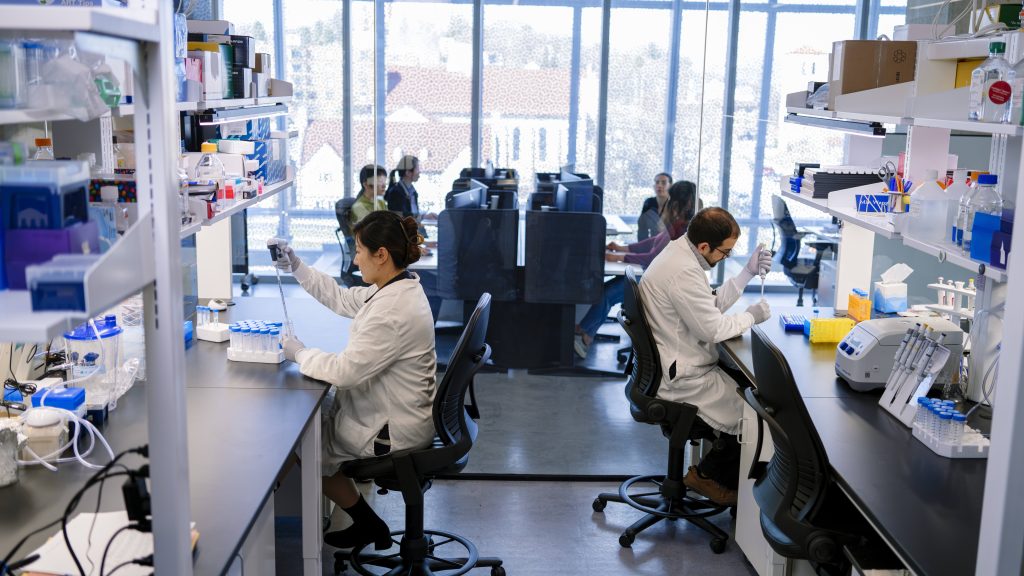
Inside the laboratory, Dr. Lazaridis describes how exposome research could move from scientific discovery toward patient care: start with a sample, find a signal, uncover the mechanism and determine whether it can make a clinical difference.
Earlier in his career, Dr. Lazaridis worked in genomics at the National Institutes of Health as the Human Genome Project was underway. He had a firsthand view of a scientific revolution that opened an extraordinary new window into human disease.
Now, with the exposome, he is helping Mayo Clinic push open another.
The bigger picture
The work aligns with Mayo Clinic’s Precure Research, which focuses on identifying disease risk earlier and creating opportunities to intervene sooner. For exposome research, that means understanding how environmental exposures influence disease biology and finding ways to detect those effects before disease develops. Visit mayo.edu/research/precure for more information.
The Beyond the Breakthrough special series goes inside Mayo Clinic research to meet the people advancing medicine and cures for patients.
For more stories like this, visit Beyond the Breakthrough.