Share this:






Precision medicine is rapidly transforming modern healthcare. It's a personalized approach that tailors prevention and treatment to each individual — moving beyond the traditional one-size-fits-all model.
Colorectal cancer is one area where precision medicine is reshaping the standard of care for patients like Eric Minnesota.
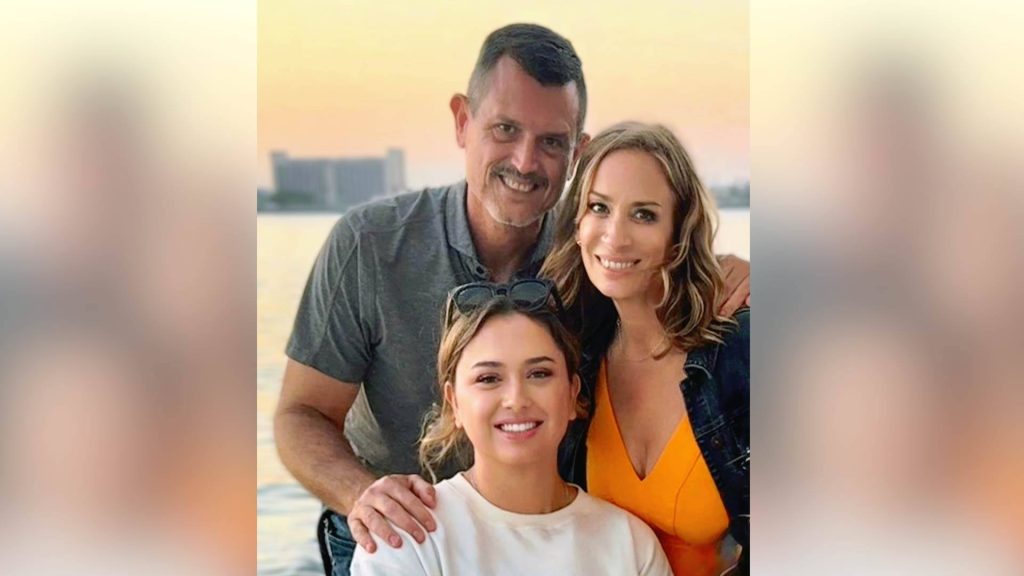
At 56, Eric was training for an Ironman triathlon when he got a devastating diagnosis — stage 3 colorectal cancer.
Eric is sharing his inspiring story to raise awareness for National Colorectal Cancer Awareness Month.
Watch: Transforming colon cancer care through precision medicine
Journalists: Broadcast-quality video (3:10) is in the downloads at the end of this post. Please courtesy: "Mayo Clinic" – Read the script.
Man on a mission
Eric has been an athlete his whole life. He's a soft-spoken man with a gentle demeanor and a never-give-up attitude that defines everything he does. "I've competitively raced mountain bikes for the last 20 years," says Eric. "I'm an outdoors person...hiking, fishing, camping, anything outdoors is what I really enjoy."
Eric's dream has long been to compete in an Ironman triathlon, one of the toughest endurance events in the world. Competitors must complete a 2.4-mile swim, a 112-mile bike ride, and a 26.2-mile run. That's 140.6 miles in one day.
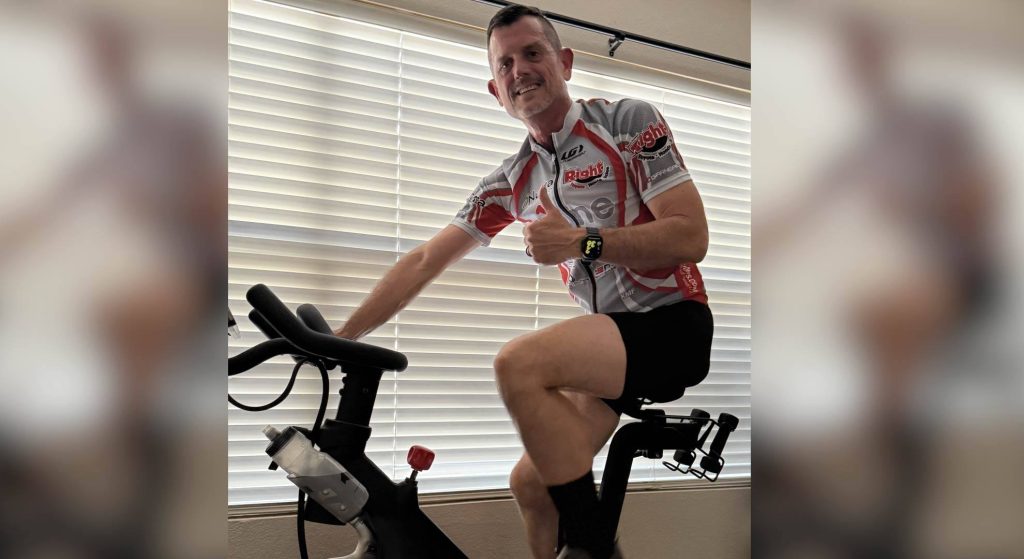
"From a health point of view, I thought I was nearly at the top of my game based on my age," says the Arizona man. "I've been healthy my whole life — no surgeries, no broken bones...I've never taken a sick day from work in my 25-year career."
Toughest challenge yet
Eric was in the midst of training for Ironman Arizona. All was going as planned. Then one day, Eric began having stomach pain. He went to his doctor who delivered a diagnosis Eric never expected.
"He discovered a significant mass. He relayed to me that I should see a colorectal surgeon as soon as possible to have it evaluated and find out what the next steps should be," recalls Eric. Soon after, Eric got his official diagnosis — stage 3 colorectal cancer.
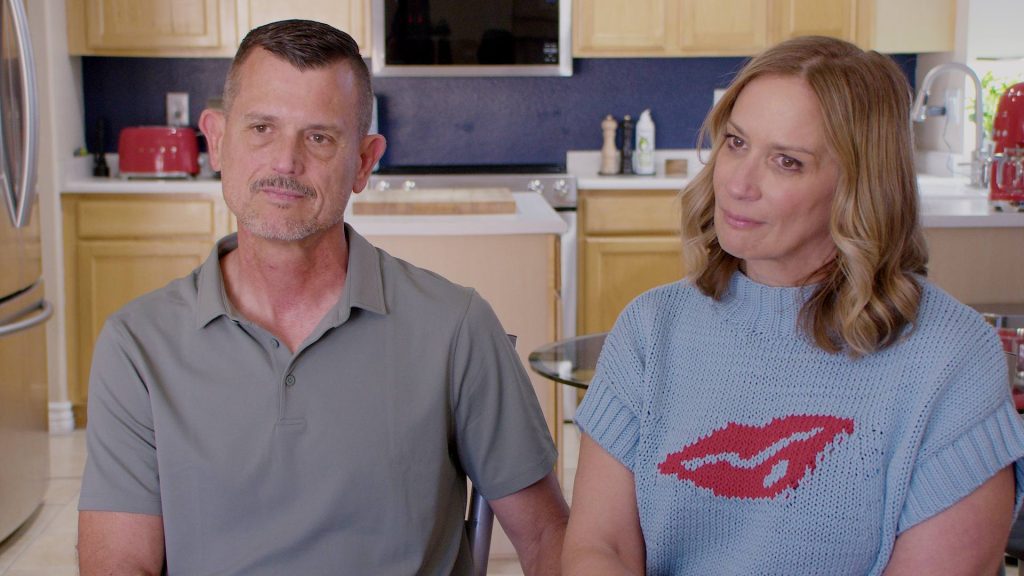
"The plan was to remove my colon and replace it with an ostomy," says Eric. An ostomy is a surgically created opening in the abdomen that allows waste to exit the body into a bag. It may be needed after colon surgery so the body can eliminate waste.
In preparation for surgery, Eric and his wife, Paula, turned to Mayo Clinic in Arizona. "The doctor at Mayo said a team of specialists would convene as a group to review my case. Mayo was quicker than I ever imagined. The following week they called me to discuss my treatment plan," says Eric.
Hope through innovation
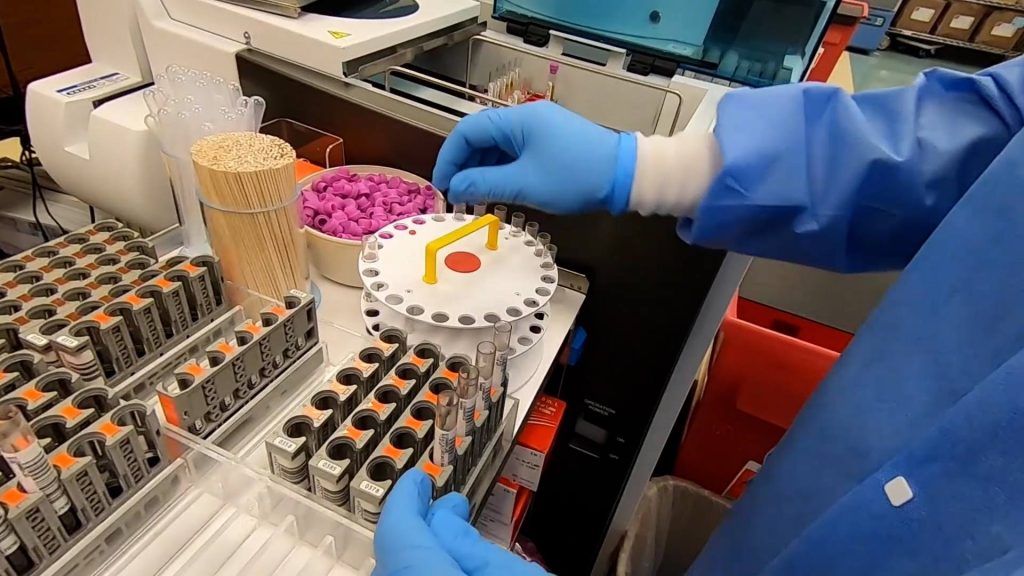
Mayo Clinic's treatment plan included more than surgery as an option. The team explained that by using precision medicine, they were able to determine Eric was a candidate for a nonsurgical approach to treatment called immunotherapy.
"By performing genomic sequencing on the patient's blood and the tumor, we were able to identify a precision treatment approach, including immune therapies, that can sometimes allow a patient to avoid the need for complex and life-altering surgeries," says Dr. Jewel Samadder, a gastroenterologist and cancer geneticist with Mayo Clinic's Early Onset and Hereditary Gastrointestinal Cancers Program.
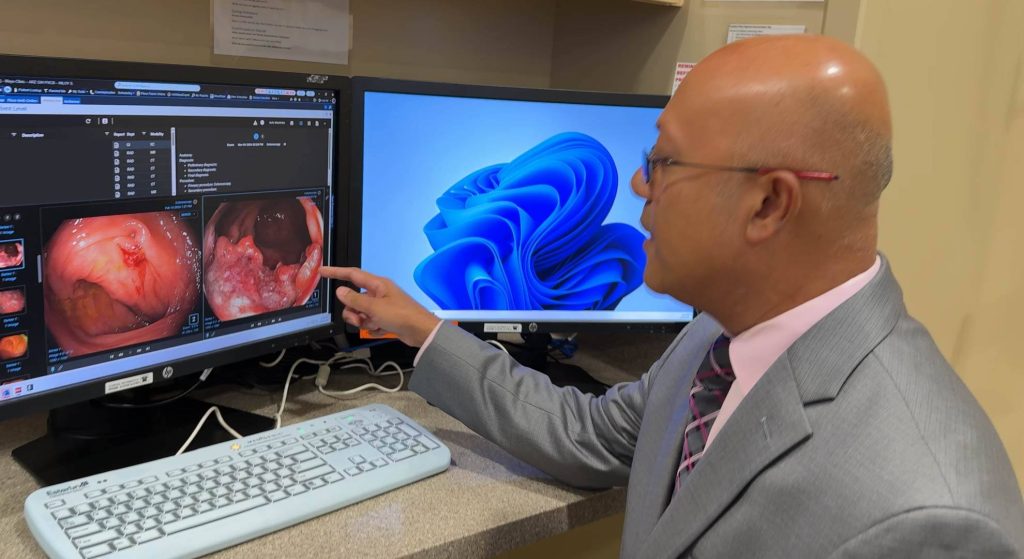
Immunotherapy works by using the body's own immune system to fight the cancer. The nonsurgical treatment is delivered in a series of treatments by IV infusion. "The treatment is surprisingly easy. To be truthful I feel guilty based on the type of treatment that I had for my cancer versus what other individuals go through. It's just a simple infusion that takes less than an hour start to finish," explains Eric.
Crossing the finish line
Eric crossed the finish line of his immunotherapy treatment in six months. The results were a success. A colonoscopy following treatment showed the cancer was gone. "I won the lottery," says Eric. "The stars aligned with my markers and the care team had the expertise. It was incredible. It was all a perfect fit."
"This is a perfect example of why patients come to Mayo Clinic and see multiple physicians in our multidisciplinary cancer clinics and our early-onset program so that we can understand the cause of their cancer, determine the best treatment approaches, including clinical trials, and sometimes avoid complicated life-altering surgeries when possible, as in this patient's case," says Dr. Samadder.
"As soon as we heard about immunotherapy, we had to try it. This aligned with his goals. I'm just over the moon," says Paula.
Eric was able to keep working and training throughout his treatment. He says his only side effect was mild fatigue. "We spent a lot of time together as a family. Just being able to maintain that quality of life through the treatment was irreplaceable. You just can't put a price on that," says Eric.
"We are so grateful to everyone at Mayo Clinic, especially our oncologist Dr. Christina Wu," says Paula. "I would be lost without her. Thanks to Dr. Wu, I have my husband here with me today."
Celebrating life and love
Eric is back to working on his dream of one day becoming an Ironman triathlete. "Giving up is never an option," says Eric. "You have to turn on the switch, and keep going."
As Eric and Paula celebrate life, they are also celebrating their love. "We just had our 32nd wedding anniversary. These moments, these struggles together, it all has just made us stronger." says Eric. "I'm grateful for Mayo, for everything. I came out a better person."
Related stories:
- Eric and Paula Minnesota with a special message to Mayo Clinic
- Mayo Clinic Minute: Inside a colonoscopy
- Mayo Clinic Minute: Warning signs of colorectal cancer in younger adults